
Learn how to grow Calathea Orbifolia in small gardens. Discover tips on light, watering, soil, propagation, and keeping your plant thriving in compact spaces.
Calathea orbifolia is a tropical showstopper that’s perfect for small gardens, balconies, or indoor corners. Its round, silver-striped leaves make a bold statement, but growing it in limited space requires some planning. This guide focuses on helping your orbifolia calathea thrive without needing a sprawling garden.
Why Calathea Orbifolia Works in Small Gardens
Calathea orbifolia (Geoppertia orbifolia) comes from tropical South America. Its compact growth habit, with leaves reaching up to 3 feet tall and 2 feet wide, makes it manageable in tight spaces. In small gardens, a single plant can create a lush tropical vibe without overcrowding the area.
This plant is ideal for:
- Indoor shelves or corners
- Small patios and balconies
- Vertical planters or stacked arrangements
Unlike sprawling shrubs, orbifolia calathea makes a big impression without taking up much space, giving your small garden a tropical touch.
Light and Placement
Calathea orbifolia thrives in medium to bright indirect light. Too much direct sunlight can scorch the leaves, while too little light can dull the beautiful silver-green patterns.

For small gardens, consider placement carefully. East-facing windows or bright corners are ideal, and sheer curtains can diffuse harsh sun. Rotate the plant monthly to ensure balanced growth. For balconies, consider using lattice screens to filter direct sunlight. This careful placement allows your plant to thrive without overpowering your compact space.
Watering and Humidity
Calathea orbifolia prefers evenly moist soil and high humidity, which can be tricky in small garden setups where air circulation or indoor heating may dry out the area.
Water when the top 1–2 inches of soil feel dry, and always use a pot with drainage holes to prevent waterlogging. Bottom watering is effective because it ensures moisture reaches the roots without overwatering the surface. Tap water can harm the leaves due to minerals, so distilled, filtered, or rainwater is best.
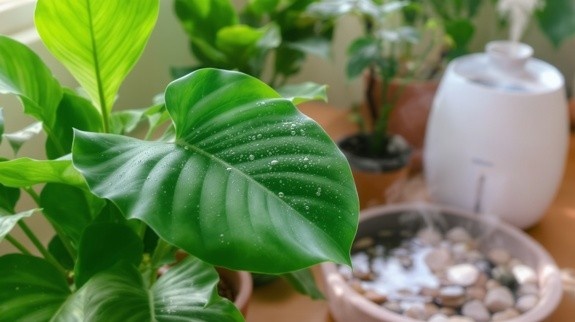
Humidity is key. In small gardens, create a mini tropical environment by grouping plants, using pebble trays, or lightly misting the leaves. Even a small room humidifier can make a huge difference in keeping your Calathea healthy.
Soil and Container Choice
Calathea orbifolia grows best in a loose, airy, and well-draining soil mix that retains moisture without becoming waterlogged. A blend of peat moss or coconut coir, perlite, and vermiculite works exceptionally well, as it allows roots to breathe while still holding enough moisture to keep the plant happy. Adding a small amount of compost or worm castings can also provide gentle nutrients to support steady growth.
For small gardens, choosing the right container is just as important as the soil. Select a pot that is only slightly larger than the root ball, as oversized containers can hold excess water and lead to root rot. Lightweight pots made of plastic or resin are ideal because they are easy to move when adjusting light or humidity levels.
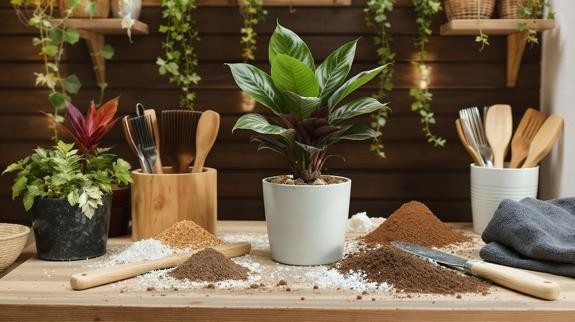
To save space, consider vertical planters, stacked containers, or decorative shelves that allow you to grow upward instead of outward. Always make sure the pot has proper drainage holes, as this is essential for maintaining healthy roots. With the right soil and container choice, your Calathea orbifolia will stay compact, lush, and visually striking, making it a perfect addition to any small garden.
Fertilizer and Seasonal Care
During spring and summer, when Calathea orbifolia is actively growing, applying a balanced, water-soluble fertilizer at half strength once a month is sufficient to support healthy leaf development and vibrant color. Because this plant is sensitive to excess salts, overfertilizing can easily burn the leaves, especially when it’s grown in small pots where nutrients build up quickly.
Always water the soil lightly before fertilizing to reduce the risk of root damage. As fall and winter arrive, growth naturally slows, so feeding should be reduced or stopped altogether to prevent stress on the plant. In addition to adjusting fertilizer, seasonal care should include slightly less frequent watering.
This balanced approach ensures your Calathea orbifolia stays lush, healthy, and well-proportioned in compact spaces, without the nutrient overload that can sometimes occur in small garden or container setups.
Pruning and Leaf Maintenance
Pruning keeps your plant tidy and compact. Remove yellow or damaged leaves to redirect energy to healthy growth, and trim leaves that grow too wide for your small garden.
Cleaning leaves gently with a damp cloth removes dust and helps the plant photosynthesize efficiently, which is especially important in indoor gardens or balcony setups. Regular maintenance ensures your Calathea orbifolia remains a striking focal point in your limited space.
Propagation and Growth Tips
Calathea orbifolia can be propagated through root division, making it a great choice if you want to expand your small garden with more plants. To propagate, separate a healthy tuber with at least one leaf from a mature plant, then plant it in moist, well-draining soil and keep it in a humid environment until new growth appears.
Calatheas can indeed be propagated this way, and maintaining consistent moisture and high humidity is key until new leaves emerge. When fully grown, Calathea orbifolia can reach up to 3 feet tall and about 2 feet wide, but with careful pruning and the right container size, it remains suitable for small gardens. For best results, propagate in late spring or summer and place new divisions near other plants to help maintain natural humidity.
Common Problems and Solutions
Even in small gardens, Calathea orbifolia can experience issues:
- Brown tips: Usually caused by low humidity or mineral-rich tap water.
- Leaf curl: Indicates inconsistent watering or dry air.
- Drooping leaves: Often from underwatering or insufficient humidity.
- Pests: Spider mites and aphids can appear, particularly if airflow is limited.
Ensuring proper spacing and airflow is especially important in compact setups to prevent fungal infections and pest infestations.
Small Garden Design Tips
- Place the plant on a corner shelf, plant stand, or balcony ledge to make it a statement piece.
- Use tiered or vertical planters to save floor space.
- Pair with small shrubs or tropical plants for texture and depth.
- Rotate or reposition seasonally to optimize light and aesthetics.
These simple design tips help your small garden feel lush and tropical, making the most of your limited space.
Summary
Caring for Calathea orbifolia in a small garden is all about creating a tropical environment in a limited space. Water the plant when the top inch of soil is dry, but avoid letting it sit in standing water, as soggy roots can quickly lead to rot. Place it in medium indirect light and rotate it monthly to ensure balanced, even growth.
High humidity is crucial, so consider using pebble trays, light misting, or grouping the plant with other greenery to maintain the moisture it needs. Fertilize during the active growing season at half strength to provide essential nutrients without burning the delicate leaves. Regularly prune damaged or overly large leaves to keep the plant compact and healthy.
Use a loose, well-draining soil mix in a pot that accommodates the root ball comfortably, and consider lightweight or vertical containers for small garden spaces. Following these steps consistently will allow your Calathea orbifolia to flourish in a compact setting, showcasing its dramatic silver-striped leaves while remaining manageable and low-maintenance relative to its tropical beauty. Seasonal calathea plant care should include slightly less frequent watering, maintaining steady humidity, and keeping the plant away from cold drafts or heat sources.
FAQs
How do I care for a Calathea plant?
To care for a Calathea, ensure it receives medium indirect light, consistently moist but well-draining soil, and high humidity. Regular pruning of damaged leaves and light fertilization during the growing season help maintain lush, healthy foliage.
Can you propagate Calathea?
Yes, Calathea orbifolia can be propagated through root division. Separate a healthy tuber with at least one leaf from the mother plant, plant it in moist, well-draining soil, and maintain humidity until new growth appears. This method works well even in small garden spaces.
How big does Calathea get?
Calathea orbifolia can grow up to 3 feet tall and 2 feet wide. With proper pruning, container choice, and care, it remains manageable and ideal for small gardens, balconies, or indoor corners without overwhelming the space.
How much light does a Calathea Orbifolia need?
It thrives in medium indirect light. Direct sunlight can scorch its leaves and fade its striking patterns, while too little light will reduce the vibrancy of its foliage. For small gardens, positioning near an east-facing window or a bright corner works best.
