
Discover how to start an herb garden with our expert tips, from indoor growing to small garden ideas. Learn the best herbs for your kitchen garden and creative herb garden ideas.
Imagine stepping into your backyard or glancing at your windowsill and picking fresh herbs for your dinner. The aroma, the freshness, and the satisfaction of growing your own ingredients are unbeatable. Whether you have a tiny balcony, a small backyard, or even just a sunny kitchen window, creating an herb garden can completely transform your cooking and home atmosphere.
Herb gardens aren’t just practical; they’re beautiful. The combination of greenery, textures, and scents makes even a small garden space feel lively and refreshing. And the best part? You don’t need a lot of space or experience to start one. In this guide, we’ll explore everything you need to know about starting, maintaining, and maximizing your herb garden.
What is an Herb Garden?
An herb garden is a space, indoor or outdoor, dedicated to growing herbs for culinary, medicinal, or decorative purposes. Herbs like basil, rosemary, thyme, and parsley are common staples, but the possibilities are endless.
An herb garden can take many forms: a window herb garden for apartment dwellers, a container-based setup for a patio, or a raised bed garden for those with small backyard spaces. The key is to create an environment that suits the needs of your herbs — proper soil, sunlight, and watering are essential.
Unlike ornamental plants, herbs serve a dual purpose: they add beauty and functionality. Every leaf you snip from your garden can elevate a simple dish, making cooking more enjoyable and flavorful.
How to Start an Herb Garden
Starting an herb garden is easier than you think, even in the smallest spaces. The process involves understanding your herbs, preparing a proper growing space, and caring for them consistently.
First, consider which herbs to plant. Beginners often do well with hardy varieties like basil, chives, parsley, oregano, and thyme. These herbs are forgiving, grow quickly, and offer immediate culinary benefits.
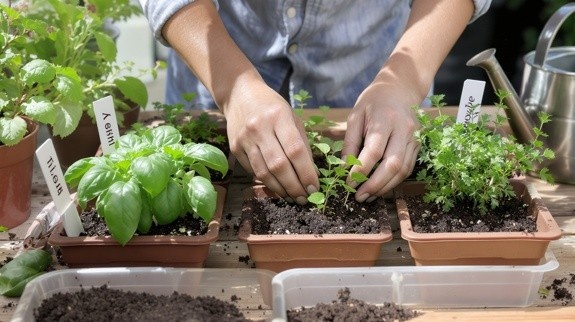
Next, think about your space. If you have a small backyard, raised beds or containers are perfect. Raised beds give excellent drainage and prevent common soil issues like compaction or waterlogging. Containers, on the other hand, are flexible. You can move them around depending on the sunlight or weather, and they are ideal for apartments or limited outdoor space.
Choosing the right soil is crucial. Herbs generally prefer well-drained soil with moderate fertility. Mixing garden soil with compost and sand or perlite creates an ideal environment. Heavy clay soils retain too much water and can harm your herbs.
Finally, plan your watering. Herbs need consistent moisture but should never sit in soggy soil. Overwatering is a common mistake, especially in containers. A good rule of thumb is to water when the top inch of soil feels dry. Self-watering pots are a great solution if you want low-maintenance care.
Herb Garden Growing Tips
Growing herbs successfully is all about understanding their individual needs. Here are some helpful tips:
Light is critical. Most herbs need at least 4-6 hours of sunlight per day. For indoor herbs, a bright windowsill or a grow light can replicate these conditions.
Space matters as well. Even in small gardens, give each plant room to spread. Herbs like basil or cilantro need space for their leaves to grow and air to circulate. Overcrowding can lead to disease and slow growth.
Pruning is essential. Regularly snip your herbs to encourage bushy, healthy growth. Herbs that flower too soon may lose some flavor, so pinching back flowers is often necessary.
Keep an eye out for pests. Aphids, spider mites, and other small bugs can affect your herb garden. Companion planting or natural deterrents like neem oil can help protect your plants.
What Herbs Can Be Planted Together?
One of the secrets to a thriving herb garden is plant compatibility. Some herbs grow well together because they share the same soil, sunlight, and water requirements, while others do not.
Good combinations include basil with oregano, chives with parsley, and thyme with rosemary. Avoid planting mint with other herbs since it spreads aggressively, and keep sage away from basil due to differing water needs. Dill and lavender also shouldn’t share a space, as lavender prefers dry soil, while dill likes more moisture.
Grouping compatible herbs ensures they thrive without competing for nutrients or water, which is especially important in small garden spaces where resources are limited.
How to Grow Herbs Indoors
Indoor herb gardening is perfect for those who lack outdoor space or want fresh herbs year-round.
Start by selecting herbs suited for indoor growth, such as mint, parsley, basil, chives, and thyme. Containers with drainage holes are essential to prevent soggy roots. A south-facing windowsill is ideal, as it provides direct sunlight for at least six hours per day.
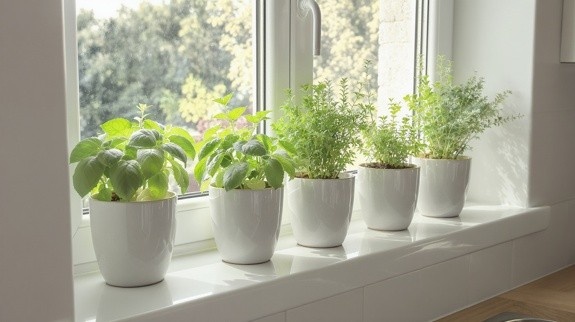
If sunlight is limited, supplement with a grow light. Herbs grown indoors still need consistent care — rotate pots weekly to ensure all sides receive light, and occasionally mist plants to maintain humidity, especially in dry indoor climates.
Indoor herb gardens are not only practical but also visually appealing. Imagine a row of green pots on your kitchen windowsill, ready for any culinary adventure.
Herbs for the Kitchen Garden
A kitchen garden is a small garden or collection of herbs positioned close to your cooking area for easy access. Some must-have herbs include basil, oregano, parsley, thyme, rosemary, chives, cilantro, and mint.
Choose herbs based on your cooking preferences. For example, if you love Italian cuisine, basil and oregano are essentials. For Mexican dishes, cilantro and chives are perfect. Keep the herbs you use most often close to your workspace. The convenience of snipping fresh herbs while cooking is unmatched.
Growing herbs in a kitchen garden is also about aesthetics. Pairing aromatic herbs with flowering plants can create a delightful sensory experience while keeping your herbs accessible.
Window Herb Garden Ideas
If space is tight, a window herb garden is a clever solution. It allows you to grow fresh herbs indoors without sacrificing counter space.
Small pots or containers lined along a sunny windowsill are perfect for herbs like rosemary, thyme, and basil. Vertical options, like tiered shelves or wall-mounted planters, can maximize your growing area without cluttering your home.

The beauty of a window garden is that it brings greenery indoors, enhances your home’s décor, and ensures you always have fresh herbs at your fingertips.
For extra charm, consider using decorative containers like vintage teacups, small crates, or ceramic pots. Herbs grown in visually appealing pots can double as décor and culinary tools.
Small Garden Layout Ideas
Even a small outdoor area can accommodate a productive herb garden if planned thoughtfully. One approach is to use a combination of containers and raised beds. Group herbs by sunlight and water needs to simplify care.
Vertical gardens are also excellent for tiny spaces. Hanging baskets, wall planters, or tiered wooden crates allow herbs to thrive while saving floor space. Cottage-style planting, which combines herbs with flowers, creates a whimsical and fragrant environment.
Paths, stones, and edging can make small gardens look more organized, even if the space is limited. You can incorporate creeping thyme or oregano as groundcovers between paving stones to add greenery and aroma to every step.
Harvesting and Using Your Herbs
One of the joys of an herb garden is harvesting fresh ingredients for your meals.
The best time to harvest is in the morning, when the essential oils are most concentrated. Regularly snip leaves to encourage new growth and prevent plants from flowering too early.
Use your herbs fresh for cooking, or dry and store them for later. Freezing herbs is another great option, especially for small gardens where seasonal changes can limit growth. Whether you’re adding mint to lemonade, basil to pasta, or thyme to roasted vegetables, fresh herbs make every dish better.
Summary
A small garden doesn’t have to mean limited results. With thoughtful planning, the right herbs, and proper care, your herb garden can thrive anywhere — on a windowsill, balcony, or tiny backyard plot.
Remember to plan your space, group compatible herbs, and care for them consistently. The joy of harvesting fresh basil for dinner, mint for drinks, or thyme for a savory roast is worth every effort. Even in a small garden, fresh herbs can elevate your meals, add beauty to your space, and give you the satisfaction of growing your own food.
By following these tips, you’ll enjoy a productive, aromatic, and beautiful herb garden all year round. Start small, nurture your plants, and watch your green thumb flourish.
FAQs
What is in an herb garden?
An herb garden includes aromatic plants like basil, thyme, rosemary, parsley, and mint, grown for culinary, medicinal, or decorative use.
What month should you start an herb garden?
Spring is ideal for most herbs after the last frost, but indoor herb gardens can be started year-round.
What plants are good for an herb garden?
Easy-to-grow herbs include basil, oregano, parsley, thyme, rosemary, chives, cilantro, and mint.
What is the meaning of a herbal garden?
An herbal garden, or herb garden, is a space dedicated to cultivating herbs for cooking, medicinal use, or fragrance.
