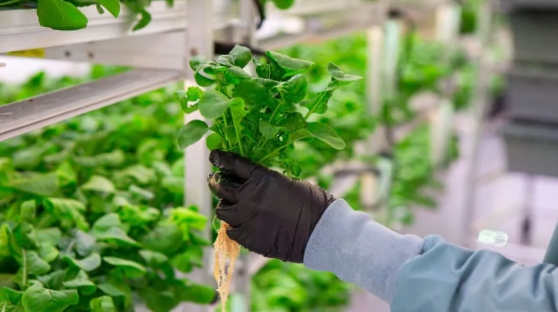
Why waste gallons of water on soil when plants can flourish with just a little water? A Hydroponic Garden enables you to grow without being worried about soil fertility. Imagine harvesting fresh vegetables, herbs, and fruits faster and healthier without ever touching dirt. This is the power of hydroponics, in which plants are grown through a modern method without soil, using nutrient-rich water instead.
Hydroponics is the method by which food and water reach the roots, due to which crops grow faster and healthier in a hydroponic garden. It uses 95% less water than traditional farming. It is one of the best and sustainable ways of growing obedient plants without soil, without weeding, and with the use of fewer pests.
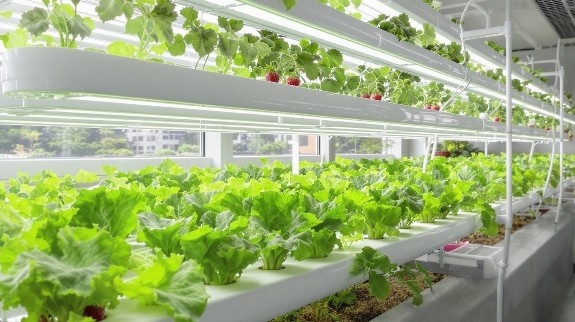
A hydroponic garden is perfect for those areas where soil is not fertile or in limited space. You can grow hydroponics on a rooftop or in a garden inside your house. Whether it’s lettuce, cucumber, strawberries, roses, or even herbs, with hydroponics, you can produce more yield.
Basics of Hydroponics
Hydroponic plants obtain their nutrients and essential minerals from water, rather than soil. The medium is used to support the roots, which hold the plant in place but don’t provide food.
The main idea behind hydroponics is straightforward: plants only need water with the right balance of nutrients and minerals, instead of soil. It helps plants grow faster, healthier, and produce more yield.
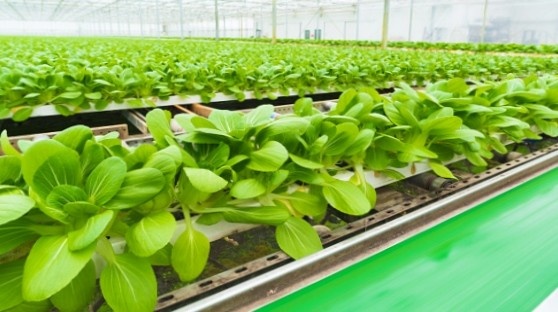
Use of rich water instead of soil provided benefits to growers everywhere. Plants need essential nutrients such as nitrogen, phosphorus, and potassium in large quantities. While Zinc and iron are required in smaller quantities.
Here, we discussed some of the advantages and disadvantages of growing a hydroponic garden.
| Advantages | Disadvantages |
| Hydroponics grow well instead of soil because nutrients are directly available | Cost can be high for advanced systems |
| Plants can be grown indoors or outdoors, regardless of the climate | Requires careful monitoring of nutrient levels and pH |
| Produce maximum yield, Environment-friendly | If the system is not clean, plants may be more susceptible to disease. |
| No need for soil, hence it reduces problems like pests and weeds | Power or pump failure can immediately affect plants in some systems |
| Year-round cultivation, independent of seasons | For beginners, knowledge about nutritional solutions is essential |
| Reduces the need for chemical fertilizers and pesticides | Continuous care is necessary for optimal plant growth |
Selection for Growing Hydroponic
Want to grow fresh and healthy food all year round? You can grow crisp greens, juicy strawberries, and aromatic herbs on your rooftop, balcony, or in a garden. Hydroponic gardening makes this possible and is better than traditional farming.
Best Herbs
When it comes to herbs and edible plants, a hydroponic garden allows you to grow different varieties of herbs. Growing plants without soil, such as lettuce, Basil, Mint, Thyme, Parsley, Dill, and nasturtium. Select the best plants to grow hydroponically according to your space, and you can grow and enjoy more yield.
Best Flowers
Growing flowers and ornamentals hydroponically isn’t just about beauty; it’s about growing a sustainable and healthy garden. You can also grow a Hydroponic Garden indoors as well as outdoors.
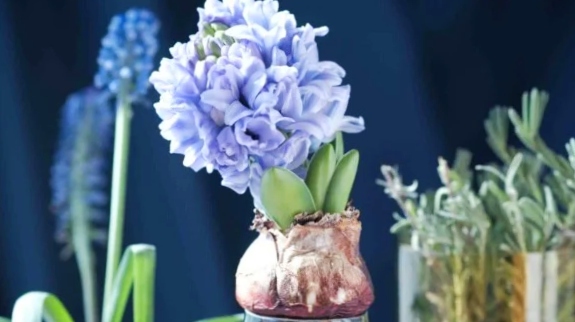
Hydroponics growing, Marigolds repel pests, and Orchids that flourish in water and stones. With the right hydroponics tips and techniques, you can grow carnations, petunias, peace lilies, and even sunflowers without soil.
best vegetables
In a hydroponic garden, vegetables grow well because they grow fast, take up less space, and can be harvested year-round. From leafy greens to vegetables, you can grow according to your space and system.
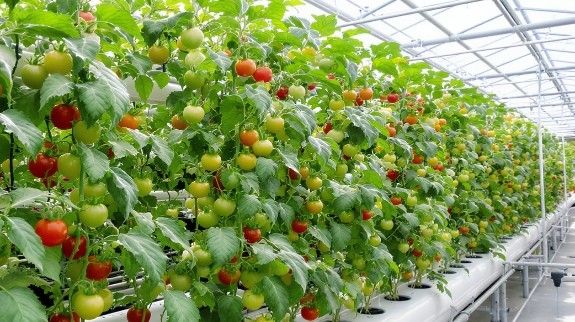
Leafy Greens are beginner-friendly as they are perfect for a small space. You can grow hydroponic vegetables in a hydroponic Garden, including Bok Choy and Mustard greens, tomatoes, cucumbers, chili peppers and bell peppers, onions, beetroot, and beans.
Basic Nutrients Used In Hydroponics
Growing a hydroponic garden, plants need 17 essential nutrients that are used in the plant growth and development process. For example, magnesium is a critical component and center of the chlorophyll molecule. Essential nutrients are further categorized as macronutrients and micronutrients. Both are essential for plant growth and development.
Macronutrients such as carbon, hydrogen, oxygen, nitrogen, phosphorus, potassium, sulfur, calcium, and magnesium are used for hydroponics. Micronutrients such as iron, manganese, zinc, boron, molybdenum, chlorine, copper, and nickel. The rest of the nutrients are from the soil.
Macro-nutrients
When it comes to planting a hydroponic garden, the nutrients are the lifeblood of your plants. So use beneficial nutrients as a blood and complete meal for your plant. There are three basic nutrients used in hydroponics. Deficiency can cause the plant to turn yellow and short.
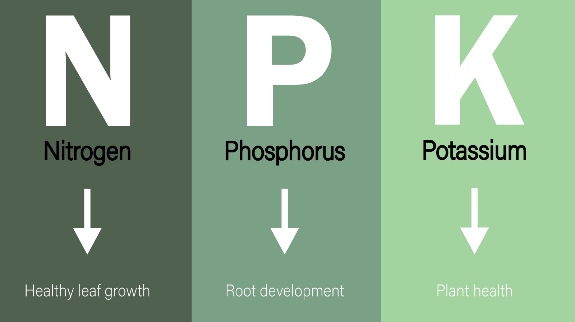
Nitrogen: Responsible for promoting healthy leaf growth and the production of proteins and enzymes. It can be obtained from natural sources such as lightning strikes or biological nitrogen fixation.
Phosphorus: Used for root development and flower formation. Darkening or purpling of the leaves, less flower production, and fruits are causes of deficiency.
Potassium: Improves overall plant health and disease resistance. Deficiency can cause a plant to become weak or vulnerable to pests and diseases. First signs of potassium deficiency are seen in mature leaves as they transfer potassium to newly growing younger tissues.
Use a balanced mix of these nutrients in a hydroponic solution for good results.
Secondary nutrients
As macronutrients are essential and beneficial for a hydroponic garden, some of the secondary nutrients are also important for it.
Calcium: Essential for cell wall formation, proper root development, stability, and overall plant structure. Signs of Deficiency are as follows: distorted new growth and weak cell walls.
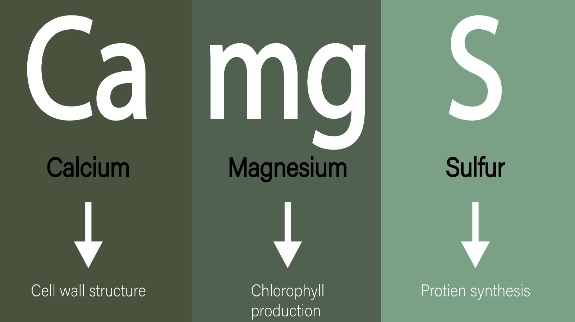
Magnesium: a central component of chlorophyll in production, vital for photosynthesis and energy transfer within the plant. Some plants absorb it directly from the air through their roots. Signs of Deficiency are yellowing between leaf veins and reduced growth.
Sulfur: Important for the synthesis of amino acids and proteins, improving plant growth and overall health. Signs of Deficiency are the yellowing of young leaves and stunted growth.
Care and Maintenance
A hydroponic Garden needs proper care and maintenance of water. You can also plant a hydroponic garden and enjoy fresh, healthy, and maximum yield. Here we discussed some tips for the good growth of hydroponics.
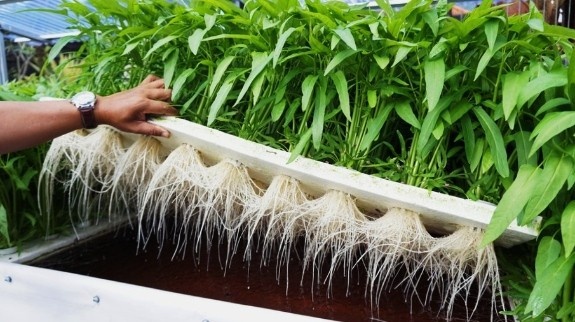
Watering Hydroponic Plants
Some hydroponics need to be changed water regularly throughout the growing cycle. If you are growing plants for the long term, such as tomatoes, cucumbers, and herbs. To harvest year-round, it’s better to change the water. Some hydroponics use the same water, but this only works for short-term crops, just like lettuce that is ready in 6_7 weeks. The benefits of fresh water are:
- Keeps plants healthy
- Prevents algae and bacteria growth
- Helps ensure food safety
Monitoring Hydroponics
Monitoring your hydroponics daily to ensure they are healthy and thriving means checking for pests, diseases, yellowing of leaves, and nutrient levels in the water. Hydroponic houseplants are perfect for bringing life and color into your house and thrive year-round. You can enjoy the freshness of hydroponics with the help of the tips discussed above and grow hydroponics at home.
Hydroponic’s Watering Schedules
Here we have discussed the watering schedule for some plants with the help of a drip system:
Lettuce
- Seedlings(first week) need 15 minutes of water after 2-3 hours.
- At the vegetative stage(8-21 days), plants need water after 4 hours for 15 minutes.
- For mature plants, water is adjusted depending on needs.
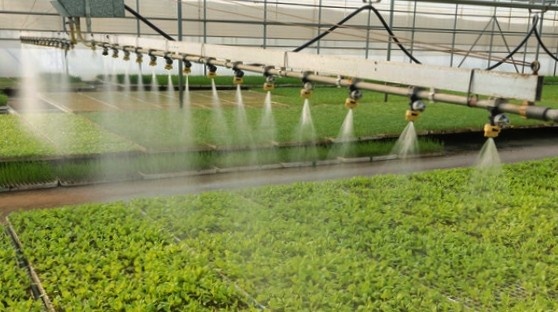
Tomatoes & Peppers
- Seedlings(first week) need 10–15 minutes of water after 2-3 hours.
- At the vegetative stage, plants need water after 4–6 hours for 15–20 minutes.
- For mature Fruiting plants, 3–4 cycles per day, increasing if needed.
Herbs
- Seedlings need 10–15 minutes of water after 2-3 hours.
- At the vegetative stage, plants need water after 4–6 hours for 10–15 minutes.
- For mature Fruiting plants, 3–4 cycles per day, adjust as needed.
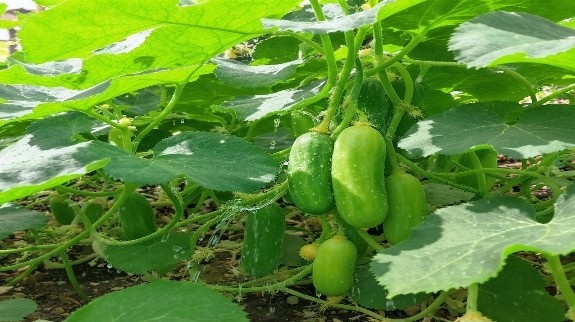
Cucumbers
- Seedlings need 15–20 minutes of water after 2-3 hours.
- At the vegetative stage, plants need water after 4–6 hours for 20–30 minutes.
- For mature Fruiting plants, 4–5 cycles per day, adjust as needed.
Strawberries
- Seedlings need 10–15 minutes of water after 2-3 hours.
- At the vegetative stage, plants need water after 4–6 hours for 15–20 minutes.
- For mature Fruiting plants, 4–5 cycles per day, adjust as needed.
Summary
Hydroponics is the method by which nutirients reach the roots, due to which crops grow faster and healthier. It uses 95% less water than traditional farming. Hydroponics is perfect for those areas where soil is not fertile or in limited space.
You can grow plants and veggies in a small space, such as on a balcony or a rooftop. Hydroponic gardening makes this possible and is better than traditional farming.
A proper watering schedule needs to be followed to enjoy the hydroponic yield. A watering schedule with properly balanced nutrients is very important and essential, and some of them are discussed above.
You can select the best variety of hydroponic plants for your hydroponic garden and enjoy year-round yield. Better care and regular monitoring are important for the plant’s health and growth. Monitoring for nutirients can help your plant avoid causing yellowing and reducing growth.
FAQs
What is a hydroponic garden?
Hydroponics is a technique of growing plants without soil, using nutrient-rich water that directly goes to the roots. It uses less water than traditional farming.
What is the biggest disadvantage of hydroponics?
Cost can be high for advanced systems, and it totally depends on the machines. In case of machine failure or power outages, this can harm plants and also cause them to die faster.
Is hydroponically grown safe to eat?
Hydroponic food is healthier and safer to eat because everything is grown in a controlled environment, and it uses fewer pesticides than conventional farming.
How to start hydroponic gardening for beginners?
Experiment with a few plants first by choosing a wick system or deep water culture. Herbs and mint are easy to grow in a hydroponic system. Add a balanced amount of nutrients to water for plants.
