
Learn how to care for peace lily houseplant, easy tips for watering, light, soil, and humidity to keep your peace lily healthy, green, and flowering indoors.
If you’re searching for how to care for a peace lily houseplant, chances are you already own one, or you’re thinking about getting one and don’t want to kill it within a month. Peace lilies are often marketed as “easy” plants, but that label can be misleading. They’re forgiving, yes, but they are also very good at showing when something isn’t right.
Yellow leaves, drooping stems, and a peace lily that does not bloom are some of the most common frustrations people face. The problem is that most care advice online is either too vague or written for people with large homes and perfect lighting. Real life looks different.
This guide breaks everything down in a simple, realistic way. Whether you’re growing your peace lily in a small apartment, a bathroom, or an office corner, you’ll learn how to keep it healthy, green, and, when conditions allow, flowering.
How to Care for a Peace Lily Houseplant?
Understanding how to care for a peace lily houseplant starts with knowing what it actually needs versus what it merely tolerates. Peace lilies are tropical plants, meaning they evolved under forest canopies where light is filtered, moisture is consistent, and temperatures are stable.
At a minimum, peace lilies need:
- Indirect light
- Moist but well-draining soil
- Warm indoor temperatures
- Occasional feeding
They tolerate mistakes better than many houseplants, which is why they’re so popular with beginners. However, repeated overwatering, poor drainage, or very low light will eventually cause problems. The goal isn’t perfection, it’s consistency.
Once you understand that peace lilies prefer gentle, steady care rather than extremes, everything else becomes much easier.
Caring for Peace Lily Plants Indoors
Peace lilies are primarily grown indoors, where conditions are easier to control. Indoor environments also protect them from cold temperatures, harsh sunlight, and sudden weather changes.
Light Requirements
Light is one of the most misunderstood aspects of caring for peace lily plants. While peace lilies can survive in low light, survival and thriving are not the same thing.
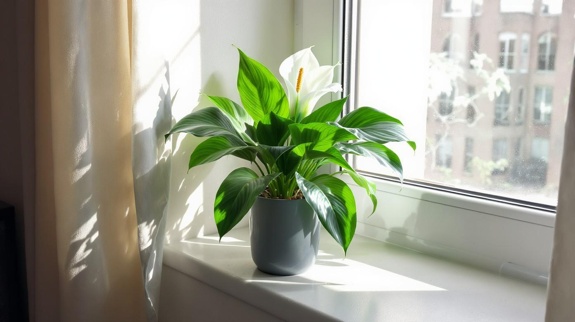
Bright, indirect light is ideal. This means placing the plant near a window where sunlight is filtered through curtains or reflected off walls. East-facing windows are especially good because they provide gentle morning light without intense heat.
If your peace lily has healthy leaves but never flowers, insufficient light is often the reason. On the other hand, direct sunlight can cause pale patches or scorched leaf edges. Finding that middle ground makes a huge difference.
Watering the Right Way
Watering is where most peace lilies suffer, not from neglect, but from too much attention. Peace lilies prefer evenly moist soil, but they cannot tolerate soggy conditions.
A reliable method is to check the top inch of soil. If it feels dry, it’s time to water. If it’s still moist, wait a bit longer. Always water thoroughly, allowing excess water to drain out of the bottom.
Peace lilies are dramatic plants. When they’re thirsty, the leaves droop noticeably. While this looks alarming, it’s usually not dangerous if corrected promptly. Repeated cycles of extreme drying and soaking, however, can weaken the plant over time.
Temperature and Humidity Needs
Peace lilies thrive in typical indoor temperatures, ideally between 18–27°C. They dislike cold drafts, sudden temperature changes, and proximity to heaters or air conditioners.
Humidity plays an important role as well. Dry air can lead to brown leaf tips and slower growth. Bathrooms and kitchens are excellent locations because steam naturally increases humidity. In drier rooms, grouping plants or using a pebble tray can help create a small, humid microclimate.
How to Look After a Peace Lily Long Term?
Long-term care is what keeps a peace lily looking good year after year. One simple habit that makes a big difference is cleaning the leaves. Dust buildup blocks light and reduces photosynthesis, so wiping leaves with a damp cloth every couple of weeks helps both appearance and health.
Rotating the plant occasionally prevents it from leaning toward the light. During winter, growth slows down, so watering should be reduced slightly, and fertilizing should stop until spring.
Peace lilies appreciate routine. Once you find a spot where your plant looks happy, avoid moving it too often.
Best Soil
The right soil is essential for healthy peace lily roots. Peace lilies prefer loose, well-draining soil that retains some moisture without becoming compacted. A standard indoor potting mix works well, but adding perlite or orchid bark improves drainage and prevents waterlogging.
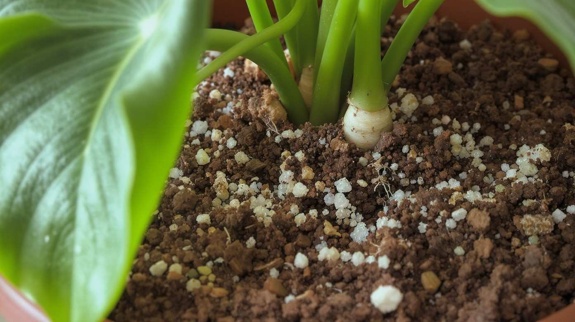
Avoid heavy garden soil or clay-based mixes, as these can trap water and lead to root rot. The goal is a soil that holds moisture enough for consistent hydration but still allows air to reach the roots.
Pot Size
Peace lilies actually thrive when slightly root-bound, so don’t rush to move them into a much larger pot. Using an oversized pot can hold too much water, increasing the risk of root rot.
Choose a pot only 1–2 inches larger in diameter than the current container. Make sure it has drainage holes to allow excess water to escape, keeping roots healthy and happy.
Repotting Tips
Repotting should be done only when necessary, usually when roots start coming out of the drainage holes or circling the top of the soil. The best time to repot is spring, when the plant is actively growing and recovers faster from transplant shock.
Fill the new pot with fresh, well-draining soil, gently place the rootball inside, and water thoroughly to help settle the soil. Avoid disturbing the roots too much, and return the plant to a consistent light and temperature location.
Peace Lily Yellow Leaves
Peace lily yellow leaves are one of the most common concerns and usually point to a care issue rather than a disease.
Overwatering is the primary cause, especially in pots without proper drainage. Poor water quality can also contribute, as peace lilies are sensitive to chemicals like chlorine and fluoride.
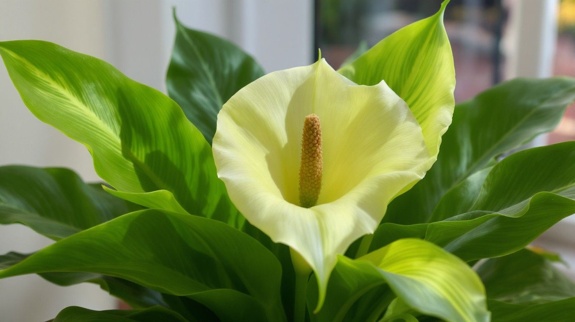
In some cases, yellow leaves are simply older leaves reaching the end of their life cycle. If only one or two lower leaves turn yellow occasionally, this is completely normal.
Why Your Peace Lily Does Not Bloom?
A peace lily that does not bloom often frustrates owners, but flowering indoors is never guaranteed. Blooms require extra energy, which comes mainly from light.
Low light, excessive nitrogen fertilizer, or a plant that is still maturing can all delay flowering. Some peace lilies bloom once a year, while others bloom less frequently indoors.
Lack of flowers does not mean your plant is unhealthy.
How to Make a Peace Lily Flower?
To increase the chances of flowering, focus first on improving light conditions. Moving the plant closer to a window, without exposing it to direct sun, can trigger bud formation.
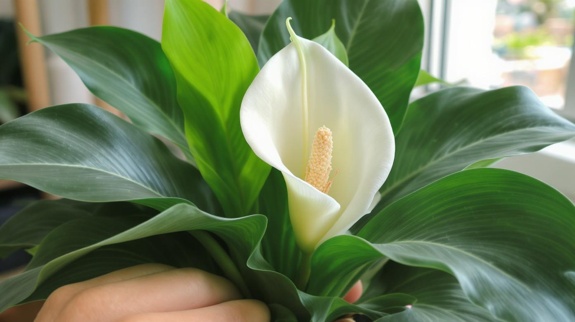
Feeding lightly during spring and summer also helps. Use a balanced houseplant fertilizer at half strength. Avoid overfeeding, as this encourages leaf growth rather than blooms.
Consistency is key. Peace lilies respond best to steady care over time rather than quick fixes.
Are Red Pink Peace Lily Real?
Despite online listings, true red peace lily plants and pink peace lilies do not exist naturally. Most colorful versions are artificially dyed or misidentified plants from different species.
Dyed peace lilies may look attractive at first, but the color fades quickly, and future blooms will be white. Understanding this helps avoid disappointment and unnecessary spending.
Peace Lily Problems and Fixes
Peace lilies are resilient, but they can show signs of stress if their needs aren’t met.
Drooping leaves usually mean the plant is thirsty; water thoroughly, and it should perk up within hours.
Yellow leaves often indicate overwatering, poor drainage, or old leaves dying naturally; remove dead leaves and adjust your watering routine.
Brown leaf tips can result from low humidity, too much fertilizer, or chemical buildup in tap water; try misting, flushing the soil, or switching to filtered water.
Slow growth often comes from low light or nutrient deficiency. Move the plant to brighter indirect light and feed lightly during the growing season.
Care for Peace Lily – Quick Cheat Sheet
- Light: Bright, indirect
- Water: When the top inch of soil is dry
- Temperature: Warm and stable
- Humidity: Moderate to high
- Feeding: Light, seasonal
- Avoid: Overwatering and direct sun
Summary
Learning how to care for a peace lily houseplant is really about understanding its signals and responding calmly. Peace lilies are expressive plants; they droop when thirsty, slow down when light is low, and reward good care with glossy leaves and elegant blooms. That makes them ideal for beginners, as long as you don’t overreact to every small change.
The biggest mistakes most people make are overwatering, placing the plant in very dark corners, and expecting constant flowers. Peace lilies don’t need perfection; they need consistency. A stable spot with bright, indirect light, a sensible watering routine, and occasional feeding during the growing season will keep your plant healthy for years.
If your peace lily isn’t blooming or shows yellow leaves now and then, don’t panic. These issues are usually easy to fix with small adjustments. With patience and steady care, your peace lily can become one of the most reliable and rewarding houseplants in your home.
FAQs
Can a peace lily live outside?
Yes, a peace lily can live outside only in warm, tropical, or subtropical climates where temperatures stay above 55°F (13°C). In cooler regions, peace lilies should be grown indoors, as exposure to cold weather, wind, or direct sun can damage the leaves and roots very quickly.
How to care for a peace lily?
To care for a peace lily, place it in bright, indirect light, water it when the top inch of soil feels dry, and keep it in a warm indoor environment. Avoid overwatering, make sure the pot has good drainage, and maintain moderate humidity for best results.
How to care for a peace lily plant?
Use well-draining soil, choose a pot with drainage holes, and keep the plant away from direct sunlight. Clean the leaves occasionally, rotate the plant for even growth, and fertilize lightly during spring and summer to support healthy leaves and flowers.
How to make a peace lily flower?
To make a peace lily flower, increase the amount of bright, indirect light it receives and feed it lightly during the growing season. Be patient, indoor peace lilies may only bloom once a year, and a lack of flowers does not mean the plant is unhealthy.
