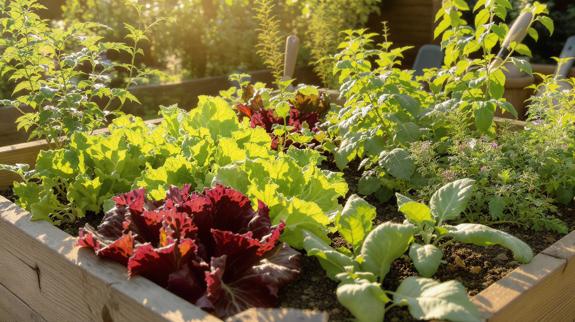
I have always believed there’s something special and rewarding about growing your own food. Whether you’re looking to start a veggie garden, or want to grow simply with some lettuce and tomatoes for salads, or you want a kitchen garden, growing vegetables isn’t that hard.
Growing vegetables can be done very simply with less effort. Veggies can be grown in containers, a garden, or raised beds. Many gardeners start from seed, but I prefer to grow my veggies from plants.
How does it feel about stepping outside, brushing a bit of dirt off your hands, and seeing your own food grow right in front of you? Starting a veggie garden, especially in a small garden, doesn’t take much space or expensive tools. The thing you just need to do is plan where you are going to plant your veggie garden.
When I started planting vegetables for the first time, I made a lot of mistakes, like planting too much and giving them less room to grow, watering too much, and the most important thing, which I ignored, is sunlight, the right space for them. Over time, I learned that the most beautiful and productive vegetable garden starts with small, intentional steps.
Vegetable Garden Basics
Pick the Right Location
The first step to any thriving vegetable garden location. Most veggies need at least six hours of direct sunlight a day, so I always find the sunniest patch in the yard. I like to stand in the garden spot in the morning and again in late afternoon, seeing where shadows fall helps me decide the best planting zones.
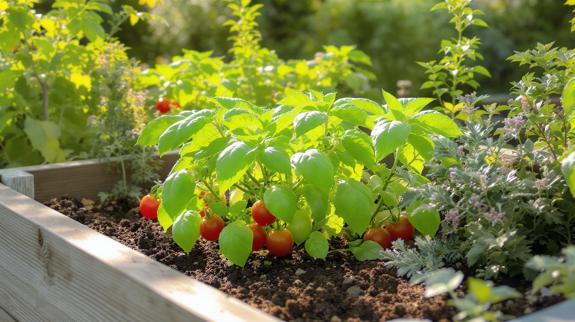
Avoid spots where water pools after rain. Vegetables hate soggy feet. If your yard doesn’t drain well, consider building a raised bed. And trust me, a good breeze is great, but strong winds can break tender plants and dry out the soil too fast. I like to plant near a fence or hedge to block harsh gusts.
Preparing and Improving Your Soil
Healthy plants start with healthy soil. I can’t say that enough. The first time I tested my garden soil, I discovered it was more like compacted clay than anything else. So I started adding compost, lots of it. Every spring, I spread a layer about two inches thick over the garden and gently mix it in.
Compost not only feeds your plants but also helps your soil hold water without becoming soggy. If your soil is heavy clay, mix in coarse sand and organic matter to loosen it.
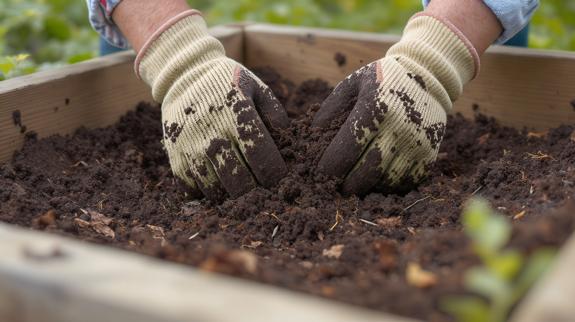
For sandy soils, add compost and leaf mold to help it retain moisture. Over time, even stubborn dirt transforms into rich, crumbly soil that smells like the forest floor after rain.
And if digging isn’t your thing, the no-dig gardening method is magic. Just layer cardboard, compost, and straw right on top of the ground. It’s like making lasagna, but for your garden.
Planning Your Garden Layout
Garden Layout Styles
In small gardens, layout is everything. I like to plan mine on paper before I ever touch the soil. You can go old-school with row planting, where everything grows in straight lines, or try block planting, which uses every inch of space. I prefer square-foot gardening, where each plant has its own little square of real estate. It keeps things organized and efficient.
Maximizing Space and Light
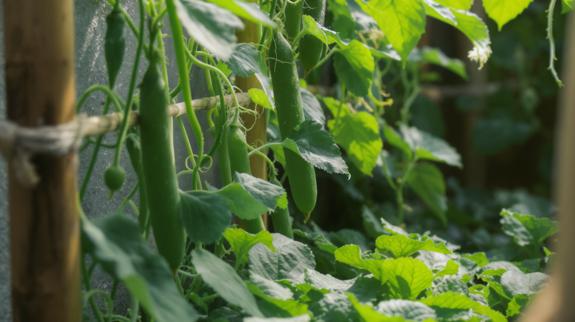
I have learned to think vertically when space is tight. I grow beans and cucumbers on trellises, and they climb up beautifully, freeing ground space for smaller crops like lettuce or carrots. A-frame supports or even a simple bamboo teepee work wonders.
Another trick: layer your plants by height. I plant tall crops like tomatoes or pole beans at the back, medium growers like peppers in the middle, and small leafy greens up front. This way, nothing blocks the sunlight.
And keep your paths narrow, just wide enough to step through comfortably. In small gardens, every square foot counts.
Companion and Succession Planting
Some plants just play better together. I always plant basil near my tomatoes; it helps with flavor and keeps pests away. Carrots and onions are another good duo, as are lettuce and radishes.
Succession planting is my secret weapon for a steady harvest. Instead of sowing all my lettuce seeds at once, I plant a few rows every two weeks. This way, I have fresh greens all season instead of one giant pile at once.
Choosing What to Grow
Choosing Vegetables for a Small Garden
When you don’t have a ton of space, grow the things you love to eat most often. My go-tos for a small veggie garden are lettuce, radishes, tomatoes, peppers, and green beans. They’re fast, forgiving, and incredibly satisfying to harvest.
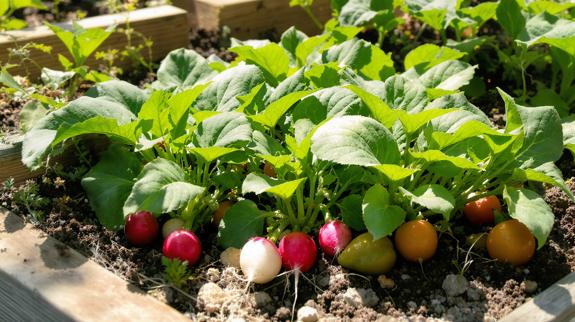
Easiest Vegetables to Grow
If you’re brand new to gardening, start with forgiving crops. My top list: lettuce, beans, radishes, zucchini, and cherry tomatoes. These plants practically grow themselves and reward you quickly, which keeps your enthusiasm high.
Mixing Vegetables, Herbs, and Flowers
A veggie garden doesn’t have to be plain rows of green. I love mixing vegetables with others, like tomatoes or nasturtiums, around cucumbers. They add color, attract pollinators, and even help with pest control. Plus, the whole space feels more alive and inviting.
When to Plant
Timing matters. In spring, I start cool-weather crops like peas, lettuce, and carrots. Once the soil warms up, it’s time for planting tomatoes, peppers, and zucchini.
I always check my local frost dates; there’s nothing worse than losing new seedlings to a late freeze. If you’re short on growing time, buy small transplants from a nursery instead of starting from seed. It gives you a head start.
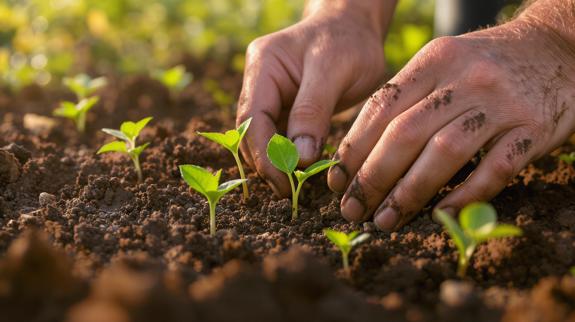
Fall is great for greens, beets, and root crops. I like to think of the year as two main planting waves: cool-season and warm-season. Once one harvest ends, I’m already prepping for the next.
Care and Tips to Plant Vegetables
Watering and Irrigation
The biggest mistake I made early on was watering too often but too lightly. Plants prefer fewer deep soakings rather than daily sprinkles. Deep watering encourages strong root growth.
If you can, install a drip irrigation system or soaker hose; it saves time and delivers water right to the roots. I also keep a rain barrel nearby to catch free water from the roof.
Mulching and Weed Control
Mulch is your garden’s best friend. I spread straw, leaves, or compost around the base of my plants. It keeps the soil cool, holds moisture, and keeps weeds at bay. When weeds do pop up, I pull them right away, no procrastination.
Pest and Disease Management
Pests are part of gardening, but you can outsmart them. I check my plants every few days. If I spot caterpillars, I just pick them off by hand. For aphids, a gentle spray of soapy water does the trick.
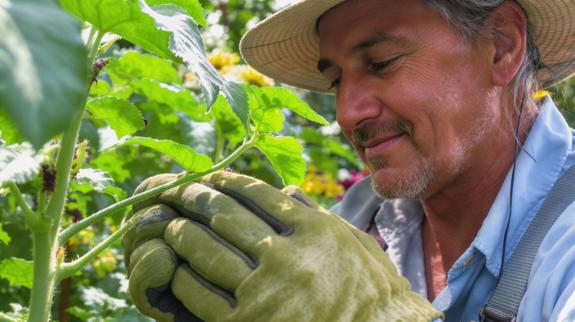
I also rotate my crops each year, and don’t plant tomatoes in the same spot twice in a row. It helps prevent soil-borne diseases from building up.
Supporting Plant Growth
I feed my garden every few weeks with liquid compost tea or diluted seaweed solution. It gives plants a nice nutrient boost.
Staking tall plants is another must. Tomatoes, beans, and peas all need some kind of support. I use bamboo stakes or simple twine systems. Harvest often, as it encourages plants to keep producing.
Garden Design and Inspiration
Raised Bed and Container Gardens
Raised beds are my go-to for small spaces. They look neat, drain well, and make it easy to control soil quality. Plus, they warm up faster in spring.
Containers add flexibility; you can move them around for better sunlight or bring them indoors when frost threatens. Metal tubs, wooden boxes, and even old buckets can work if they have drainage holes.
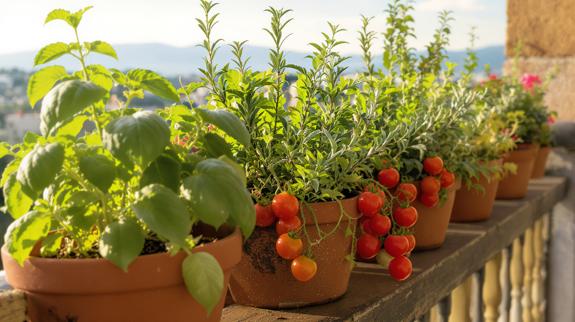
Balcony and Small-Space Gardens
If your “yard” is really a balcony, grow vertical. Hanging baskets, railing planters, and wall gardens make the most of limited space. Herbs like basil, parsley, and thyme thrive in small pots, and cherry tomatoes do surprisingly well in containers.
Front Yard and Decorative Vegetable Gardens
Who says veggies belong only in the back? I have helped friends transform front lawns into edible landscapes, mixing kale with flowers and peppers with marigolds. It’s beautiful, functional, and always starts great conversations with neighbors.
Incorporating Seating and Work Areas
Even a small veggie garden deserves a cozy nook. I always tuck in a little stool or chair nearby; it’s a reminder to sit, sip some coffee, and enjoy the view. After all, gardening isn’t just about work; it’s about slowing down and reconnecting with nature.
FAQs
What is the best vegetable garden for beginners?
The best veggie garden for beginners is a small raised bed or container setup. Start with easy plants like lettuce, beans, or cherry tomatoes. They grow fast, require minimal fuss, and give you a sense of instant success.
How do you make a veggie garden?
Pick a sunny spot, improve your soil with compost, and choose a few favorite vegetables to grow. Add mulch, water deeply, and keep weeds under control. You don’t need fancy tools—just consistency and care.
What’s in a vegetable garden?
A balanced vegetable garden includes a mix of leafy greens, root vegetables, and fruiting crops like tomatoes or peppers. I like to mix in herbs and flowers, too, because they make the garden both productive and beautiful.
What are the three types of vegetable gardens?
The three main types are in-ground gardens, raised beds, and container gardens. Each suits different spaces and soil types. For a small garden, raised beds or containers are hands-down the easiest to manage.
