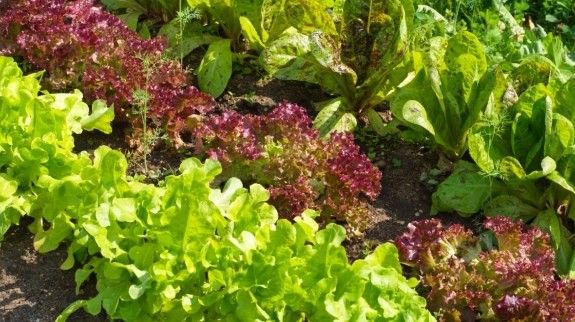
Do you think gardening takes a lot of time to produce? Lettuce will prove you totally wrong in 2-3 months. Whether you’re a beginner or a master in gardening, leafy green deserves a place in your garden. It is the easiest and most rewarding vegetable you can grow.
The best time to plant lettuce is early spring and till fall. It grows well in sunlight, but it cannot bear extreme heat. It is one of the most popular leafy vegetables, not only delicious but also healthy, rich in vitamin A and other essential nutrients. It is known for its slight taste as it is commonly used in sandwiches, salads, and other dishes.
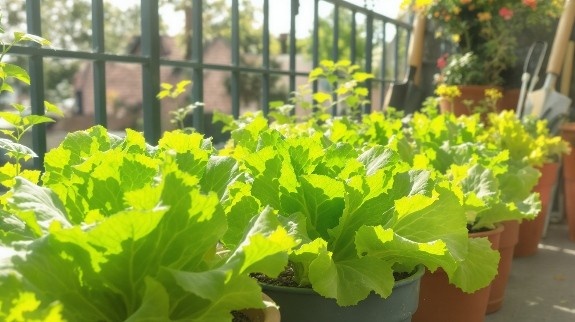
Lettuce is easy to grow and care for, and can be harvested in 45 days up to 3 months. It comes in many varieties, such as butterhead, Boston, and gem, each with its own unique flavor.
Are you wondering if lettuce requires a large space to grow? Well, it requires little space to grow. You can grow it in containers or pots on balconies.
Types of Lettuce
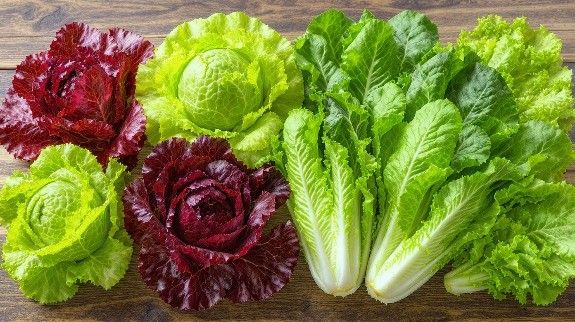
Lettuce is one of the most common greens grown around the world, and we use it raw in our food, such as salads, wraps, and even burgers. There are different types, each with its own flavor, look, and texture.
| Lettuce Types | Flavor | Texture | Description |
| Red leaf lettuce | Mild, slightly sweet | Soft, Gentle | Loose green leaves with red edges |
| Butterhead Lettuce | Mild, Buttery | Soft, Smooth | Soft, round head with smooth leaves |
| Boston Lettuce | A little bit sweet | Smooth, Tender | Type of butterhead with cup-shaped leaves |
| Endive Lettuce | Bitter, Sharp | Crunchy, Crisp | Long, narrow leaves with a strong taste |
| Aldi Lettuce | Mostly mild | Can be soft or crunchy(depends on varieties) | Often, iceberg or mixed leaves |
| Gem Lettuce | Sweet, nutty | crunchy, firm | Small romaine with tight leaves |
Today, this plant grows all around the world. Different varieties of lettuce can be grouped into four categories:
Crisphead (like iceberg): It is a hardy, round-headed, and crunchy leaf. It is mostly used in salads and burgers.
Butterhead: Softer and more tender than crisphead with loose leaves. This category includes Boston and Caesar.
Romaine: Tall leaves with crunchy white rib in center. It is mostly used in Caesar salads.
Looseleaf: This lettuce grows in a loose, round shape. You can cut leaves and use them instead of cutting the whole plant. It comes in many shapes and colors, with light green to radish tones.
Growing Lettuce
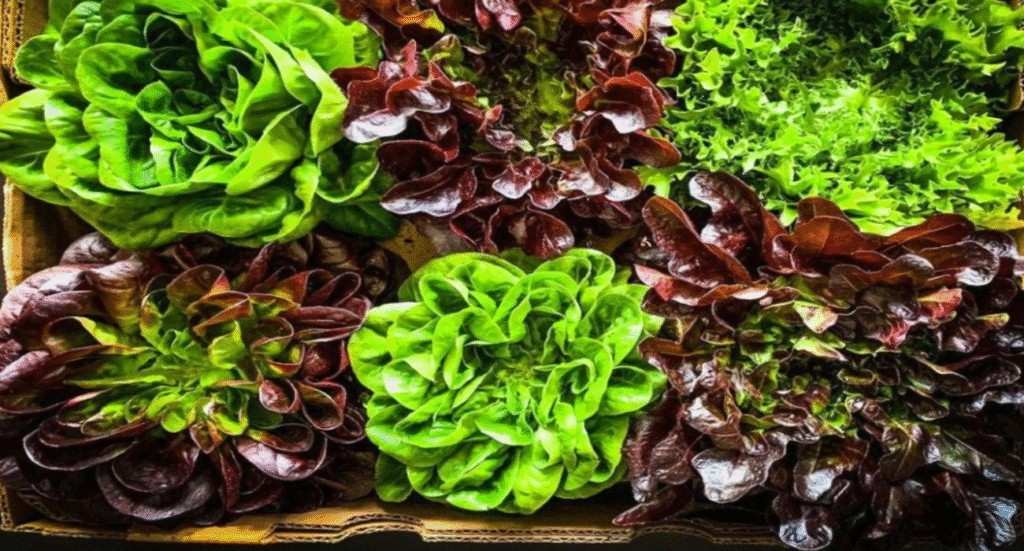
Lettuce is easy to grow, especially for new gardeners. Most of the varieties that you can grow all year round and harvest them. Looseleaf is perfect, as you can cut leaves instead of harvesting the entire plant. It doesn’t take much space, and can be harvested in just a few weeks. It can be grown in a garden, a container, or a growing bag.
Lettuce grows in rich and soft soil and can handle little shade. It can be used to grow as a border plant in the garden, due to its low height and pretty leaves that look good. Colors are very captivating, from light green to deep red, with smooth texture and curly leaves.
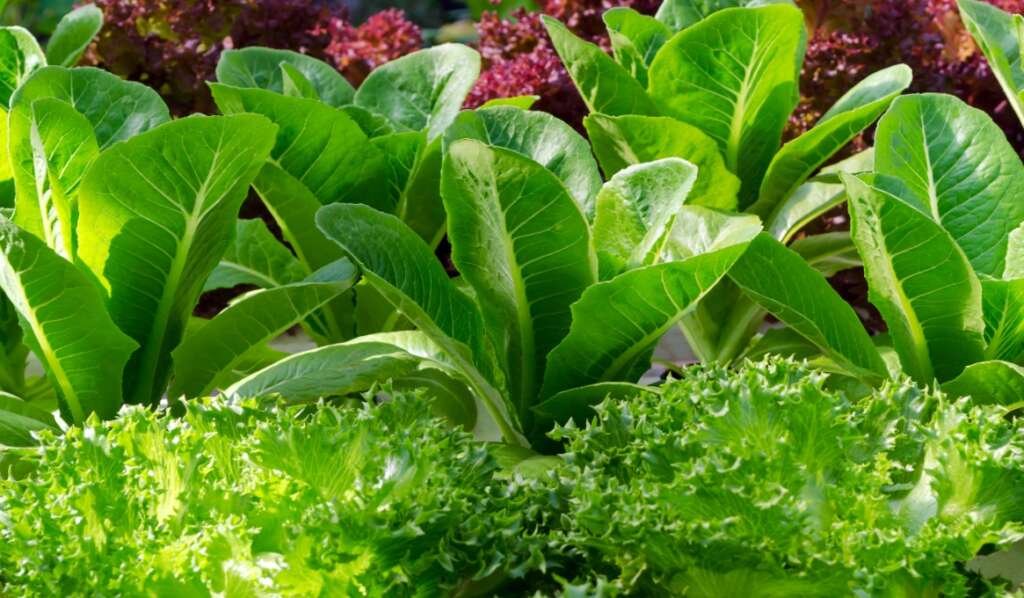
Direct sowing seeds: Scatter seeds directly in the garden soil. Cover with a slight soil of 1/8 because they need light to sprout.
Transplanting seedlings: You can grow seeds indoors under a grow light. To transplant them in the garden, plant them in rows by leaving enough space of 10 inches to spread roots well.
Growing Lettuce in Containers
Growing your own lettuce plant is easier than you might think. If your garden is not big, then there is no need to worry; you can still grow them right on your porch, balcony, or windowsill. All you need to do is choose the right container and take a little care.
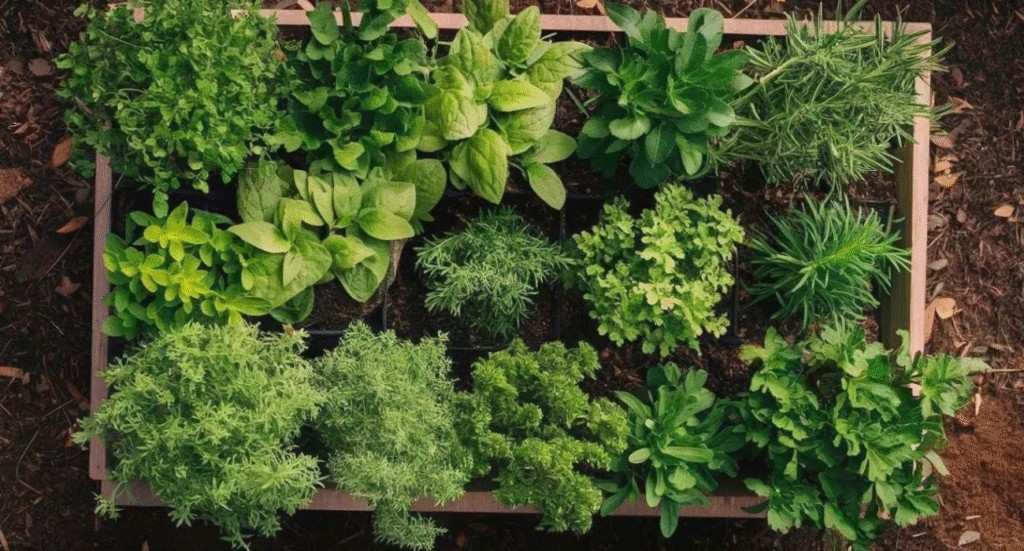
Growing leaf lettuce, choose a pot with a depth of 6 inches and 12 inches wide. As for head lettuce, take a pot that is 16 inches wide and a depth of 12 to 16 inches. Make holes in the pot or container for drainage so that plants don’t turn soggy.
Choose the container that gives the plant enough space to grow well and spread roots. Whatever you pick, make sure it has proper holes for drainage and keep the plant safe from rot. Options for good containers are as follows:
- Metal tubs
- Wooden boxes or planters
- Cloth or fabric grow bags
- Classic clay or terracotta pots
Harvest Lettuce Like a Pro
For the most rewarding crop to grow, grow a lettuce garden. With the right harvesting techniques and tricks, you can enjoy fresh leafy greens during the season. The trick is to pick up the leaves that have grown to full size and are still green. Don’t pull out the whole plant; try the cut-and-come-again method by simply twisting the outer leaves while leaving the center to keep growing.
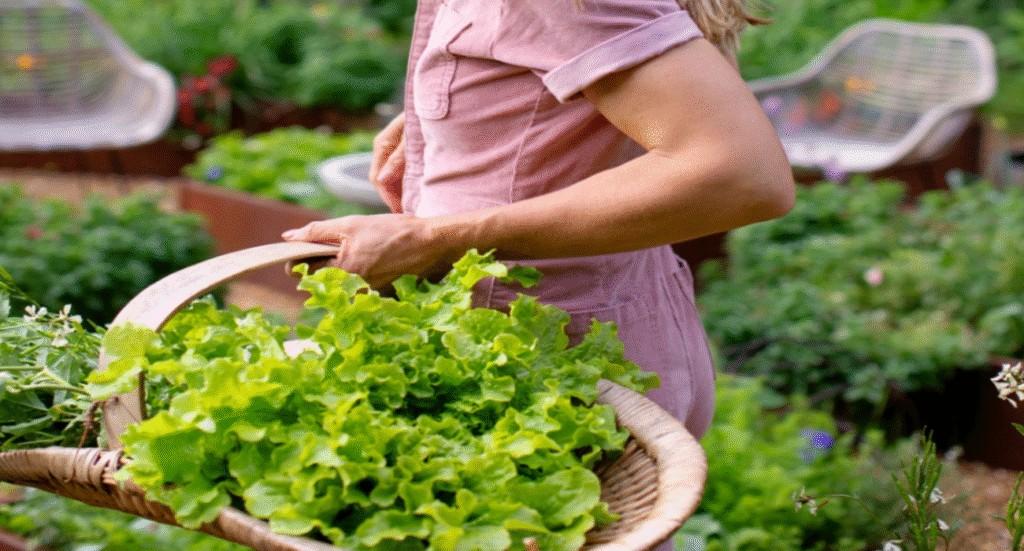
Do you have a question about whether lettuce regrows after cutting? Yes, it can regrow. Cut the plant an inch above the soil; this encourages the plant to regrow for a second harvest.
Different varieties have different harvest times; knowing your type helps you to get better results. Romaine and Little Gem form tight, crisp hearts and should be picked up when they grow to full size and are still green. Butterhead has soft, sweet leaves, harvested when the heads feel firm.
When to Plant Lettuce
A cool-season crop that is normally grown in spring and fall. The ideal temperature for germination is 16–18°C. The lowest temperature for germination is 4°C. The highest temperatures are 24°C, when seeds may not sprout well and plants can bolt.
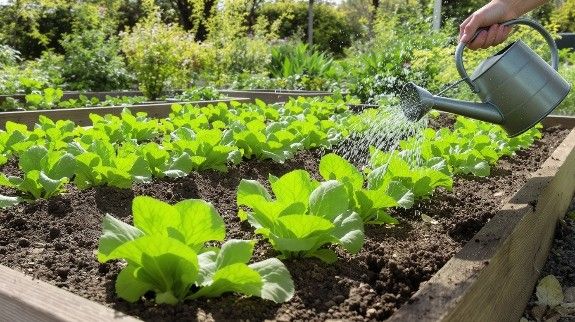
Steps for Planting in Raised Beds
Prepare soil: Mix 2-3 inches of compost, remove detritus, and make the surface smooth.
Maintain distance: Plant seeds at 2 inches, and space them 10 inches apart as they grow.
Watering: Keep the soil moist, but ensure there is adequate drainage.
Sunlight: 6–8 hours daily; partial shade in hot weather to keep them safe from the bolt.
Succession planting: Plant new seeds every 2 to 3 weeks for a steady harvest.
Harvest: harvest leaves or the whole plant when mature, before leaves turn bitter.
Can Lettuce Grow in All Climates?
Lettuce is easiest to grow and care for; with a few tricks, you can enjoy fresh, leafy salads almost all year-round. To enjoy a good yield, you have to know when to plant, which variety to grow, and how to take care of your crop in all climates.
Growing in Mild Climates
If your winters are not too cold, the perfect time to grow crops is the “shoulder seasons”. For spring, plant before your last frost date to get an early harvest. For fall, plant before your first frost to harvest over the season.
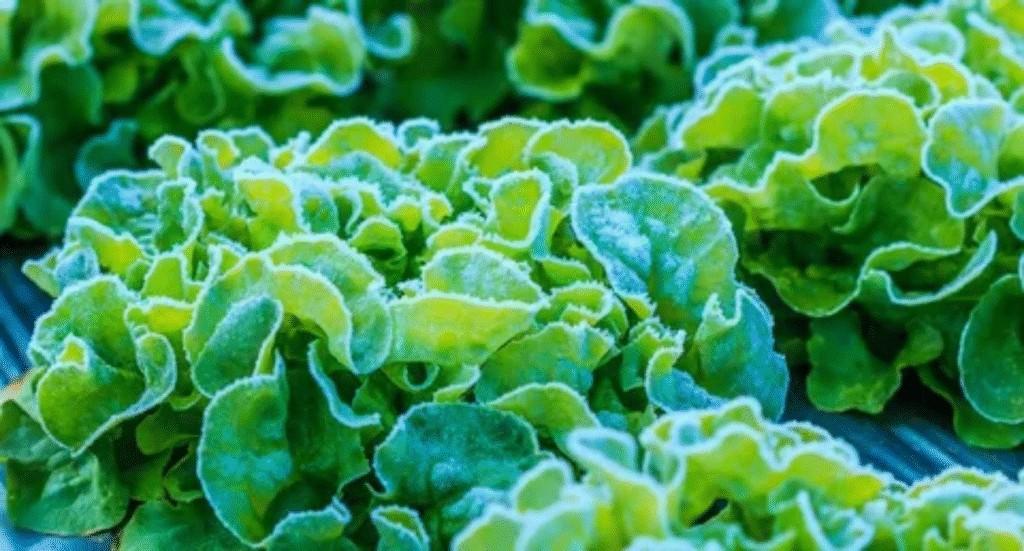
Growing in Cold Climates
If you are in freezing winter, you can still grow leafy plants. The only trick to grow in freezing winter is to keep it covered and give it some protection.
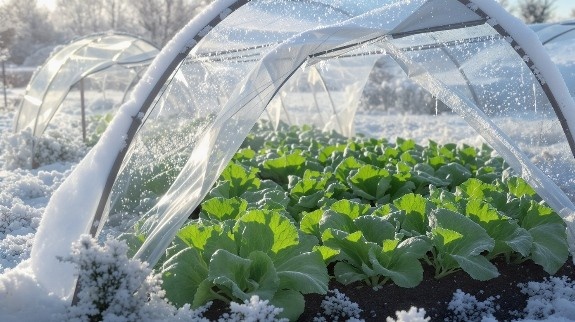
For fall planting, plant them at the end of summer or early fall, and cover the plants with a cold frame as the temperature drops. For spring planting, sow seeds in soft soil and cover them when needed.
Growing Lettuce in Warm Climates
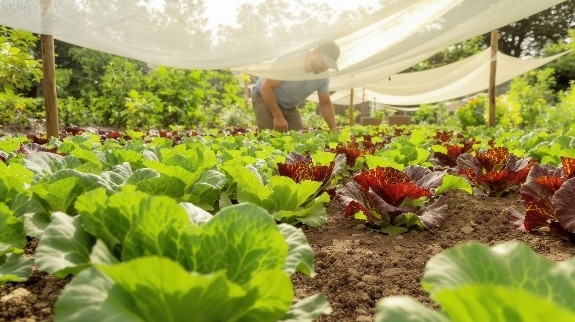
In a warm climate, try planting lettuce in partial shade to prevent it from bolting. When the temperature starts rising above 27°C, plant heat-tolerant varieties such as Jericho Romaine, Lollo Rossa, or Flashy Troutback, or plant other hardy greens that can tolerate heat better.
Summary
Lettuce is an easy, fast-growing, and nutritious vegetable, and can be harvested in 45 days up to 3 months. It grows well in containers and pots, and doesn’t require much space. There are different varieties like butterhead, looseleaf, and romaine.
It prefers cool weather, partial sunlight, and well-drained soil. Using cut-and-come-again techniques allows the plant to regrow for multiple harvests, and with little care, it can grow almost year-round in most climates.
FAQs
How long does lettuce take to grow?
It is an easy and fast-growing vegetable that takes 30-45 days to grow baby leaves, or you can regrow it by cut-and-come-again.
What is the secret to growing lettuce?
The secret to growing is to provide fertile, moist, well-drained soil with cool temperatures and partial sunlight.
Will lettuce regrow after cutting?
Yes, they can regrow after cutting using the cut-and-come-again method. Cut the plant above one inch of soil; it will allow the plant to regrow for a second harvest.
How do I grow lettuce at home?
To grow them at home, sow seeds in well-drained soil and cover them with a slight layer of soil because they need light to sprout.
