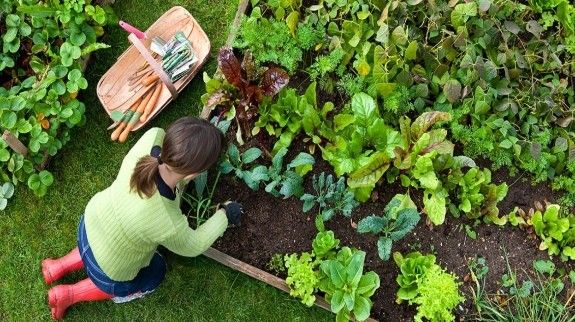
Want to plant vegetables in your own garden? Don’t worry, you don’t need acres of land or years of experience to grow your own vegetable plants; all it takes is a small space, a bit of sunlight, and a love for fresh vegetables.
Planting your very first vegetable garden can be both exciting and a little intimidating, rewarding, healthy, and fun, as well as scary. But it doesn’t have to be complicated. With some tips and guides, beginners can enjoy their own grown veggies and build their confidence to grow again next time.

You can’t wait to eat your own grown veggies, but as a new gardener, first you have to know the basics of growing vegetables. Plant vegetables in pots, containers, or hydroponically as you want to grow.
Plant vegetables in the garden, you can grow the best crops that need less maintenance, care, are ready to harvest in a short time period, and are resistant to pests and diseases.
Start small, enjoy the process, and let your garden grow with you.
Pick the Right Location
Picking a good location that has 6 or more hours of sunlight for your garden is absolutely key. Choosing a good spot to plant vegetables gives you a good, healthy yield.
Many vegetable plants need plenty of sun to power the creation of plentiful flowers and fruit. Some vegetable plants can thrive in less sunny spots, such as broccoli, lettuce, spinach, and other greens.
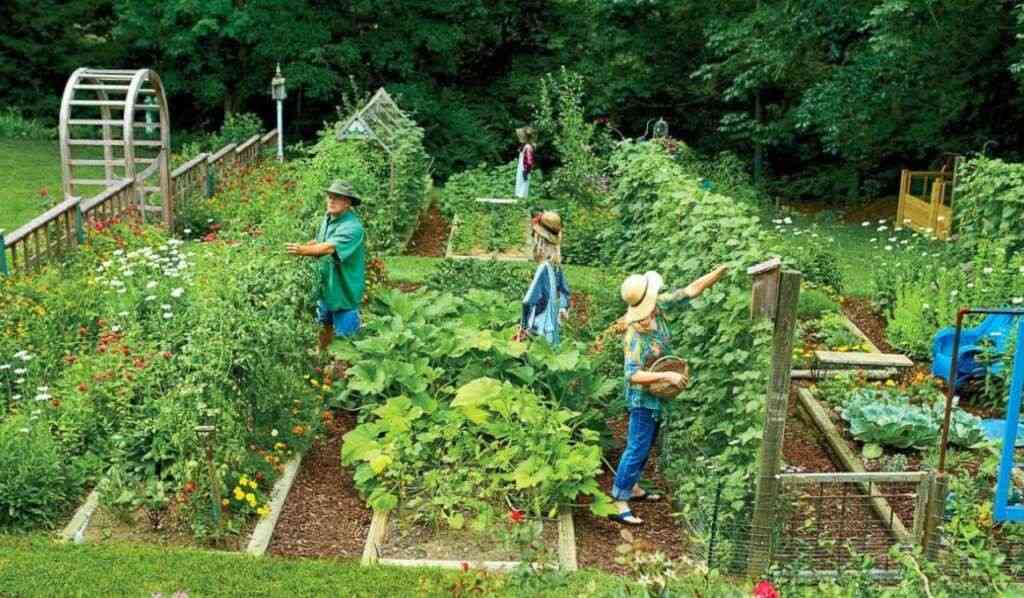
Prepare your garden soil a few days before you plant. Dig the soil to loosen it, remove all the weeds, and add compost to it. Healthy soil produces healthy plants, and ideal soil for a vegetable garden is well-drained and fertile.
Check the pH of the soil; pH should be between 5.5 and 7 to plant vegetables. If your garden soil’s pH is less than or more than this, your plants won’t get enough nutrients, no matter how much organic matter you use.
Choosing a Plot Size: Start Small
Starting a vegetable garden for the first time, the biggest question is, how big should it be? The answer is—start from a small garden.
The most common mistake beginners make is planting too much too soon. Plan your garden with care and start from a small garden by growing less, and only plant vegetables that you know and you like to eat.
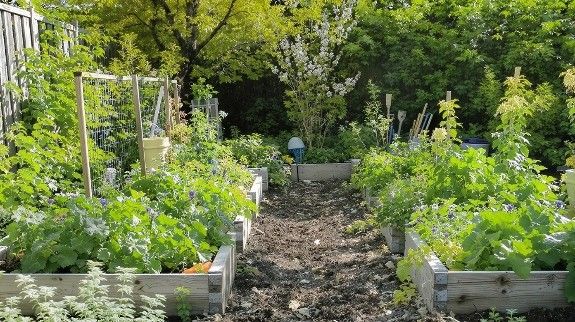
Whatever the size of your garden, make sure you have a path to access weeds and harvest. Just ensure you can easily reach the plant beds.
Choosing Vegetables for a Small Garden
Plant vegetables that your family enjoys eating. Don’t waste space and resources on the crops that you don’t like to eat. Pick up the vegetable that gives you joy and yield to enjoy like lettuce, tomatoes, or herbs. Start with just a few, enjoy the process, and let your garden grow with you.
Vegetables for Clay Soil
Plant vegetables in clay soil, which is heavy and retains a lot of water. However, some vegetables grow well in this type of soil and can thrive despite its weight, producing a good yield.
- Cabbage
- pumpkins
- French beans
Vegetables for Sandy Soil
Plant vegetables for sandy Soil, as it needs a lot of water, as it doesn’t hold water for long, and drains quickly. To grow veggies in this type of soil, you have to water them regularly, as they need.
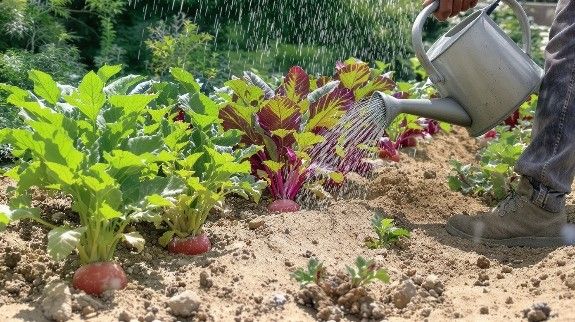
- Carrots
- Radishes
- Beetroot
Vegetables for Part Shade
Not all vegetables need full sun for the whole day. If your garden has shady spots, you can actually grow vegetables well. These veggies can grow well with less sunlight, prefer cooler conditions, and don’t need full sun to thrive.

Plant vegetables in the shade as mentioned below
- Kale
- Chard
- Lettuce
- Leeks
Vegetables for Pots
Want to plant vegetables, but don’t have a garden to plant them in? You don’t have to worry about it. You can grow them in pots or on a balcony; they grow well in pots and give you a good yield.
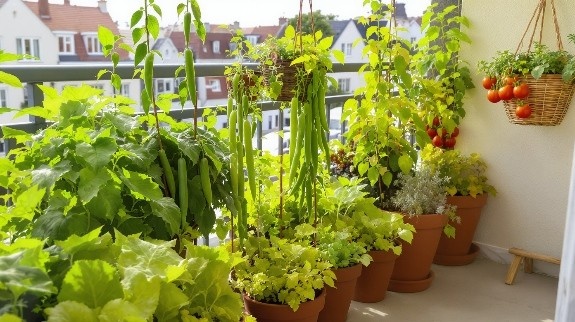
Plant vegetables in pots as they grow well, and you have some great options as
- Salad leaves
- Early potatoes
- Dwarf French beans
- Dwarf runner beans
- Small tomato varieties like ‘Tumbling Tom.’
Easiest Vegetables to Grow
Plant vegetables that are perfect for first-time gardening and are easy to grow and care for. These beginner-friendly crops provide an early yield and motivate you to continue gardening. These vegetables are as follows.
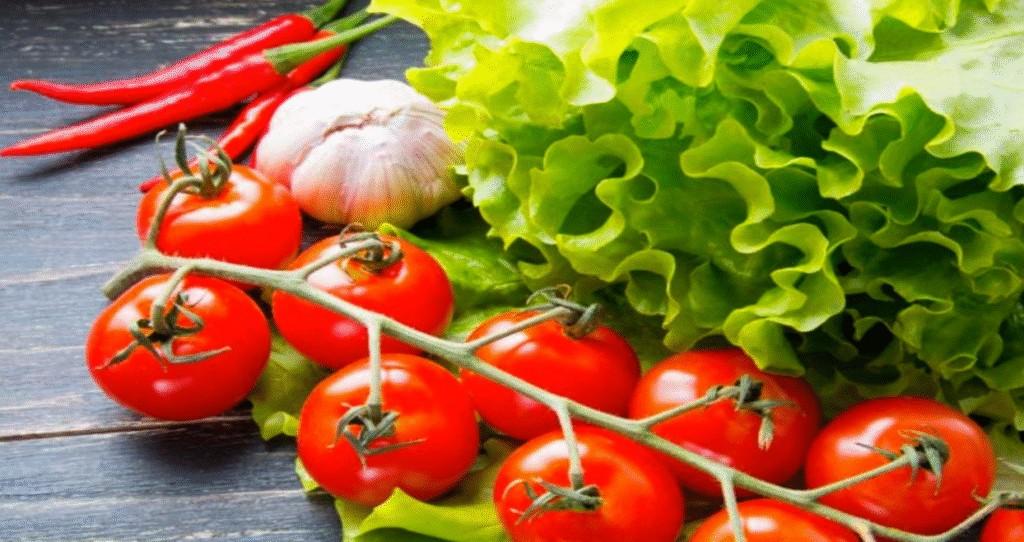
- Lettuce is the easiest vegetable to grow quickly; it doesn’t need much space, and you can harvest leaves again and again.
- Green Beans are a perfect choice to grow fast; they don’t need rich soil, and produce a yield in a short time.
- Radishes are super quick to grow. Sometimes ready in just 3–4 weeks. This veggie gives you a fast yield, builds your confidence, and motivates you to keep growing.
- Planting small tomatoes makes growing much easier. They need sunlight and will reward you with delicious, juicy fruits.
- Zucchini is a highly productive and easy-to-grow vegetable. You can grow plenty of zucchini from 2 to 3 plants.
- Starting from a small pepper plant, just like tomatoes. They are easy to grow and love a sunny spot, and give you colorful and tasty harvests.
- Beets are great for beginners, as you can use both roots and the leafy tops. They grow well in most gardens with little fuss.
- Carrots need loose soil so the roots can grow straight and long. They grow well in sandy soil and need a lot of water.
- Chard, Spinach, or Kale are leafy greens that are tough and reliable. They can grow in cool weather and keep producing yield for weeks.
- Peas grow in cool seasons. They’re easy to plant, grow faster, and taste delicious when picked fresh from the garden.
When to Plant
Not all veggies grow in all seasons; some grow in summer and some grow in winter. Lettuce, broccoli, and peas grow well in fall and spring during cool weather. Others like tomatoes, peppers, and cucumbers grow in warm soil late in summer.
Care and Tips to Plant Vegetables
Vegetables need regular care and monitoring to stay healthy, productive, and grow faster. In summer, water them regularly according to their thirst and the soil you used for your vegetables. Provide a suitable environment to plant vegetables that are your favorite.
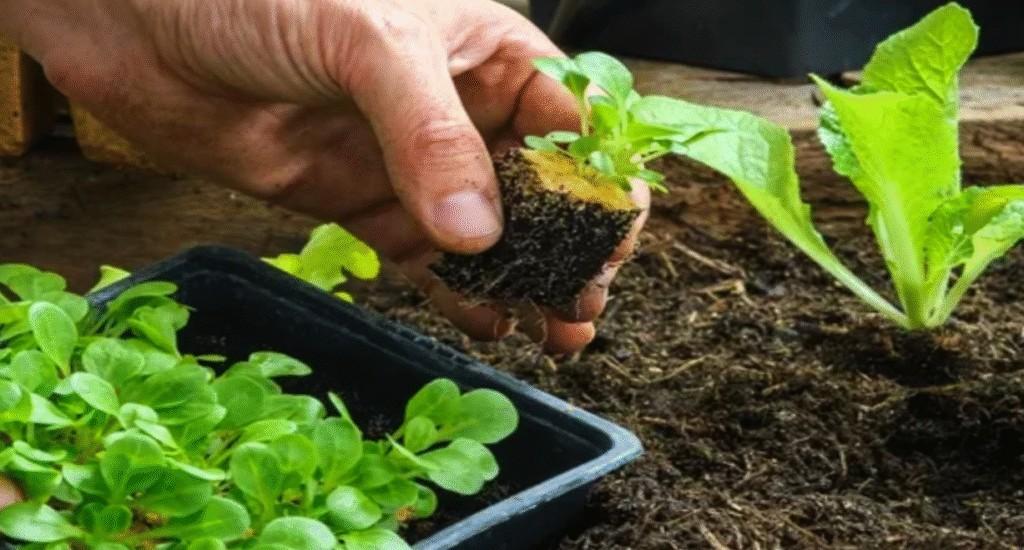
Mulching is important in caring for vegetables as it covers the soil and helps in keeping the soil moist and drained, and reduces weeds. Use good-quality seed to gain better results. You can also see the guidelines from them. Fertilize the soil as it improves the soil and helps the plants to grow well and give perfect results.
Summary
Planning a garden to plant vegetables as a beginner, grow the veggies you like to eat. The first step is to choose a spot that receives enough sunlight for your vegetables. Prepare your garden soil a few days before you plant. Prepare it with compost, and dig the soil to loosen it.
You can plant vegetables in a garden, pots, and raised beds. Choose the right vegetable, as mentioned above, according to your interests. Follow the process, and let your garden grow with you.
FAQs
What are vegetable plants?
Vegetable plants are plants that are grown mainly in a garden, containers, or as hydroponics. Vegetable plants are grown for their edible parts such as leaves, roots, flowers, and seeds.
What is the best method for growing vegetables?
Grow vegetables in the garden if you have a backyard or open soil. If you have less space, grow in containers or baskets to hang on the balcony. Vertical gardening is also perfect for a small space.
What are five vegetable plants?
Five vegetable plants that are easier for beginners to grow and give quick results in a few weeks, such as Tomato, Carrot, Spinach, Cucumber, and Potato.
What is the easiest vegetable to grow for beginners?
Many vegetables are easy to grow for beginners, but one of them is lettuce. As it doesn’t take much space, grows faster, and you can harvest leaves as well, instead of harvesting the full plant.
