
Want to plant basil in a small garden? I will walk you through how I grow bushy, flavorful basil in pots, containers, balconies, and windowsills using simple methods that work even in the smallest spaces.
Basil is one of those herbs that makes you feel like a gardening genius, even when you barely have space for a chair outside. I plant basil on tiny balconies, cramped patios, narrow window ledges, and even in hanging planters.
I have learned one thing: you don’t need a huge backyard to plant basil a ridiculous amount of basil. This culinary herb thrives in confined spaces when you plant it right, care for basil consistently, and avoid the usual mistakes that everyone repeats online.
Most competitor sites stick to the same safe advice. Full sun. Warm soil. Don’t let it flower. Sure, that stuff matters, but it barely scratches the surface. I am giving you the small-garden version. The version that works when you are dealing with shade from buildings, limited airflow, pots that dry out fast, and soil that disappears quicker than your basil pesto.
Fast growers like basil use nutrients quickly, especially if you’re watering often and snipping regularly. Basil needs feeding, especially if you want flavour-packed leaves that keep coming back.
Let’s get your tiny space bursting with basil that actually tastes like basil and not disappointment.
Basil Basic
Before we dive into planting, let’s talk basics. Basil is a tender plant in the mint family. It loves warm temperatures, hates frost, and rewards you with fragrant leaves that make any dish better. It’s one of the easiest plants to grow in a small garden because it doesn’t need much space to branch out and thrive.
My competitors go on for paragraphs explaining the history of basil. You don’t need all that right now. You just need to know this: basil grows fast, grows wide, and grows best when you keep harvesting it. That’s why it’s perfect for containers and small outdoor spaces.
Best Basil Varieties for Small Gardens
I have grown dozens of basil varieties, so I will save you the trial and error. Some basil plants spread aggressively and crowd small containers. Others stay compact and deliver amazing flavor. Here are the types I always recommend for smaller spaces.
Compact and Small-Space Friendly Varieties
These keep their shape and won’t overwhelm your pots:
- Dwarf Greek basil
- Spicy Globe basil
- Fino Verde basil
- Marseillaise Dwarf basil
They look neat and rounded, almost like tiny green domes. Perfect for small containers.
High-Yield Varieties
If you want more leaves without the plant taking over:
- Genovese basil
- Lettuce Leaf basil
- Thai basil
- Lemon basil
These grow larger but stay manageable in 8 to 12-inch pots.
What I Avoid in Small Spaces
- Giant-leaf varieties
- Columnar basils
- Fast-bolting varieties in hot climates
They get leggy and need more root space than a small garden usually allows.
Planning Your Small Garden Layout
This is where my competitors drop the ball. They talk about basil like everyone has a giant garden bed waiting. But in tiny spaces, layout is everything.
Here are layouts that work extremely well to plant basil in small areas:
- Three-pot flavor system, one pot each for sweet basil, Thai basil, and lemon basil. Variety without clutter.
- One square foot basil patch, three plants in a single square foot. It looks full, grows fast, and stays tidy.
- Balcony Railing Setup, narrow railing planter filled with dwarf basil varieties. Saves ground space entirely.
- Kitchen windowsill herb garden, small pots lined up for fresh basil at arm’s reach.
Best companion plants for tight spots, basil grows amazingly well with:
- Cherry tomatoes
- Peppers
- Marigolds
In small gardens, these combos save space and boost flavor.
Grow Basil in a Pot
Let’s cover the small-garden version of planting basil in pots.
Choose the Right Container
If your pot is too small or shallow, basil dries out and struggles. Here’s what I use:
- Minimum pot: 6 inches
- Ideal pot: 8 to 10 inches
- Extra-large pot for heavy feeders: 12 inches
Always choose pots with drainage holes.
Best Soil Mix
If you’re planning to plant basil outside or in a greenhouse, then a decent compost will be fine. For indoors, use something that will keep the gnats at arm’s length, like coconut coir and perlite. And I’m using Cypotanica’s universal mix.
Basil is a culinary herb that loves loose, nutrient-rich soil. My standard mix includes:
- Quality potting soil
- Compost
- A handful of perlite or pumice
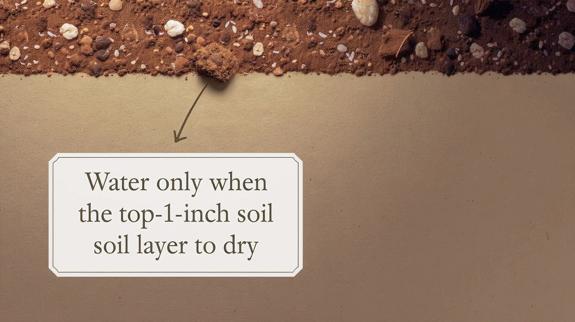
Container soil should feel light and airy. Heavy soil suffocates roots, which most websites gloss over.
Planting Tips
If you use seeds, barely cover them. Basil seeds germinate fast if they get warmth and light. If you’re using starter plants, loosen the roots gently before planting.
Water well before and after you transplant basil. This reduces shock and helps the tender plant adjust to a container environment.
Growing Basil in a Container
Sunlight Needs
Basil grows best with 6 to 8 hours of full sun. In small gardens where the sun is blocked, I do the following:
- Rotate the pot each week
- Place basil near reflective surfaces like light walls
- Use morning sun if the afternoon heat is too harsh
Partial sun is fine for compact varieties.
Watering Routine
All you need to do is take the bit you pruned off, ideally a stem with a couple of sets of leaves, and pop it in a glass of water. That’s it. No rooting hormone, no fancy gear, just good old tap water. Pots dry out fast. That’s why your basil wilts even if you water often. Here’s my method:
- Water when the top inch of soil is dry
- Water in the morning
- Use deep pots to retain moisture
- Avoid overwatering
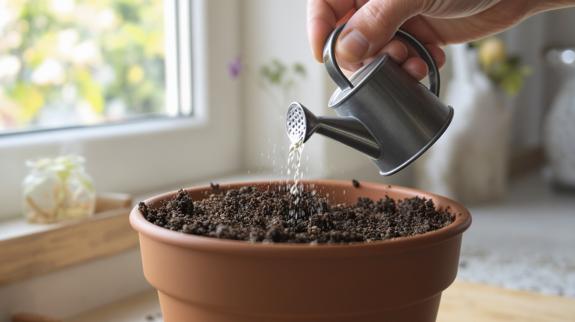
Overwatering causes more problems than underwatering.
Feeding Basil
My competitors say basil is a “light feeder.” Sure, outdoors in rich soil. But container basil needs steady nutrients.
I feed mine every two weeks with diluted liquid fertilizer. I also sprinkle compost on top once a month.
Growing Basil From Seed
Pot each seedling up into something small, but decent. Not massive like a bucket, but big enough for the roots to stretch out into. Actually, a pot the size the basil already came in should do the trick. Do make sure any pot you use has drainage holes or all of this will be for now.
Once the seedlings are nicely potted up, give them a further drink so the soil is evenly moist and water’s coming out of the bottom. Then pop it somewhere bright and warm. A sunny windowsill is great or outdoors if it’s warm enough.
First step, how I start seeds:
- Sprinkle seeds on moist soil
- Press them lightly
- Mist with water
- Keep warm
They sprout in 5 to 7 days. Seedlings love warmth, so avoid cold windowsills early on.
Second step, transplanting seedlings: Move seedlings outside only after frost. Basil is a tender plant and reacts dramatically to cold temperatures.
Give each plant 6 to 12 inches of space in containers. If they’re too close, they will compete for nutrients and stay small.
Care for Basil
A south-facing window is a good start. East or west can work, but north-facing will be a struggle. A grow light can help, especially in winter.
Unless your window gets direct sun for most of the day, it’s just not enough. Basil wants at least six hours of proper sunlight a day. Without it, the plant starts stretching and becomes tall and leggy with tiny leaves.
If you’re growing basil indoors, try to keep it away from cold spots like windowsills at night, and avoid radiators that switch on and off.
A balanced liquid fertilizer works fine. Yellowing leaves or slow growth can signal hunger. Just don’t overdo it, or the leaves may become bitter or attract pests.
Pruning is what makes basil explode with growth. Wait until the plant reaches 6 inches, cut above a pair of leaves, remove flowering tips and repeat weekly.
If you don’t prune basil, it gets tall and thin instead of full and lush.
Flowering slows down leaf production. I pinch off flower buds as soon as I see them.
If your basil grows in a hot climate or gets stressed, it will try to flower early. Harvesting regularly keeps it in leafy mode.
Basil Plant Indoor
Tips for growing basil indoors:
- Choose a sunny window with at least 5 hours of light
- Use a grow light if needed
- Avoid cold drafts
- Keep soil evenly moist
Indoor basil grows more slowly but tastes just as good. I treat indoor basil like a roommate that needs regular attention but gives back more than it takes.
Some people prefer starting basil indoors before moving it outside. Here’s how I do it:
- Use small pots with drainage
- Keep seeds warm
- Rotate pots for even growth
- Harden off seedlings before moving outdoors
Starting basil indoors gives you a head start on the season.
Grow Basil From Cuttings
If you have never done this, prepare to be amazed. Cuttings root quickly.
My Method
- Take a 4-inch cutting below a leaf node
- Remove the bottom leaves
- Put in a glass of water
- Roots appear in about a week
- Plant in a pot once the roots reach an inch
It’s the easiest way to multiply your basil without buying more seeds.
Basil Growing Problems in Small Gardens
Here are the most common issues I see people struggle with:
Yellow leaves: Usually caused by overwatering. Let the soil dry out slightly.
Wilted leaves: Often underwatering or heat stress. Move the pot to the morning sun.
Brown or black leaves: Cold damage. Bring basil indoors during cold nights.
Holes in leaves: Slugs, grasshoppers, beetles, or aphids. Use insecticidal soap.
Spots on leaves: Fungal issues. Improve airflow and avoid overhead watering.
Summary
Basil is a sun lover. Think Mediterranean courtyard, not gloomy corner of your kitchen. One of the main reasons basil plants die indoors is a lack of proper light.
Most people wait until the plant looks full and then start picking off the biggest leaves one by one. Just whatever looks tasty at the time, right? If you want your basil to stay bushy and productive, then you can’t just pick the leaves. You’ve actually got to prune it. Now, this might sound like a bit of a faff, but I promise it makes a huge difference.
Basil is a thirsty boy, especially when it’s getting plenty of light and warmth. The more it grows, the more water it wants, and if it dries out too much, it throws a tantrum.
Water regularly but check the soil first. Use a moisture meter if needed. Give it a proper soak but don’t let it sit in soggy soil.
FAQs
What is the best way to plant basil?
Use a well-draining pot, quality soil, and a sunny spot. Keep the soil lightly moist and prune early for a fuller plant.
Does basil like full sun or shade?
Basil thrives in full sun, ideally getting at least 6 hours of direct sunlight daily. Too much shade makes it grow leggy, weak, and with smaller, less flavorful leaves.
Does basil like full sun or shade?
Basil prefers full sun, at least six hours daily. Afternoon shade helps in very hot climates.
Does basil come back every year?
Most basil varieties are annuals, so you’ll need to replant them each year unless you live in a warm tropical climate.
