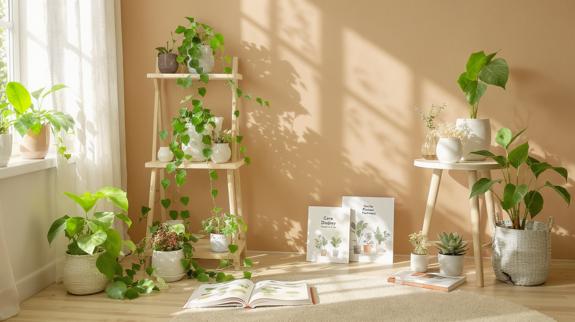
Looking for greenery that never fails? Pothos is the stellar houseplant that grows with style and ease. You will learn how to boost the growth of your indoor plants. Dive into our guide to choose the perfect variety of indoor pothos for your small garden, and it will leave no confusion in choosing the best according to your interests.
Pothos are one of the simplest and popular houseplants to maintain. A question can be raised: why are they always popular? They thrive indoors, in low light, can bear neglect, and can tolerate a variety of lighting conditions.
One of the most important reasons for selecting or choosing pothos is that they are vining plants to be planted in pots and baskets. Indoors, they are grown as trailing plants, but we can train them to climb on supports.
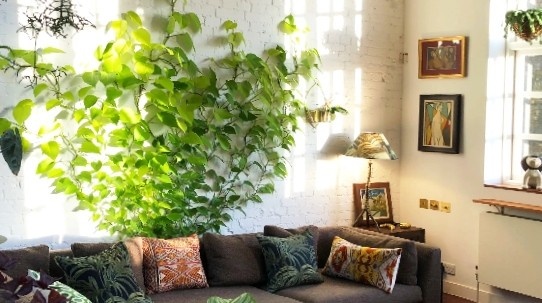
Despite all of this, pothos can live 10 years if you take proper care of them. Here we will discuss and highlight some of the tips for you to follow and decorate your small garden with these captivating plants.
Types of Pothos
All pothos varieties have one thing in common: they make stellar houseplants. They are a perfect choice for hanging baskets and low light. These plants are popular for their trailing vines and bright, glossy, heart-shaped leaves. These are easy to care for, and they are perfect for decoration and as an air purifier. Few varieties are discussed here,
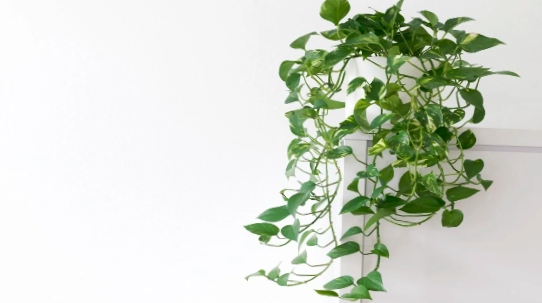
Golden Pothos
Being the most common of all plant types, Golden Pothos is a classic and easy to find. They have green heart-shaped leaves with yellow variegation. This evergreen plant is one of the most popular houseplants due to its distinctive appearance, rapid growth, and it also works like an air purifier.
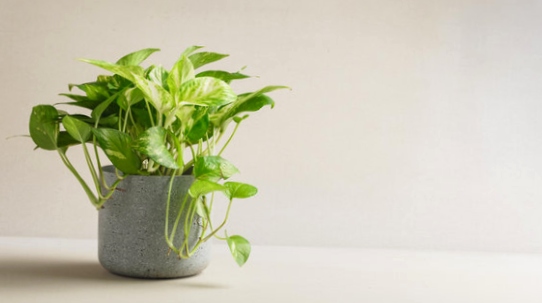
Neon Pothos
The leaves look bright green-yellow and lime green, since its name is Neon Pothos. They grow well in bright light, and leaves become that distinctive, eye-catching neon color. Leaves become dark and dull in less light. This is a low-maintenance houseplant that needs moist but well-draining soil and average-to-high humidity levels.

Jessenia Pothos
Jessenia has light green leaves streaked with chartreuse or light green variegation. It does well in medium to bright light and can also survive in dim light under certain conditions. It is one of the fastest-growing varieties that you can grow in hanging baskets and pots.
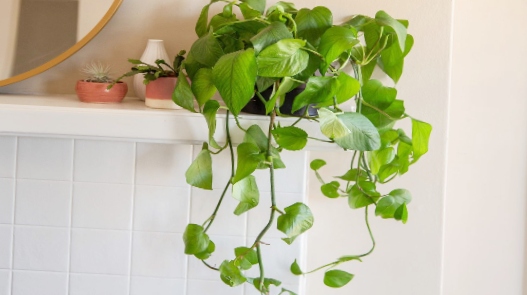
N’Joy Pothos
N’Joy has heavily variegated, light green leaves that are heavily flecked with white. They are loved for their colorful leaves and vining habit. Like other types, it is also low-maintenance and easy to grow indoors. It also looks great in hanging baskets. This plant can survive in a variety of conditions.
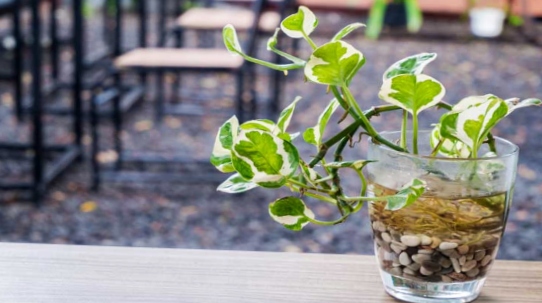
Potting Pothos Plants
Grow Pothos right near the window where it gets bright indirect light and avoid cold drafts.
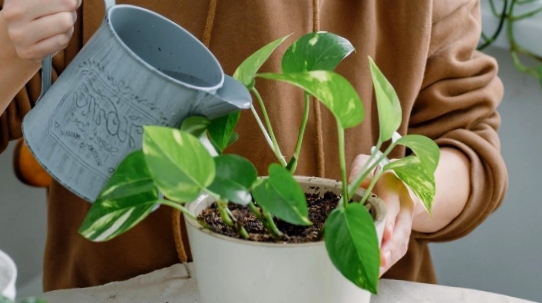
Some tips and steps for planting in a pot or container
- A pot with a diameter of 1-2 inches or slightly deeper is best for potting.
- They grow well in rich and well-drained soil that has a slightly acidic pH from 6.1 to 6.5, but they can also survive in slightly above and below pH values.
- Use fresh potting soil for planting.
- While planting, be sure to press the soil gently to remove air pockets in the soil.
- Also, make a drainage hole at the bottom.
- The right space for these plants is the bathroom if you are not living in a humid climate.
Propagating Pothos
Propagation means creating a new plant from the parent plant. Propagating a pothos plant is simple, easy, and also fun to expand plants without any cost. The time to propagate plants is in spring or during their growing season. We can propagate plants in soil as well as water.
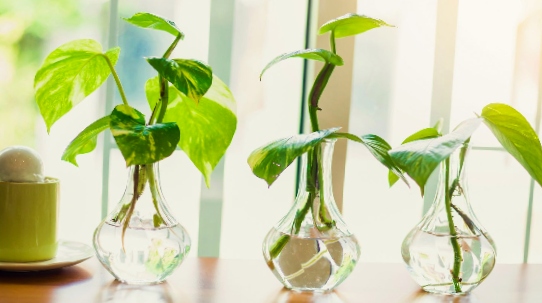
There are two methods by which you can propagate your plant and share it with your friends to start their own indoor pothos.
By cutting: You have to find a stem with 2 to 3 nodes and leaves, and cut it with sharp scissors. Remove the leaves from the end point that we put in water or soil.
By division: Take the pothos plant out of the spot, separate the roots at the stem, and plant them again separately at the same depth as before.
Care for Pothos Plants
If you are having pothos or any of its varieties, you have to follow some tips and guidelines, tricks up your sleeves. These plants live an average of five to 10 years, but with minimal regular care, can live much longer.
- The pothos plant needs well-drained and rich soil.
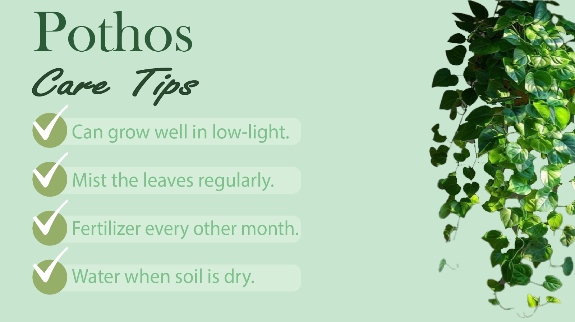
- Provide indirect light, medium to high light for better and faster growth.
- Allow soil to dry out completely between waterings.
- Provide balanced houseplant fertilizer monthly during spring and summer.
- This isn’t a big deal when it comes to care. They tolerate a wide range of temperatures, ranging from about 50°F. Like other tropical plants, they love humidity and a temperature of 60 to 75°F.
- Brown spots on plants often signal care or environmental issues.
- Feed with balanced houseplant fertilizer monthly during spring and summer.
Common Problems With Pothos
Pothos are classic houseplants and a beginning for a gardener’s dream, but easy to grow doesn’t mean they are not prone to disease.
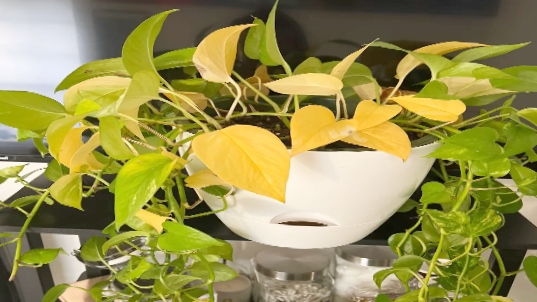
Here, we discuss some common issues and their cause.
- A plant with a brown spot means your plant isn’t getting the proper care and growing conditions.
- Browning leaves can be caused by either too little light or overwatering. Brown leaves that are dry and crispy are caused by underwatering or a lack of humidity.
- Low light can also cause fading foliage color.
- Leaves Turning Yellow can be caused by overwatering, or a bacterial or fungal disease may be the cause.
- Drooping Leaves or brown tips are signs that the plant is stressed, often by a lack of water. Droopy leaves can also be a symptom of the plant being pot-bound or affected by a disease. Brown tips of leaves have a different cause than brown spots.
- Blackened leaves and little or no growth can be a result of cold temperatures.
- Pests can include mealybugs or scale. Wipe affected areas with a cotton ball dipped in 70% rubbing alcohol or apply insecticidal soap.
- If the soil remains too wet over a period of time, it may attract fungus gnats. Allow soil to dry out between waterings to deter gnats.
- If you are growing a variegated variety, Low light makes variegated pothos produce more chlorophyll, which can cause your plant’s leaves to turn greener and lose their patterns. These plant needs balanced indirect light.
Pothos Display Ideas
Plating pothos can be some kind of skill or years of experience, but planting them according to your limited space or your home is important too. Here we will arrange our eye-catching plants to look more attractive and make the home or indoors more beautiful.
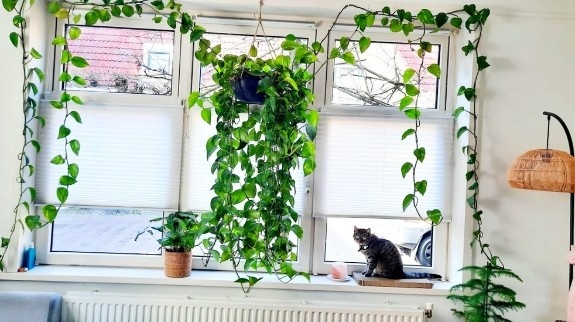
Let it Trail
- You can plant on shelves, cupboards, or baskets and let vines spill down.
- You can hang them on the window or the ceiling.
- They work beautifully in bedrooms, kitchens, or on a balcony as an air purifier.
Let it climb
- You can also train them to climb on bamboo stakes or totems for vertical growth. It works best for a small garden.
- You can grow them in wall trellises for a green wall effect.
Unique Indoor Ideas
- I plant my plants across my wall mirror and windows to work like a frame. You can also display them in the corner standing trellis.
- You can also combine multiple varieties to give a dramatic view.
Summary
Pothos is a low-maintenance indoor plant perfect for small gardens, as it thrives in low light and tolerates neglect. wide varieties exist, such as Golden, Neon, Jessenia, and N’Joy, each with unique and beautiful leaf colors and patterns.
For best results, plant them in well-draining soil, slightly acidic soil with bright, indirect light. They can be easily propagated by cuttings or root division. With proper care, balanced fertilizer, watering from time to time, and humidity.
Pothos can live 10 years with proper care and tips. But make sure to avoid the issues discussed above for a healthy plant. Common issues include yellowing, browning, pests, and fading colors from poor light. Display ideas include letting vines trail, climb on stakes or trellises, or using creative indoor arrangements.
FAQs
Why is pothos called a money plant?
Pothos is called the money plant due to its ability to propagate. One plant can be propagated into many plants through cutting and division.
Do pothos prefer sun or shade?
Pothos prefer bright indirect sunlight from medium to high, but they can tolerate medium to low light.
What are the downsides of pothos?
Pothos has a few downsides; it’s toxic to pets and humans because its roots, stem, and leaves contain calcium oxalate that can irritate the skin and oral and digestive tracts.
Does pothos purify air?
Yes, pothos can help purify indoor air by removing or absorbing toxins. NASA highlighted this plant in a clean air study as a natural air cleaner.
