
Have you ever wanted a plant that looks like living art but doesn’t need constant care? Let me introduce you to my favorite, the Tillandsia Xerographica, also known as the “Queen of Air Plants.” I have one sitting on my small balcony, and honestly, it’s a showstopper. Its soft silver curls and elegant, sculptural form catch everyone’s eye, and the best part is. It thrives with almost no fuss.
Tillandsia Xerographica grows high in the dry forests of Central America and southern Mexico, clinging to trees where it enjoys bright light and warm air. That’s why it does so well in hot, dry places. Mine loves the sunlight and dry air, and it only needs an occasional misting to stay happy.

What makes this plant so special is its versatility. It doesn’t need soil at all. You can hang it, mount it on wood, or place it in a decorative bowl; it fits anywhere. I’ve used it in my small garden setup alongside tiny succulents and bromeliads, and it instantly gives that lush, tropical vibe without taking up space.
If you’re short on room but love stylish, low-maintenance plants, you’ll adore the Tillandsia Xerographica. In this guide, I’ll share not just how to care for it but also how to style it beautifully in compact garden spaces, just like I do at home.
Care For Tillandsia Xerographica
Caring for air plants like the Tillandsia xerographica isn’t just about keeping them alive; it’s about finding creative ways to make them fit beautifully into your lifestyle and space. Most guides will tell you how to water or light them.
But I’ll also show you how to blend them into small garden layouts, design vertical displays, and pair them with other compact, low-maintenance plants. Whether your home faces the heat or you simply want a green corner that’s easy to care for, this section will help you grow and style your air plants with confidence.

You know, one of my absolute favorite air plants to work with, especially in small gardens, is the Tillandsia Xerographica. I’ve used it in hanging displays, on wooden mounts, and even in glass bowls on tiny balconies. It’s amazing how this single plant can bring a soft, sculptural beauty to any corner without needing much space or soil.
When caring for your Tillandsia xerographica, light is everything. I’ve found that bright, indirect sunlight keeps it happiest; too much direct sun can dry the leaves, while too little can dull their color.
Every week or two, I give mine a good soak for about 20 to 30 minutes, then shake off the extra water so it doesn’t sit damp. In hot or dry climates, misting once a week helps keep humidity balanced.
Warm temperatures and good air circulation are key; think of the gentle breeze it would get in its natural habitat.
Tillandsia Xerographica Light Requirements
When I first started experimenting with Tillandsia Xerographica, I quickly realized how much light plays a role in keeping it happy. Unlike soil-based plants, air plants absorb moisture and nutrients directly through their leaves, so the right balance of light and air circulation is everything.
In my experience, Tillandsia Xerographica loves bright, indirect sunlight. I’ve placed mine near a south-facing window where it receives filtered light for most of the day. Direct, harsh sunlight, especially in a hot, arid climate, can scorch the delicate leaves.
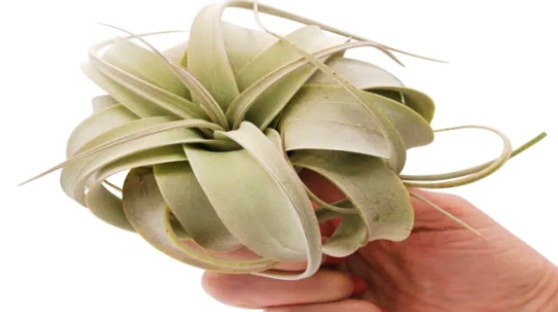
If your garden setup is outdoors, partial shade or dappled sunlight under a pergola or tree canopy works best. For small outdoor gardens, combining air plants with succulents or cacti in a shaded area gives a modern, low-maintenance look.
In a hot climate, I recommend morning sunlight and afternoon shade to protect the plants from excessive heat. Indoors, group your air plants near bright windows and mist them lightly every few days to maintain humidity.
In our local, dry conditions, the key is balancing bright light with moisture. I soak my air plants once a week for 20 to 30 minutes, then let them dry completely before putting them back on display.

After that, I give them a quick mist every other day if the air feels too dry. This routine keeps my Tillandsia Xerographica lush and silvery without rot or dehydration.
How To Water Tillandsia Xerographica
Tillandsia Xerographica, watering these beautiful, sculptural air plants isn’t as straightforward as it seems. Unlike typical potted plants, air plants don’t have soil to retain moisture, so their watering method and frequency make all the difference between a thriving display and a wilted one.
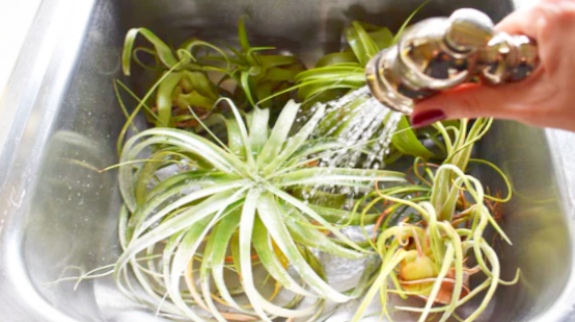
Air plants absorb water through their leaves rather than roots, so humidity and airflow matter as much as the water itself. In a hot, arid climate, where the air is dry and temperatures soar, air plants need a bit more attention to hydration than they would in coastal or humid regions.
I’ve found that a deep soak every 7 to 10 days works best here. Watering air plants, simply fill a bowl or sink with room-temperature water and submerge your air plants for about 20 to 30 minutes. This method ensures the tiny scales on the leaves have enough time to absorb moisture fully.
Tips to Prevent Rot
After soaking, shake off any excess water gently and place the plants upside down on a towel for at least an hour. This drying step is essential; it prevents water from collecting in the base of the leaves, which is the most common cause of rot.

After every soak or mist, always let your plants dry completely before returning them to enclosed displays like glass terrariums. I’ve learned to place mine near a window or under a ceiling fan for good airflow; it makes a noticeable difference.
Humidity and Temperature
When I began exploring ways to grow air plants in my small garden, Tillandsia xerographica immediately stood out for its striking beauty and resilience. Over time, I discovered that mastering the balance of humidity and temperature is what truly makes these plants flourish, particularly in hot, arid regions.
Tillandsia xerographica doesn’t rely on soil; it gathers all its hydration from the surrounding air and periodic watering. Through trial and error, I found that while this plant enjoys warmth ideally between 20–32°C, it can struggle when humidity levels fall too low.
To counter that, I began misting my plants lightly every other day and giving them a deeper soak once a week during the cooler hours of the morning. This helps maintain hydration without exposing the plants to harsh midday heat.
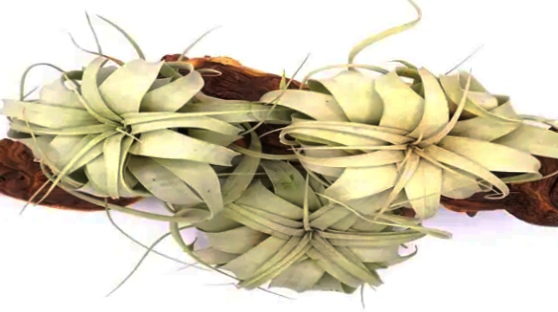
For compact or vertical garden designs, air plants are incredibly versatile. Tillandsia xerographica, in particular, looks stunning when mounted on driftwood, displayed in hanging glass globes, or arranged in shallow containers filled with stones or shells.
In arid environments, I recommend using porous materials like cork or wood for mounting, as they don’t retain heat or moisture excessively, thereby maintaining a balanced environment for the plant.
Fertilizing and Care
Fertilizing and caring for Tillandsia Xerographica is simpler than most people think; it’s all about giving the right balance of light, moisture, and nutrients. From my own experience growing these stunning air plants in a hot, arid climate, I’ve learned that moderation is key.

Air plants don’t grow in soil, so they absorb nutrients through their leaves. I like to feed mine with a diluted bromeliad or air plant fertilizer once every 2 to 4 weeks during the growing season.
Mix the fertilizer in water and use it while soaking or misting the plants. This keeps them vibrant without overwhelming their delicate structure. For compact gardens or vertical displays, regular light feeding ensures your Tillandsia Xerographica stays lush even in minimal space.
In our climate, I prefer feeding early in the morning or late evening, when temperatures are cooler. This helps the plant absorb nutrients before the water evaporates too quickly. Avoid fertilizing too often, as buildup can harm the plant.
Brown Tips
Brown tips on Tillandsia Xerographica often signal stress from low humidity, overexposure to sunlight, or insufficient watering. I’ve noticed this in a hot, arid climate: air plants dry quickly.

Corrective measures include gentle soaking weekly, misting in between, and providing indirect light. Integrating them into shaded vertical displays helps maintain moisture and prevent tip browning effectively.
Flower blooming
Tillandsia Xerographica blooms are a stunning reward for patient care. Expect flowering after several months of growth, usually in warmer months. The blossoms often show soft lavender or pink tones, adding delicate color to compact garden displays.
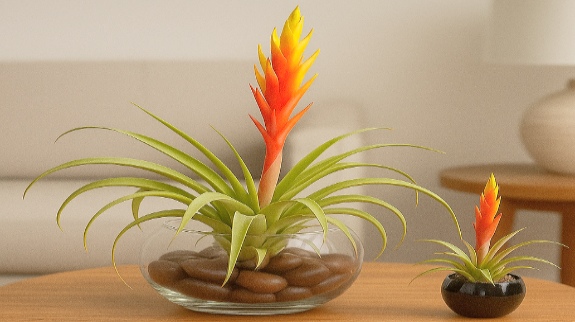
In a hot, arid climate, ensure bright light, airflow, and light misting for the best flowering results.
Integrating Into Small Gardens
Integrating air plants like Tillandsia Xerographica into small gardens can transform limited spaces into lush, modern retreats. I combine multiple plants in vertical displays and creative container arrangements that maximize space beautifully. These air plants thrive with minimal soil, making them perfect for hot, arid climates.
I’ve found that grouping them with other low-maintenance plants not only adds texture but also simplifies care. Just follow proper watering, soaking, and light instructions to keep everything healthy and vibrant.
Summary
In my journey with Tillandsia Xerographica, the “Queen of Air Plants,” I’ve learned how beautifully it fits into small spaces while staying low-maintenance. From understanding its light, watering, and humidity needs to styling it in vertical or container gardens, this plant adapts effortlessly.
I have shared how to soak, mist, and dry it properly, prevent rot, and maintain ideal warmth in hot, arid climates. We’ve also explored fertilizing tips, handling brown tips, and encouraging its gorgeous blooms.
Whether you hang it, mount it, or group it with succulents, Tillandsia Xerographica adds natural elegance and resilience to any compact garden.
FAQs
How do you care for Tillandsia Xerographica?
Caring for Tillandsia Xerographica is all about balance, bright, indirect light, good air circulation, and weekly soaking for 20 to 30 minutes. After watering, let it dry completely to prevent rot, and mist lightly between soakings in hot, dry weather.
What is the lifespan of Xerographica?
With proper care, my Tillandsia Xerographica has lasted for years. These plants can live up to 20 years or more, slowly growing and rewarding you with stunning blooms once mature.
Is Tillandsia an indoor plant?
Absolutely, I keep mine both indoors and outdoors. Indoors, it thrives near bright windows with good airflow; outdoors, it loves shaded or filtered sunlight.
How much light does Xerographica need?
In my setup, bright, indirect light works best. I give it morning sun and protect it from harsh afternoon rays, too much direct sunlight can dry or scorch the leaves.
