
A lot of people out there think that they need a huge space to grow their very own garden, but that’s simply not true because a container plant makes small-space gardening possible. No matter where you live or how much space you have or what your means are, any single person can start their own container garden just like this.
You can grow a wide variety of fruits, vegetables, fruit trees, flowers, herbs, and everything in between. By the end of this article, the goal is that you will be able to choose which container plant is best for you, from sunny areas to shady areas, the best possible soil, and how to fertilize, water, and care for those plants long-term.
Why Use Container Plants
Container gardening is one of the smartest choices for tiny spaces. Containers give us creative freedom. They let us change layouts without digging. They make it easy to grow plants that might not thrive in native soil. They also help us solve design problems like bare corners, awkward edges, or missing height.
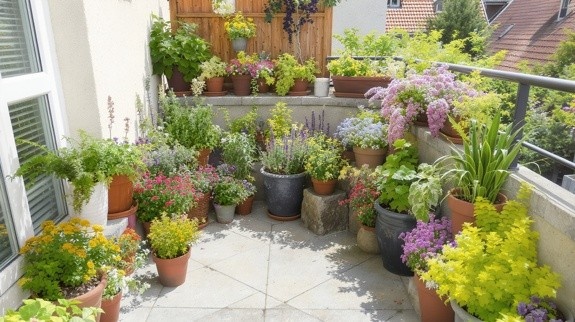
Here are some benefits that matter most in small spaces:
Better space management: Containers let us place plants exactly where we want them, even when there is no open ground available.
More control over soil: Instead of fighting heavy clay or sandy soil, we pick the perfect potting mix for our plants.
Design flexibility: We can combine colors, foliage plants, textures, and heights to create stunning container gardens that feel intentional.
Seasonal variety: We rotate our plants as often as we like. You can keep a small garden interesting all year.
Great for renters: We take our plants with us. No long-term in-ground commitment required.
Best Container Plants
We looked closely at performance, maintenance, and visual impact. These categories work beautifully in small spaces. If you want to add character to your home and garden, here are some of the best architectural plants to grow in containers for a bold look.
Juniper: If you live in an arid area and want to add a quick-growing evergreen to your home, consider the juniper. This tree bears foliage of intriguing textures and colors, including different shades of green, golden, bronze, purple, silver, and gray.
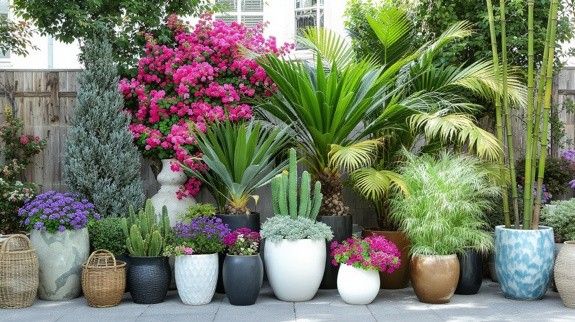
Bougainvillea: Though it is famous as a climber, it will look equally good in large containers. Keep it trimmed or provide support so that it can climb and showcase its fantastic flowers.
Cactus: Don’t think that cacti are only meant for small spaces and pots. They also come in tall varieties that you can grow in architectural planters for a dramatic look.
Palms: Before you plan to grow palms in pots, remember that not all palms do well in containers. Chinese fan, Mexican blue, Bismarck, and lipstick palms are the best ones you can grow.
Rose: One of the most versatile plants on this list, roses come in so many colors that there’s one for everyone. You can choose to grow climbing or tall varieties depending on your requirements.
Yucca: A mainstay in contemporary gardens, yucca is one of the best architectural plants with evergreen spiky leaves. Being drought-resistant, they’re easy to grow indoors as well.
Sea holly: Sea holly adds spiky texture and color to your patio pots and perennial garden. Its distinctive thistle-like stems are drought-tolerant, making them perfect for rock gardens.
Ornamental grass: Prized for their unique texture, height, and color, ornamental grasses are a wonderful addition to any landscape. As they tend to get invasive, they are well-suited for container culture.
Yews: Yews are aesthetically pleasing, slow-growing conifers that can be grown as a container centerpiece or privacy screen. If you’re looking for a gorgeous privacy screen, consider the English yew.
Honey bush: Native to South Africa, honey bush is an attractive perennial shrub with icy green frond-like leaves and sprays of burgundy flowers that lure swarms of bees and birds searching for nectar.
Calathea: Calatheas are best suited for the tropics and hardy enough to survive temperatures as low as 15°F. Use large planters and pair them with bright-colored and textured succulents to create a visually dynamic and elegant container garden.
Horsetail: Horsetail is a perennial water-loving plant that’s typically grown to add an edgy look to a landscape. While it grows quickly to about 4 feet tall, it also spreads underground if not contained.
New Zealand flax: A hardy little perennial with bold sword-like leaves, New Zealand flax is adapted to mild climates. In decorative pots, it becomes a wonderful focal point.
Bamboo: Famous for taking over gardens with their invasive underground rhizomes, bamboos are finicky plants to grow in containers. They demand root space and lots of care, but with the right variety, big containers, and good potting soil, it becomes easy enough.
Firecracker plant: The firecracker plant looks smashing with its green needle-like foliage and red flowers. Grow it in tall planters on the patio for the best display.
Plumeria: Also popular as frangipani, this plant gives a mini tree-like appearance, making it perfect for large containers. Its fragrant flowers add a stunning dimension to the garden.
Hydrangea: The colorful and large hydrangea flowers are a must-have in any garden. The plant thrives in large pots and fills them with magnificent blooms in no time.
Cypress: Coming in many colors, shapes, and textures, cypress in pots can be a wonderful addition to any garden. Grow it in straight or staggered rows for the best display.
Clematis: One large planter and clematis are all you need on a patio for stunning decor. Betty Corning, Black Prince, and Pink Champagne are the best varieties for containers.
Boxwood: This pretty green shrub will happily add rich green color to your garden all year round. Grow them together and trim them into round shapes for a beautiful display.
Red twig dogwood: With a tall layering of prostrate stems, this plant is a must-have for a patio or front yard. Pair it with industrial planters to make it more appealing.
Coral bells: Coral bells are the plant of choice if you live in a colder climate. They thrive in containers while looking fantastic all the time.
Chinese fringe flower: The dark maroon-red foliage of Chinese fringe flower looks striking in tall light-colored planters. Add multiple containers along a walkway for a bold visual effect.
Thuja: This evergreen plant is the easiest way to add a strong green element to any space. You can also trim it into various shapes and sizes.
Hosta: The variegated foliage of hosta can add a striking look to any landscape. For the best display, team it up with flowers and grow it in a large container.
Japanese banana tree: For containers, choose the Japanese banana tree if you want a lush tropical look. Its enormous paddle-like leaves look great, and the fruits are a bonus if you live in a tropical climate. You can grow any variety if your climate allows.
Low-Maintenance Outdoor Potted Plants All Year
If we want a small garden that looks good with minimal effort, these reliable outdoor choices are ideal.
- Heuchera for evergreen foliage in rich colors
- Skimmia for year-round structure and winter berries
- Evergreen grasses like Pennisetum or Carex
- Dwarf conifers for structure and height
These plants hold shape well and keep the garden feeling alive even when flowers fade.
Sunny Potted Plants
Sun-loving container plants bring bold color to small patios and courtyards.
- Petunias and million bells for nonstop flowers
- Lantana for heat tolerance
- Geraniums for bright, reliable blooms
- Rosemary or lavender for fragrance and structure
These options thrive in bright conditions and pair well with thriller-filler-spiller designs.
Shady Potted Plants
Shade does not mean boring. We can display gorgeous, shady potted plants with texture.
- Hostas for bold leaves
- Ferns for softness
- Impatiens for long-lasting color
- Heuchera again for colorful foliage
Shade gardens often rely on leaf shape, not flowers, to make a statement.
Tips for Growing and Maintaining Plants in Containers
Growing plants in containers requires a slightly different approach compared to in-ground planting. These tips come straight from expert practice.
- Use Quality Potting Mix. Garden soil compacts in containers. A good potting mix stays loose, drains well, and supports healthy roots.
- Pick the Right Size Container. Roots need space to grow. A too-small container stresses the plant. A too-large container may hold too much water. Match pot size to plant maturity.
- Water Consistently. Containers dry quickly. We water deeply when the top inch of soil feels dry. Hot days may require daily watering.
- Frequent watering leaches nutrients. Use slow-release fertilizer or liquid feed every few weeks to keep plants strong.
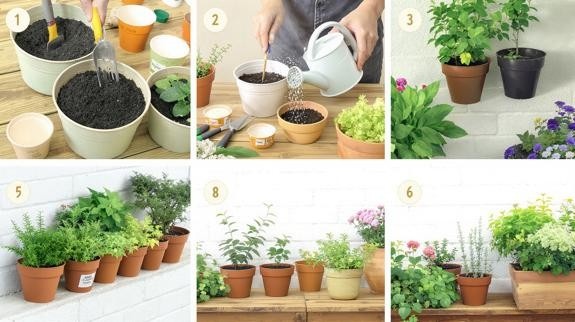
- Rotate Plants for Even Growth. Light patterns change through the season. Rotating containers keeps plants growing evenly.
- Keep Deadheading and Pruning Simple. Remove spent blooms to encourage new waves of flowers. Trim leggy plants to maintain shape.
- Check for Pests Often. Container plants are easy to inspect. Look under leaves, along stems, and around soil surfaces.
- Old soil can harbor disease. Refresh soil and wash containers before replanting.
- Move delicate plants to sheltered areas to prevent cold damage.
- If roots push against container walls or soil dries too fast, it’s time to repot.
Summary
Container plants turn small gardens into vibrant, flexible, and highly personal spaces. We get to play with color, experiment with design, and grow almost anything we want with far less effort than in traditional garden beds. By choosing the right plants, using smart container planting ideas, and keeping maintenance simple, we can create a stunning container garden that feels full of life all year.
At the end, we know how to choose containers, how to select soil, what plants to grow, how to pot annuals and perennials, how to mulch, water, support, and fertilize long-term. This foundation should make anyone confident that they can grow whatever they want in containers. You don’t need access to the ground. Containers are an accessible, flexible option for everyone.
FAQs
What is a container plant?
A container plant is any plant grown in a pot or planter instead of the ground. It can be decorative, edible, or structural, and works well in small gardens.
What is the best plant for a container?
The best plant depends on your sunlight and climate. For small gardens, compact shrubs, herbs, flowers, and foliage plants offer great performance with low maintenance.
What is the most common mistake made with container plants?
Overwatering or underwatering is the most common issue. Containers dry out quickly but can also hold too much water if the drainage is poor.
Can you grow in containers?
Yes. Almost anything can be grown in a container as long as the pot is the right size, the soil drains well, and the plant receives proper care.
