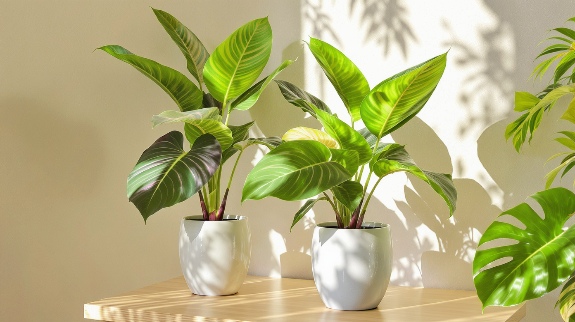
If you’re dreaming of a statement plant that’s both stunning and surprisingly easy to care for, the Rubber Plant (Ficus elastica) might just be your new green best friend.
Whether you have a tiny balcony, a compact courtyard, or a cozy indoor corner that craves a touch of drama, this plant’s glossy leaves and forgiving nature make it a perfect choice. Let’s walk through everything you need to know, from planting to pruning, to make your Plant thrive beautifully in your small garden or home.
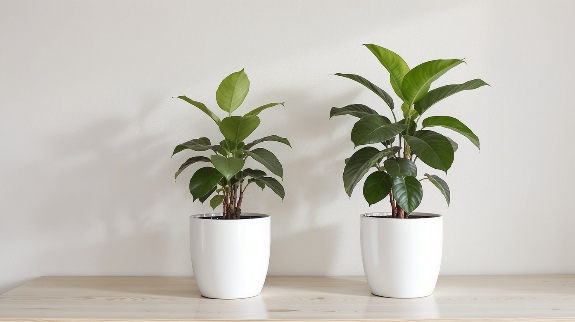
Native to the tropical forests of Southeast Asia, this beauty is part of the Moraceae family, the same one that gives us the fiddle-leaf and weeping figs. You might also hear it called the Indian Rubber Tree, Rubber Fig, or Rubber Bush.
What really makes it stand out are those big, glossy leaves that almost look polished, sometimes deep green, sometimes burgundy, or even variegated with creamy patterns.
Indoors, it grows about one to two feet a year, usually topping out around three to eight feet, which makes it perfect for compact homes or small gardens. It loves bright, indirect light but can handle a bit of shade too. Just a quick heads-up, its milky sap can be mildly toxic, so keep it away from pets and curious little ones.
Grow a Rubber Plant
Let’s get hands-on. Whether indoors or outdoors, you can easily cultivate a healthy Plant that thrives for years. If you’ve ever worried that tropical plants are “high maintenance,” this one will surprise you. These Plants are forgiving and adaptable, ideal for beginners or busy plant parents.
Where to Grow
Rubber Plants grow well in containers, making them ideal for small spaces, balconies, patios, or even narrow garden beds. Choose a spot that gets bright, indirect light for most of the day.
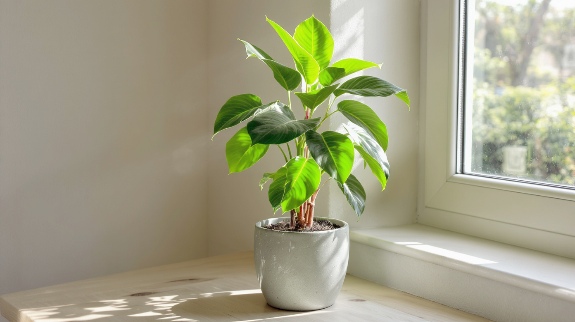
If you live in a warm climate, you can even keep it outdoors year-round; just protect it from strong afternoon sun and cold drafts.
Temperature and Humidity
These tropical natives prefer warmth. Ideal temperatures range from 60°F to 80°F (15°C–27°C). They dislike cold drafts or sudden temperature changes. For humidity, average indoor levels are fine, but a light misting now and then keeps leaves happy and glossy.
Soil Type
Use a well-draining potting mix, a blend designed for indoor plants, or a mix of peat, pine bark, and perlite works beautifully. Avoid compacted soil that traps moisture, as this can cause root rot.
Pot Requirements
Rubber Plants prefer slightly snug pots. Go for containers with drainage holes, and choose a sturdy pot, ceramic or clay, to balance its height and keep it from tipping over.
Rubber Plant Indoors
Looking for a plant that adds instant charm without demanding constant care? The Rubber Plant might just be your new favorite green companion. With its large, glossy leaves and forgiving nature, this beauty brings both style and serenity to your indoor space.
The best part? It thrives in a range of light conditions; bright but indirect light works wonders. Even if you’re short on space, you can keep it perfectly tamed by choosing a smaller variety or growing it in a container. This keeps its roots in check while giving your space a bold, modern vibe.
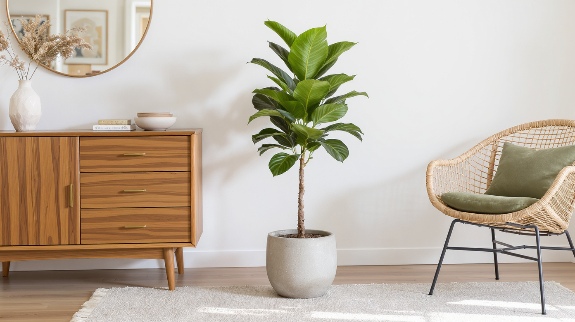
Unlike other guides that stick to generic care advice, here’s the real secret: manage its size early with gentle pruning and consistent positioning. Whether it’s your living room or balcony garden, this Plant promises lush elegance without overwhelming your space, low maintenance, and high impact.
Rubber Plant Outdoors
If you’re dreaming of transforming your small outdoor space into a lush, tropical escape, this Plant might just be your perfect companion. With its large, glossy leaves and adaptable nature, it’s not only stunning but surprisingly easy to care for.
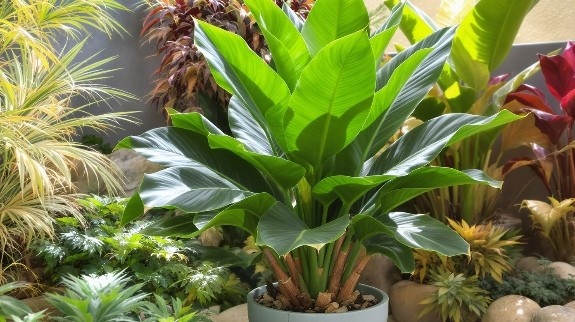
The best part? You can absolutely grow it outdoors, even in a limited garden space, if you know how to manage it right. Let’s explore how this resilient beauty can thrive and become the standout feature of your garden.
Rubber Plant Flower
Let’s start with a fun fact: this Plant rarely flowers, especially when grown in home or garden settings. In its native tropical environment, mature plants can occasionally produce small, creamy-white blossoms enclosed within a fig-like structure.
However, don’t expect blooms outdoors in your garden, especially if your climate isn’t as humid and warm as Southeast Asia’s jungles.
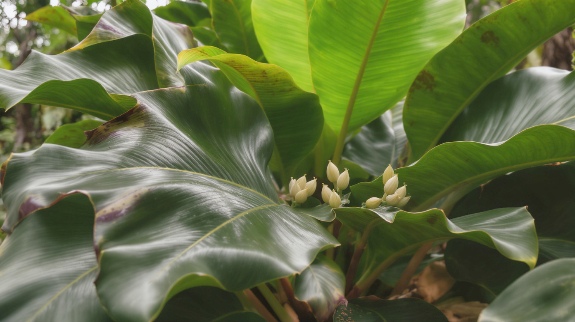
But here’s the catch, its charm isn’t in the flowers. Instead, those glossy, deep-green, or richly colored leaves are what make this Plant truly breathtaking. The foliage alone can create a sense of depth, texture, and life in any small garden corner.
So rather than chasing blooms, focus on cultivating vibrant leaves and healthy growth; that’s where the real beauty lies.
Rubber Plant Care
Now that your plant is settled, here’s how to keep it thriving, lush, compact, and glossy.
Watering
These Plants don’t like soggy soil. Water only when the top inch feels dry. Overwatering can cause leaf drop, while underwatering leads to dull, droopy leaves. In winter, reduce watering frequency; your plant will appreciate the rest.
Fertilizing
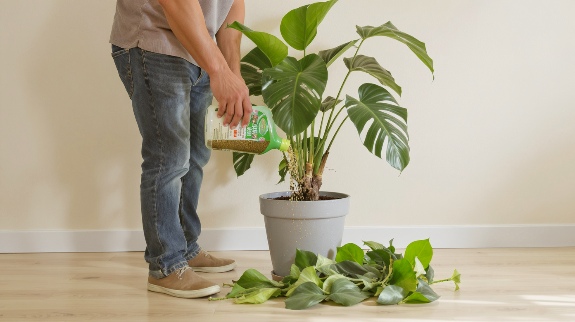
Feed your Plant once a month during the growing season, spring and summer, with a balanced liquid fertilizer diluted to half strength. Skip fertilizing in winter when growth slows.
Pruning
To keep your Plant compact and tailored for small spaces, pruning is essential. Use clean shears to trim the top stems to your desired height. This encourages bushier growth. Always wipe away the milky sap afterward; it can irritate skin.
Leaf Care
Dust can dull that signature shine. Gently wipe the leaves with a damp cloth or use a leaf-shine spray made for indoor plants. This not only makes it look better but also helps the leaves breathe.
Repotting
Repot every 2 to 3 years or when roots start peeking out of the drainage holes. Move it to a pot just one size larger. This helps refresh soil nutrients and encourages steady growth without letting the plant get oversized.
Propagation
Want to grow more Rubber Plants? Try stem cuttings. Cut a healthy stem with at least one leaf, let the sap dry for a few minutes, then place it in water or moist soil until roots develop. It’s a fun way to multiply your collection or share with friends.
Varieties of Rubber Plant
One of the biggest opportunities that many gardeners overlook is choosing the right variety. The plant isn’t a one-size-fits-all species. By selecting the right variety, you can ensure it complements your space without overpowering it. Let’s look at the top varieties that thrive beautifully outdoors.
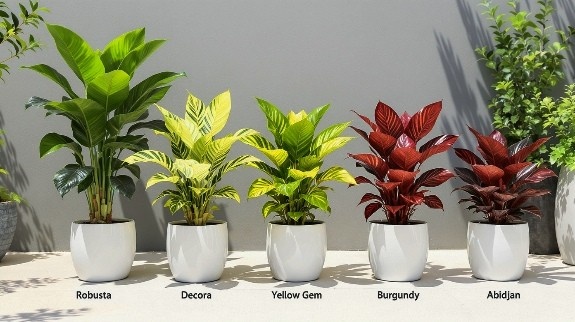
Robusta
If you love the classic, jungle-like vibe, Robusta is your go-to. It’s the original form of the plant, tall, with broad, dark-green leaves and a strong, upright growth pattern. It’s ideal if you have a bit more vertical space or want a statement piece near your patio or garden wall. Just remember to prune occasionally to maintain a manageable size.
Decora
The Decora variety is a crowd favorite, known for its thick, shiny leaves with a subtle reddish midrib. It’s highly adaptable and does wonderfully in containers outdoors. If you want that lush look but with a touch of polish, Decora is the balance between classic and ornamental.
Yellow Gem
Now, if you want to brighten up a corner, Yellow Gem is your star. With its variegated green and golden-yellow foliage, it adds instant warmth and contrast to a compact outdoor space. It loves bright, indirect light and works beautifully as a focal point in container gardens or small beds.
Burgundy
Looking for something dramatic? Burgundy brings that bold, moody elegance with deep, almost black-red leaves. This variety thrives in filtered sunlight and looks stunning against light walls or in minimalist garden designs. It’s a great way to create visual drama without needing flowers at all.
Abidjan
Finally, Abidjan, the more compact and refined cousin of Burgundy. It’s perfect for small gardens or balconies because it naturally stays smaller and denser. Its dark, glossy leaves are resilient to sunlight and wind, making it one of the best low-fuss outdoor choices.
Make the Rubber Plant the Star of Your Small Garden
Here’s the magic: by carefully managing light, pot size, and pruning, your plant can become the centerpiece of your compact garden. Choose dwarf or variegated varieties like Ficus elastica ‘Tineke’ or ‘Ruby’ for extra visual flair.
Use it as a vertical accent beside shorter plants or as a stunning focal point in a modern container. With its ability to tolerate a range of conditions, it’s the perfect balance of beauty and simplicity.
Your competitors might stop at general indoor care tips, but here’s your edge: emphasize control. With mindful pruning, container restriction, and light management, you can have a plant that thrives in a small garden, lush, glossy, and perfectly contained.
Summary
If you’ve been searching for a statement plant that’s both stunning and simple to care for, this plant is your perfect match. Its large, glossy leaves bring instant tropical charm to even the smallest spaces, balconies, patios, or compact garden beds. You don’t need a huge yard or endless time; this beauty thrives with just a little attention and the right setup.
Outdoors, the plant stands out for its resilience and flexibility. From the dramatic Burgundy to the cheerful Yellow Gem, there’s a variety for every personality and garden style. While it rarely flowers, its bold foliage steals the show year-round.
The secret? Keep it contained, give it bright but indirect light, and prune regularly. Do that, and your Rubber Plant won’t just grow, it’ll shine, transforming your small space into a lush, living masterpiece you’ll love coming home to every day.
FAQs
Is a rubber plant good for the home?
Absolutely, Rubber Plants are great for homes. They purify air, add lush greenery, and adapt well to indoor environments.
How do you care for a rubber plant indoors?
Keep it in bright, indirect light, water when the top inch of soil dries, and wipe its leaves occasionally to keep them glossy.
Does a rubber plant need sunlight?
Yes, but not direct sunlight. Bright, filtered light is ideal; too much sun can scorch its leaves.
Are rubber plants indoor or outdoor?
They can be both. Indoors, they’re easy to manage and elegant; outdoors, they make a bold statement in warm, frost-free climates.
