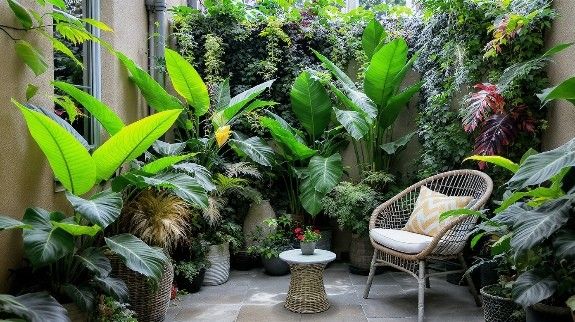
There’s nothing truly magical and more beautiful about filling a small space with living, breathing color. Showstopper, the Calathea plant, is like living art, with its brushstroke patterns, bold colors, and graceful leaf movements that change throughout the day.
When I started building my small garden, I wanted something lush and that looked tropical. Calathea fits perfectly. It doesn’t need blazing sunlight or a massive pot to thrive. It just asks for a bit of attention, a touch of humidity, and a cozy, shaded corner. Before long, my little indoor jungle looked like something straight out of a rainforest scene.
If you’ve ever felt that your small garden or apartment doesn’t have room for beauty, let me tell you, the Calathea plant will change your mind and add beauty with care.
From the Rainforest to Your Small Space
Calathea hails from the tropical floors of Central and South America, where the air is thick, the soil is rich, and sunlight filters softly through the forest canopy. That’s why it loves warm, humid conditions and prefers indirect light over harsh rays.

Botanically, Calathea belongs to the Marantaceae family, the same as the famous prayer plant. It is also known as Goeppertia, which is used more often now, but you’ll still find most labeled as Calathea in garden centers. These plants grow in clumps from rhizomes, meaning they naturally spread at the base, making them perfect for pot life.
Fun Fact: Calathea moves. Its leaves lift upward at night and stretch out in the morning. Watching this daily rhythm feels like having a plant with personality; it wakes up with you, and it rests when you do.
What Makes Calathea So Beautiful
One thing’s for sure, Calathea isn’t shy about showing off. The leaves are its claim to fame, displaying everything from lime-green stripes to deep purple undersides. Some species, like Goeppertia makoyana, look like someone painted feathers on each leaf.
Others, like G. orbifolia, have large, rounded leaves with silvery-green stripes that shimmer when the light hits just right.
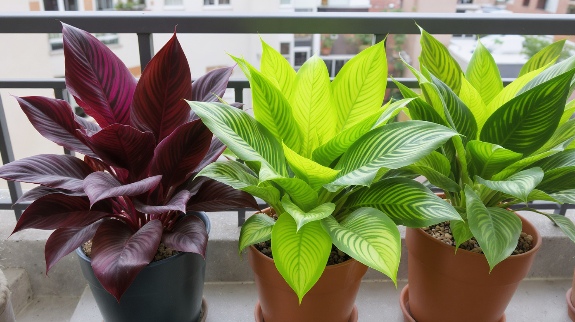
What’s great for small gardens is that Calathea doesn’t take up much room. Most varieties grow between one to three feet tall, so you can easily fit one on a shelf, a plant stand, or even your bathroom counter. Despite its tropical vibe, it’s not an outdoor-only diva; it thrives in the cozy microclimate of your home.
Calathea flower, the blooms are usually small and understated. Calathea plant flowers appear in white, yellow, or even purple in the warmer months, but honestly, the leaves steal the show every time.
Perfect Environment for Calathea Plant
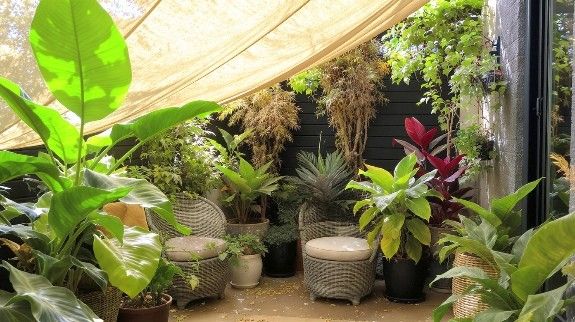
Let’s talk about where Calathea feels at home. Since it naturally grows under rainforest canopies, it loves filtered soft light. That makes it perfect for apartments, balconies, and shaded patios.
Direct sun can burn its precious leaves and make them crispy with brown edges and faded colors. I keep mine near a north-facing and sometimes southeast-facing window, where it gets bright but gentle light.
Temperature-wise, Calathea likes to keep things steady between 18–24°C. It dislikes drafts and sudden changes, so avoid placing it near AC vents or heaters.
Humidity is the secret ingredient here. These plants thrive in moist air around 60% or higher. If you’re in a dry area or running your heater a lot, a small humidifier nearby can make a world of difference. Or go the natural route, group your Calathea with other tropicals so they share humidity as they breathe.
Planting Calathea Plant
Calathea loves a good home, and it starts with the right pot and soil. Choose a pot with drainage holes, preferably plastic or glazed ceramic, since unglazed terracotta tends to dry out too fast.

Soil
For soil, I mix two parts coco coir or peat moss with one part perlite. This keeps it airy and moist but not soggy. You want the soil to feel like a well-wrung sponge, damp but never dripping.
Watering
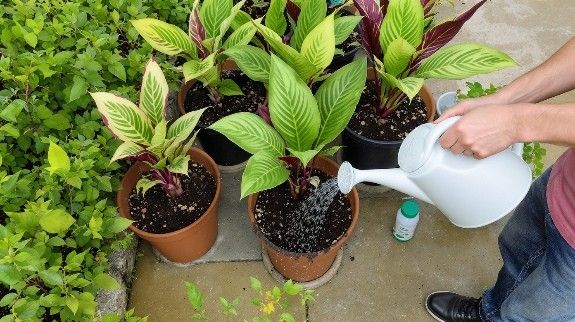
Stick your finger an inch into the soil. If it feels dry at that depth, it’s time to water. I usually water mine once a week, but it can vary with your climate and pot size. Always use filtered, distilled, or rainwater. Tap water often has minerals that cause yellowing leaves.
Fertilizing and Feeding
Feed your Calathea once a month during spring and summer using a balanced liquid fertilizer diluted to half strength. I skip feeding in winter, it’s resting time.
Pruning a Calathea Plant
Pruning is minimal. Just snip off any brown or dead leaves to keep things looking tidy. I also like to wipe the leaves occasionally to remove dust; it keeps them glossy and helps them breathe better.

Propagation and Repotting
If your Calathea is healthy and full, you can propagate Calathea by division during spring or early summer. Water it well the day before, then gently lift it from its pot. You’ll notice natural clumps connected by short rhizomes. Carefully tease them apart, ensuring each new section has some roots attached.
Replant each section in a fresh mix, water lightly, and keep the humidity high for the first few weeks. I usually cover new divisions with a clear plastic bag to trap moisture.
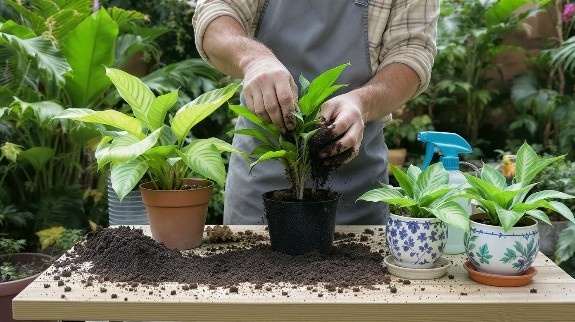
As for repotting, Calathea doesn’t like tight shoes. When roots peek through the drainage holes, it’s time to upgrade to a pot one or two inches wider. Repot every two to three years in spring to refresh the soil and give it space to grow.
Seasonal and Indoor Care
During the warmer months, Calathea will grow actively, pushing out new leaves. That’s when it needs consistent watering and light feeding. In winter, the plant slows down. I water less often, just enough to keep the soil slightly moist.
If your summers are mild with nights above 60°F, you can bring Calathea outdoors to a shaded patio or balcony. The fresh air does wonders. But bring it back indoors before the temperature dips.
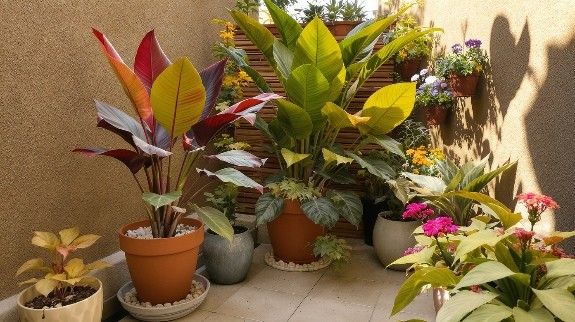
For humidity in small spaces, I love using pebble trays, just a shallow dish with stones and water, placed under the pot. As the water evaporates, it creates a micro-humid zone. Bathrooms are another great location, especially if you have a window.
Pests and Common Issues
The Calathea plant is relatively tough but not invincible. The main culprits I’ve faced are fungus gnats, mealybugs, and spider mites. If you spot tiny flies hovering or fine webbing on the leaves, it’s time to act.
Wipe the leaves with a damp cloth and spray a gentle mix of water and insecticidal soap. I prefer neem oil for prevention; it’s natural and safe.
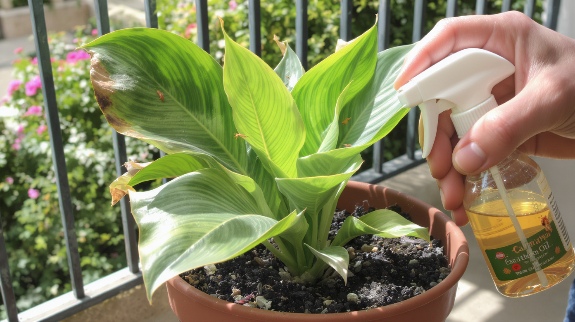
A few other problems to watch for:
- Browning edges mean the air is too dry. Boost humidity.
- Yellowing leaves often point to overwatering or mineral buildup. Switch to filtered water and check drainage.
- Curling leaves signal thirst or too much light. Move to a shadier spot and water regularly.
- Faded color means too much sun exposure.
Calathea talks; you just have to learn its language.
Benefits of Calathea in Small Gardens
Here’s why I love having Calathea in my compact garden setup.
First, it’s a natural air purifier. NASA-backed studies have shown that tropical foliage plants absorb indoor pollutants. That means your Calathea isn’t just sitting pretty, it’s quietly cleaning the air around you.
Second, it’s completely safe for pets and kids. No toxic sap, no harmful chemicals. I’ve got cats that occasionally brush past mine, and it’s never been an issue.
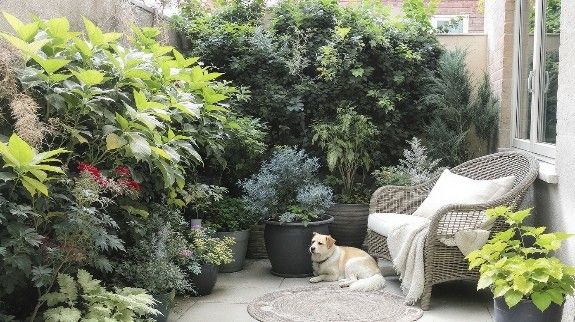
Third, it adds humidity to the room. Those big leaves transpire moisture, making the air feel fresher and softer, great for both your skin and your other plants.
Finally, Calathea gives any small space a lush, tropical vibe. Even in a studio apartment, it can transform a dull corner into a living art piece.
Popular Varieties
Here are a few of my favorite Calathea types that fit beautifully in smaller spaces:
- Goeppertia orbifolia: With its silvery-green stripes, this one’s bold but elegant. Perfect for adding volume without overwhelming a room.
- Goeppertia makoyana (Peacock Plant): The translucent leaves look like stained glass when sunlight filters through.

- Goeppertia lancifolia (Rattlesnake Plant): Slim, wavy leaves make it ideal for narrow shelves or tall planters.
- Goeppertia roseopicta: A compact gem with pink-blushed patterns. Perfect for desks or side tables.
- Goeppertia crocata (Saffron Calathea): The rebel of the group, it sometimes blooms indoors with fiery orange flowers.
Each variety brings its own texture and flair. Mix them for a jungle feel or keep one as a statement piece.
Ways to Display Calathea
I’ve experimented a lot with Calathea placements, and here’s what works best in small gardens or homes:
- Group with other tropicals: Pair Calathea with ferns, peace lilies, or philodendrons. They enjoy similar conditions and create a layered look.
- Use varied heights: Place one Calathea on a plant stand and smaller ones on shelves below. It adds depth without clutter.

- Try terrariums: Some smaller varieties thrive in enclosed glass terrariums where humidity stays high.
- Add to your bathroom: A bright bathroom with filtered light is like paradise for Calathea. The steam keeps those leaves glossy.
- Balcony charm: If you’ve got a covered balcony, arrange a few Calatheas with moss and trailing vines for a tropical retreat.
When you design a small garden, think vertically and use corners creatively. Calathea shines wherever it feels cozy and protected.
Conclusion
The Calathea plant is a tropical houseplant known for its vibrant colors, patterns, and the fun fact of its movement. Its compact size makes it ideal for small gardens and balconies.
It prefers bright indirect soft light and hates direct light, as it burns leaves. Humidity is the secret of its beauty; group it with other tropical plants so they share humidity as they breathe.
Calatheas are hard to care for as they are a bit particular about humidity and water quality. Use good potting soil, water weekly, feed monthly, and prune when it’s needed; all these make your plant healthy and happy.
Calathea transforms small spaces into vivid, living art. It teaches patience and rewards care with movement, color, and life, proof that beauty can thrive even in a compact space.
FAQs
Is the Calathea plant a good indoor plant?
Absolutely. It’s one of the best plants for adding life and pattern to indoor spaces. It thrives in indirect light and doesn’t need tons of room to grow.
Where should I put my Calathea plant in my house?
Keep it in bright, indirect light; near a north or east window works beautifully. Avoid drafts and direct sun. Bathrooms and living rooms are great spots.
How often do you water the Calathea plant?
Usually once a week, but let the top inch of soil dry out first. Always use filtered or rainwater.
Why Calathea plant hard to care for?
They’re a bit particular about humidity and water quality. But once you understand their rhythm, moist soil, soft light, steady warmth, they’re surprisingly resilient.
