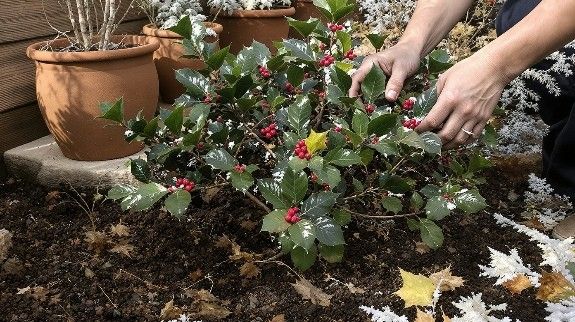
I’ve always had a soft spot for plants that carry a touch of magic through the seasons, and Ilex aquifolium easily tops that list. There’s something undeniably charming about those glossy green leaves shining against a backdrop of red berries in the chill of winter.
I remember when I planted my own Ilex aquifolium on my balcony for the first time. And let me tell you a fact about this plant: once it survives and settles in your atmosphere, it will quietly steal the show year-round, and you will feel like inviting a piece of Christmas tradition right into your backyard.
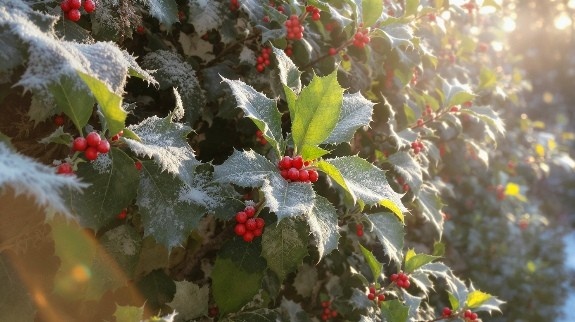
Ilex aquifolium has beautiful evergreen, broad leaves. It naturally grows in Europe, North Africa, and Western Asia under oak and beech canopies. It’s slow-growing but tough and adaptable, which makes it a favorite for gardeners like me who love plants that can hold their own once established.
Here’s the part many gardeners find surprising: holly plants are dioecious, which means red berries are produced after pollination. The male plant provides the pollen, and the female plant produces the fruit. They might look tempting to humans, but those berries are toxic if eaten in quantity. More on that later.
Site Selection and Planting Ilex aquifolium
When I first started growing Ilex aquifolium, I quickly learned that the secret to success lies in choosing the right spot. It loves moist but well-drained soil. It can handle clay and even poor soil, but it absolutely hates having wet feet. If your soil tends to stay soggy after rain, you must have to change your soil or ensure better drainage for better plant growth.
This plant thrives in full to partial sun. In my experience, this foliage plant is glossier and denser with at least half a day of sunlight. It can also survive in shade, which is helpful for hot areas where too much afternoon sun might burn the leaves. I always make sure to plant mine in spots protected from cold winter winds, which can dry out and turn the leaves brown.
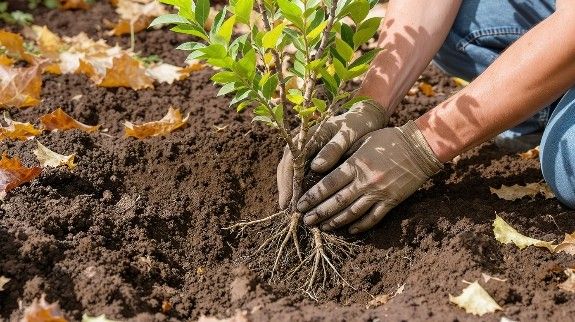
When planting, I dig a hole about twice as wide as the root ball but only as deep. After loosening the soil, I mix in plenty of organic matter, such as compost or leaf mold. Once the holly is set in place, I backfill gently, firm the soil, and water deeply. Then I apply a two-inch layer of mulch around the base to keep the soil moist and cool.
Note: if you’re planting multiple hollies, space them about 3 to 4 feet apart. If you’re growing a single specimen tree, give it at least 15 feet of breathing room. It may seem like a lot at first, but this plant needs space to shine.
Cultivation and Maintenance
Once established, Ilex Aquifolium doesn’t demand much, which is one reason I love it. Still, giving it the right care makes a world of difference in its long-term health and beauty.
Ideal Soil and Light Conditions
Ilex aquifolium prefers slightly acidic to neutral soil. If your soil is alkaline, consider adding peat moss or composted pine bark to help balance the pH. It’s also a great idea to mulch annually with organic matter, which helps maintain acidity and suppresses weeds.
Watering and Fertilization
Young plants appreciate consistent moisture while they’re settling in. I water mine deeply every week during dry spells for the first year. Once mature, they handle short droughts just fine. Overwatering, though, is a big mistake; it leads to root rot faster than you’d think.
I feed my hollies once a year in early spring with a balanced slow-release fertilizer. Something like 10-10-10 works perfectly. If your plant is yellowing or showing slow growth, a sprinkle of acid-loving plant fertilizer usually perks it up nicely.
Pruning
Pruning can be as simple or creative as you want it to be. I do most of my pruning in late winter while the plant is dormant. This timing not only helps shape the plant but also ensures I don’t remove branches that would carry next year’s flowers and berries.

For hedges, I lightly trim the sides in early spring to maintain shape. If you’re growing a specimen, prune to highlight its natural pyramidal form. Always use sharp, clean shears and make cuts just above leaf nodes to encourage bushy growth.
Propagation Methods
If you’re like me and want to multiply your favorite hollies, there are a few ways to go about it.
Growing from Seed: Patience is key here. Holly seeds can take 18 months or more to germinate, so this isn’t a quick project. I collect ripe berries in late fall, clean the seeds, and sow them in pots filled with a moist mix of sand and compost. Then I tuck the pots into a cold frame and let nature handle the chilling.
Cuttings and Layering: This is my preferred method. In late summer, I take semi-ripe cuttings about 6 inches long, remove the lower leaves, and dip the ends in rooting hormone before planting them in a mix of peat and perlite. Keep the cuttings moist and shaded, and in a year, you’ll have new holly plants ready to pot up.
Tips for Success
- Always plant a male and female pair for berries.
- Protect young plants from rabbits; they love the tender bark.
- Avoid pruning heavily in late summer since it can trigger tender new growth that winter frost might damage.
- Mulch yearly and water deeply in drought conditions.
Pests and Diseases
One of the reasons I keep recommending holly to beginner gardeners is that it’s generally trouble-free. Still, it’s smart to know what could go wrong.
Common Pests
The holly leaf miner is probably the most common pest you’ll see. It tunnels between leaf surfaces, leaving squiggly pale lines. I simply prune off affected leaves when I notice them. Scale insects can also appear on stems, leaving sticky residue behind. A wipe with horticultural oil or an insecticidal soap usually takes care of it.
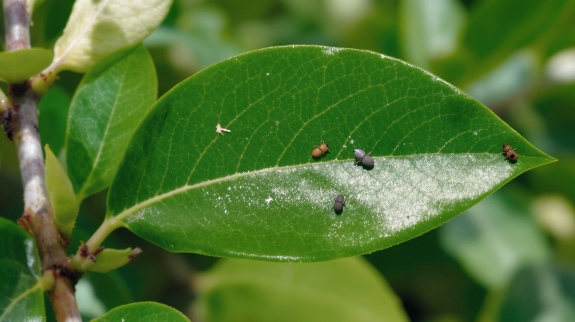
Aphids sometimes target new shoots in spring. I usually blast them off with a hose or introduce ladybugs to keep them under control.
Fungal and Root Diseases
Excess moisture is the main enemy. Phytophthora root rot thrives in soggy soil, so good drainage is a must. Occasionally, holly may develop tar spot or leaf blight, which show up as black or brown patches on leaves. Rake up fallen leaves and dispose of them; don’t compost diseased material.
Preventive Care
Healthy plants resist problems naturally. I always start by giving them the right soil and sunlight, pruning for good air circulation, and keeping mulch fresh. It’s simple but effective.
Garden and Landscape Uses
If you want a plant that looks stately, feeds birds, and makes your garden shine even in the gray of winter, English holly is perfect.
Landscape Applications
Specimen and Ornamental Planting: I love planting a single holly as a focal point in a garden bed. Its deep green color contrasts beautifully with lighter shrubs and winter-blooming flowers.
Hedging and Screening: When grown close together, hollies form dense, glossy hedges that make an excellent privacy screen. The spiny leaves even deter animals and unwanted foot traffic.
Wildlife and Pollinator Gardens: Holly’s spring flowers attract bees, and the berries are an invaluable winter food source for birds. I’ve often seen robins and thrushes flocking to mine when food is scarce.
How to Plant in a Small Garden?
I have met so many gardeners who say, “I’d love to grow holly, but I don’t have the space.” The good news is you absolutely can. English holly can be pruned and trained to fit small gardens beautifully. I often shape mine into a single-stem small tree or keep it trimmed as a neat shrub about six feet tall.
For container gardening, choose a dwarf or compact variety like ‘J.C. van Tol’ or ‘Alaska’. Use a large pot with excellent drainage, and place it in a bright spot that gets morning sun and afternoon shade. Container hollies look gorgeous on patios or near entryways during the holidays, especially when paired with white pansies or ivy at the base.
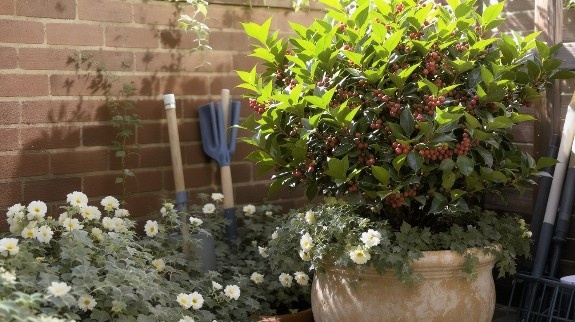
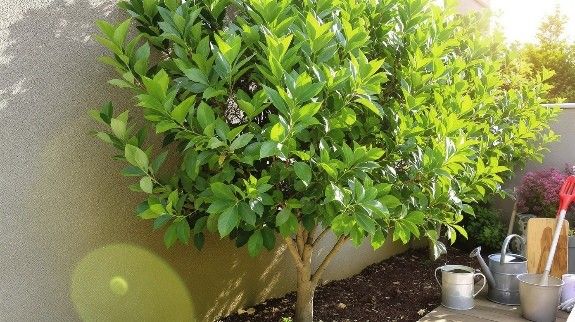
If space is really tight, a columnar holly like ‘Pyramidalis’ or ‘Narrow Leaf Form’ is ideal. It grows upright rather than wide, which makes it perfect for narrow borders or corners. You can train holly against a wall as an espalier, clipping it flat so it creates a lush, green backdrop without taking up valuable floor space.
The trick with small gardens is simple: think vertically and prune thoughtfully. Ilex aquifolium responds well to shaping, so you can keep it tidy and compact while still enjoying its classic look and glossy texture.
Notable Cultivars and Varieties
There are over 200 cultivars of Ilex aquifolium, and trust me, they’re all a bit different in looks and personality.
Non-Variegated Cultivars: If you prefer the classic look, ‘J.C. van Tol’ is an excellent choice. It’s self-fertile, so you’ll get berries even without a male nearby. ‘Pyramidalis’ is another great option for a narrow, upright form.
Variegated Cultivars: For something showier, I adore Argentea Marginata with its silver-edged leaves, or Golden Queen with warm yellow tones. They light up shady corners beautifully.
Conclusion
Growing Ilex aquifolium has been one of the most rewarding experiences in my garden. It offers structure, color, and wildlife value all year round. If you plant it right, feed it once in spring, and prune it with care, it will reward you for decades.
I often stand by my holly in winter, coffee in hand, watching the birds feast on its berries. It’s a quiet reminder that beauty and resilience often come from the same roots.
If you’re considering adding it to your garden, go for it. Just give it room, good drainage, and a little love, and it will handle the rest.
FAQs
How fast does Ilex aquifolium grow?
It’s a slow grower, usually adding about 6 to 12 inches of new growth per year, depending on conditions.
Is holly poisonous to humans?
Yes, the berries are mildly toxic. Eating a few might upset your stomach, but larger amounts can cause more serious symptoms. Best to keep them out of reach.
What is the use of Ilex aquifolium?
It’s mainly grown as an ornamental for its evergreen beauty and festive berries, but its wood is also valued for carving and decorative crafts.
How to grow a holly tree?
Plant it in moist, well-drained soil with partial sun, pair a female with a male for berries, and prune in winter to shape. Water regularly until it’s established, then enjoy its timeless charm for years to come.
