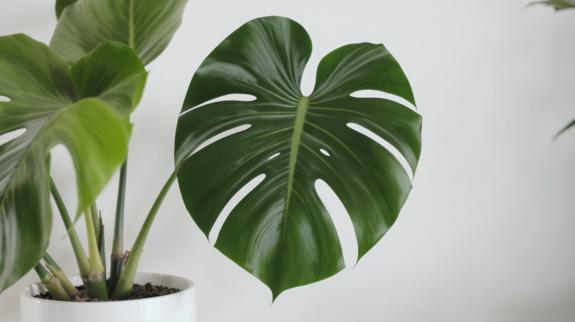
Learn how to grow a Swiss Cheese Plant in a small garden with this friendly, expert guide. Care tips, light, watering, pruning, outdoor placement, and FAQs are included.
If there’s one plant that brings instant tropical magic to even the tiniest outdoor space, it’s the Swiss Cheese Plant. I have squeezed these beauties into balconies, narrow side gardens, tiny courtyards, and patios no bigger than a yoga mat, and trust me, they thrive if you give them just the right setup.
People usually assume monsteras are giant, space-hogging jungle beasts, but in a small garden, they are surprisingly cooperative. You just need to know how to guide them.
So in this guide, I am walking you through everything I have learned about growing a Swiss Cheese Plant in a small garden, including the things your competitors love to leave out. We will talk light, soil, watering, space-saving tricks, outdoor pests, and all those real-world problems tiny gardens throw at us. I will be honest, direct, and practical. Let’s get into it.
Best Types of Swiss Cheese Plant
When you are working with a small outdoor space, choosing the right Monstera variety makes a huge difference. I have trialed several, and here’s what actually works.
Monstera adansonii
This is the classic trailing or climbing Swiss Cheese Plant with the big oval holes. It stays compact, plays nicely with other plants, and looks incredible hanging or climbing.
Monstera deliciosa
This one gets large, no surprises there. But I have grown it in a small garden by training it upward instead of outward. If you want those huge split leaves, it’s doable, but you must manage their size.
Monstera epipremnoides
Gorgeous but massive. The leaves can get enormous, so unless you want a single-plant focal point, this one’s better saved for a bigger space.

Compact varieties worth considering
Monstera dubia shingling habit, Monstera siltepecana, and Monstera standleyana all stay slimmer and climb beautifully on walls or mounted boards. Great for vertical gardens.
Light Requirements
Here’s where small gardens get tricky. Light shifts fast in enclosed spaces because walls, fences, and buildings block or reflect the sun. But Monstera are adaptable.
I have found the sweet spot is a location with bright light that’s softened by shade from above or filtered through something like a pergola or tree canopy.
- Morning sun? Perfect.
- Afternoon sun? Proceed carefully.
Hot afternoon light bounces off walls and can scorch leaves. If your leaves start curling or crisping at the edges, it’s too much. Move the plant back a foot or slide it behind a taller plant for natural shade protection.
If your Swiss Cheese Plant isn’t producing those signature holes, it needs more light. In small gardens, fences steal light, so lifting the plant onto a stand or hooking it on a wall bracket can make all the difference.
Soil and Potting for Outdoor Spaces
If there’s one thing I never compromise on outdoors, it’s soil quality. In tight gardens, pots stay wet longer after rain, so drainage becomes your best friend.
Here’s what has worked consistently for me:
My go-to soil mix
- 40% high-quality peat-free potting soil
- 30% orchid bark or chunky pine bark
- 20% perlite
- 10% compost for nutrients
This gives enough moisture retention without creating a swamp.
Choosing the right pot
Tall, narrow pots save floor space and give the roots depth. Hanging baskets are phenomenal for Monstera adansonii. Self-watering pots are tempting, but in small gardens with unpredictable rain, I avoid them because they tend to stay too wet.
And of course, drainage holes, non-negotiable.
Watering Plant Outdoors
Watering outdoors is completely different from indoor care. Small gardens trap heat and moisture in weird ways, so I have learned to adjust based on the environment.
My simple watering rule outside, water when the top inch of soil feels dry. Not bone-dry. Not soggy. Just lightly dry.
A few outdoor-specific tips
- Rain can cause accidental overwatering. If a storm is coming, move your potted plant under cover.
- Small courtyards with concrete get hotter. Soil dries faster.
- Balconies with shade all day dry slowly. Water less often.
Overwatered Swiss Cheese Plants get yellow leaves and mushy stems. Underwatered leaves curl or wrinkle like they are thirsty for attention.
Temperature and Humidity Outdoors
Monstera love warmth. In a small garden, temperatures swing faster because walls absorb heat during the day and release it at night. Ideal outdoor temperature range
- 60–85 degrees Fahrenheit
- Growth slows a lot below 55
- Frost is a hard no, move it indoors
For humidity, small gardens usually do better than big open yards. I have noticed enclosed patios hold moisture in the air naturally, which monsteras adore.
If you live somewhere dry, grouping your plants creates a mini humidity bubble. If the air feels crisp, misting works, but do it early so the leaves dry.
Supporting and Training in a Limited Space
This is my favorite part, turning a small garden into a vertical jungle. Monstera love to climb, so instead of letting them sprawl, I guide them upward. Support ideas that work brilliantly.
- A wooden trellis fixed to a wall
- A moss pole
- A bamboo teepee in a tall pot
- Wall-mounted brackets for trailing varieties
- A living trunk like a small tree for natural climbing
When you grow vertically, the plant produces larger, more fenestrated leaves. It also stops the plant from creeping into your seating area or walkway. A well-trained Monstera deliciosa looks like a living sculpture.
Pruning
In small gardens, pruning isn’t optional; it’s essential. I prune lightly every 6–8 weeks during the growing season. It keeps the plant compact, encourages branching, and helps maintain a tidy shape.
I always cut right above a node, and I save every cutting. They root easily and give you free plants to decorate other corners of your garden.
Propagation Outdoors
Propagation outdoors is easy, especially in warm weather. I take a cutting with one or two nodes, dip it in rooting hormone, and plant it in a small pot with moist soil.
Shady corners of the garden make ideal propagation zones. In warm weather, roots start forming in a few weeks. It’s incredibly satisfying to watch your mini Monstera collection expand.
Pests and Diseases
Outdoor monsters deal with different problems compared to indoor ones. I have seen snails chew holes, aphids hitchhike from nearby plants, and rain cause fungal leaf spots. Here are the usual suspects
- Snails and slugs
- Aphids
- Whiteflies
- Spider mites
- Fungus gnats, if the soil stays too wet

My top solutions are neem spray, sticky traps, and crushed eggshell barriers for snails. Lightweight horticultural soap works when pests get stubborn.
For fungal issues, I trim damaged leaves and improve airflow by pulling the pot away from the walls.
Common Problems and How I Fix Them
Here’s where small outdoor spaces create unique headaches, and how I deal with them.
Leaves not splitting, usually caused by low light. I raise the plant higher or give it morning sun.
Yellow leaves: the plant is getting too much water. Rain is often the culprit.

Brown leaf edges, your spot is too hot or reflective. Move it back from direct surfaces like brick or tile.
Drooping foliage, this can be heat stress or inconsistent watering. Check the soil and adjust.
Placement Ideas for Small Gardens
Placement can make or break a Swiss Cheese Plant outdoors.
Here are my favorite spots:
- Balcony corners where the light is bright but soft
- Shaded fences or walls
- Under pergolas
- Hanging from beams or hooks
- Narrow side gardens with filtered light
Think vertically. Think creatively. Monsters reward you for it.
Design Ideas
You don’t need much space to create a tropical oasis.
Try pairing your Swiss Cheese Plant with:
- Ferns Houseplant
- Philodendrons
- Calatheas
- Bromeliads
Mixing textures makes the space feel lush, layered, and intentional.
Care for Swiss Cheese Plant
Since you are targeting the term, here’s a bite-sized version. Give it bright, indirect light, well-draining soil, and consistent moisture. Train it vertically to save space and prune regularly to control size. Protect it from harsh afternoon sun and cold temperatures. In small gardens, smart placement and good airflow matter more than anything.

Plant Flower
Outdoors, Monstera deliciosa sometimes flowers, but it’s uncommon. The bloom looks like a creamy white spathe around a spadix. It usually only happens when the plant is big, mature, and happy.
Swiss Cheese Plant large
If you want large leaves in a small garden, focus on vertical support, consistent watering, and good light. Climbing encourages the plant to produce those dramatic, deeply split leaves.
Swiss Cheese Plant vs Monstera
This comparison confuses people. The Swiss Cheese Plant usually refers to Monstera adansonii or Monstera deliciosa. Both are Monstera, just different species. Adansonii has smaller holes, and deliciosa has huge split leaves.
Seasonal Care Guide
| Spring | Repot, prune, fertilize. |
| Summer | Shade from harsh sun, water more often, and check for pests. |
| Autumn | Reduce watering, prepare for cooler nights. |
| Winter | Bring indoors if cold. Reduce watering significantly. |
Summary
This guide explains how to successfully grow a Swiss Cheese Plant in small outdoor spaces. It covers the best Monstera varieties, ideal light, soil, watering, temperature, and humidity needs. You’ll learn vertical training, pruning, propagation, and pest control techniques. The guide also offers placement ideas, solutions to common problems, and seasonal care tips to help monsteras thrive in compact gardens.
FAQs
Is a Swiss cheese plant good for indoors?
Yes, it grows beautifully indoors with bright, indirect light and moderate humidity. It also adapts well to small rooms when trained vertically.
What Monstera plant sold for 5000 dollars?
That was a rare variegated Monstera, often Monstera albo or a highly uncommon Monstera adansonii variegata.
Why is it called a Swiss cheese plant?
Because the leaves develop natural holes that look like the holes in Swiss cheese.
Do Swiss cheese plants like sun or shade?
They prefer bright, indirect light. Morning sun is fine, but strong afternoon sun can burn the leaves.
