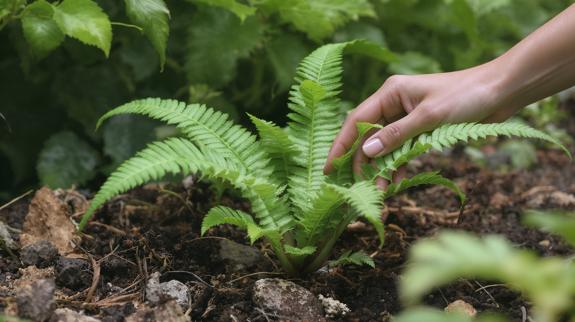
Discover the best ferns and fern houseplants for small gardens. Learn how to grow indoors and outdoors, the easiest types of fern to care for, and expert tips for choosing compact, low-maintenance foliage plants.
These are one of the few non-flowering plants that manage to feel both ancient and elegant at the same time. Whether you are working with a tiny balcony, a townhouse patio, a compact backyard, or an indoor shelf garden, ferns are some of the best foliage plants you can grow. They add texture, softness, and that lush woodland feeling even in the smallest spaces.
This guide covers everything your competitors talk about, and everything they miss, from the best ferns for tiny gardens, to compact size for pots, to easy-care houseplant fern for beginners. We will also touch on fern allies, mosses, and ferns, and the science behind these beautiful vascular plants.
What Are Ferns?
Ferns are vascular plants that reproduce using spores instead of flowers or seeds. They are some of the oldest plants on Earth, around long before flowering plants took over the landscape. They are known for:
- Feathery, divided leaves called fronds
- Growing well in shade
- Loving moisture and humidity
- Coming in a huge range of sizes
For small gardens, ferns are a goldmine because they grow vertically, arch outward beautifully, and don’t demand a lot of space.
Why Ferns Are Perfect
Before we jump into the best fern, here’s why they thrive in compact spaces:
They tolerate shade, and small gardens usually get inconsistent light or partial shade. Fern loves that.
They grow well in containers; many of the fern, houseplant, and outdoor varieties stay compact and thrive in pots.
They add tons of texture. In a small garden, texture matters more than flowers. Fern brings depth without overcrowding.
Evergreen options create a year-round structure. An evergreen fern is a small garden’s secret weapon.
Work beautifully with mosses. Mosses and ferns together create that magical woodland feel, even on a mini patio or balcony.
Types of Fern
There are many scientific classifications, but for small garden design, the practical types of fern are:
- Outdoor hardy plants are perfect for tiny yards, shaded patios, and containers
- Indoor fern and houseplant fern
- Tropical fern is great for indoor humidity
- Evergreen fern is a year-round beauty
- Fern has a similar structure, but are not true ferns
We will cover the best options in every category.
Best Ferns for Small Outdoor
These stay compact, thrive in pots, and handle small spaces beautifully.
Japanese Painted Fern: A small-space superstar. Silvery fronds with burgundy stems, stunning even in low light. Perfect for shady borders, pot groupings, and small woodland-style areas.
Lady Fern: Soft, lacy, bright green foliage that grows in tidy clumps. Perfect for shady patios and containers.
Autumn Fern: Coppery-red new growth that turns glossy green. Perfect for tiny gardens needing color without flowers.
Western Sword Fern: Hardy, reliable, and evergreen. Perfect for adding height and structure in a compact garden.
Sensitive Fern: Bright lime-green foliage and easy to grow. Perfect for small boggy areas, damp corners, or beside a mini pond.
Mahogany Fern: Compact, elegant, and great for small shady plots.
Maidenhair Fern: Delicate, feathery, airy fronds. Perfect for pots near shade-loving flowers or rocks.
These ferns give you a range of textures, colors, and sizes suited for small gardens without overwhelming the space.
Best Ferns Houseplants Indoor
These compact fern houseplants thrive in containers, shelves, bathrooms, terrariums, and small indoor displays.
Boston Fern: Classic indoor fern with soft, arching fronds. Great for hanging baskets in small rooms.
Lemon Button Fern: Miniature, compact, and perfect for desks, shelves, and bathroom corners.
Bird’s Nest Fern: Sturdy, sculptural, great for modern small homes. Not as finicky as other ferns.
Rabbit’s Foot Fern: Cute furry rhizomes that crawl over the pot edge, perfect for small hanging planters.
Blue Star Fern: Blue-green foliage and tolerant of drier conditions, ideal for small indoor spaces.
Heart Fern: Small, adorable heart-shaped leaves, ideal for terrariums in tiny apartments.
Button Fern: Low-growing, compact, and great for tight spaces.
Indoors, these species give you lush foliage without taking over your room.
Grow Ferns Outdoors
Your competitors rarely explain this simply. Here’s what actually matters:
Light Requirements: Most ferns want:
- Partial shade
- Dappled shade
- Morning sun only
Perfect for small gardens boxed in by buildings or fences.
Soil: Loose, rich, moist soil is ideal. Add compost, leaf mold, or pine bark to keep it airy.
Water: Ferns prefer soil that’s moist but not waterlogged.
Containers: Small gardens benefit enormously from container ferns. Choose wide, shallow pots. Fern roots are shallow.
Mulch: Use pine needles or compost to maintain moisture.
Winter Care: Evergreen ferns keep your tiny garden looking alive year-round.
Grow Ferns Indoors
Indoor ferns are gorgeous, but they have two non-negotiables:
Humidity: Bathrooms and kitchens are ideal. Otherwise, use a pebble tray or light misting.
Indirect Light: Direct sun burns them. Place them near an east or north window.
Here’s your simple care formula:
- Light: Bright indirect
- Soil: Light, fluffy potting mix + perlite
- Water: Keep evenly moist
- Humidity: 40–50%
- Pot size: Small but wide is ideal
Fern houseplants are much easier when you follow these basics.
Evergreen Ferns
These are perfect for small outdoor gardens and ting patio that need winter interest:
- Christmas Fern
- Western Sword Fern
- Japanese Holly Fern
- Hart’s Tongue Fern
These fill a small space beautifully without going bare in winter.
Mosses and Ferns
If you want a tiny garden to feel like a miniature forest, combine:
- Moss groundcovers
- Fern in containers or small plantings
- Shade-loving small perennials
This creates a layered woodland effect even in a 2×6 ft area.
Compact Ferns to Grow
If you want quick recommendations:
Best small outdoor fern
- Lady Fern
- Japanese Painted Fern
- Autumn Fern
- Holly Fern
- Maidenhair Fern
Best small indoor fern and houseplant
- Lemon Button Fern
- Bird’s Nest Fern
- Rabbit’s Foot Fern
- Button Fern
- Blue Star Fern
Caring for Fern
Let’s keep care simple:
Watering: Water when the top inch feels slightly dry. Never let them completely dry out.
Feeding: They need very little fertilizer. A little compost in spring is enough.
Humidity: Bathrooms, kitchens, or a humidifier work great.
Pruning: Remove brown or dead fronds for a cleaner look.
Repotting: Only when roots are clearly cramped. They like to be slightly snug.
Small Garden Design Tips Using Fern
Here’s what your competitors never tell you:
Use fern plants as living texture; they soften corners, hide fences, and fill awkward shade pockets.
Pair fern plant with Hostas, Heuchera, Moss, Mini hydrangeas, and small shade perennials.
Add height with a tree fern, if space allows. A small Cyathea or Dicksonia instantly creates drama.
Use hanging pots indoors. Rabbit’s Foot Fern, Boston Fern, and Lemon Button Fern look amazing overhead.
Group 3–5 small plants in pots. Vary leaf shapes and pot heights for a mini oasis.
FAQs
What is a fern plant?
A fern is a non-flowering vascular plant that reproduces using spores instead of seeds. It has feathery fronds and is one of the oldest plant groups on Earth.
Do ferns need sun or shade?
Most ferns prefer partial shade to full shade. A little morning sun is okay, but direct afternoon sun usually burns their fronds.
What are ferns used for?
Ferns are mainly used as ornamental foliage plants in indoor and outdoor gardens. Some species are evergreen, making them great for landscaping year-round.
Is a fern a type of tree?
No, but some ferns, called tree ferns, develop tall trunks and can look tree-like. However, they are still classified as true ferns, not trees.
