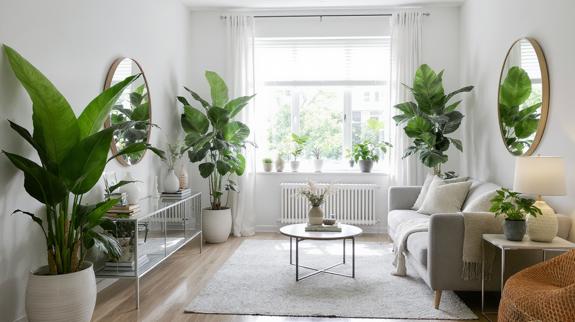
Discover the best indoor houseplants for small spaces. Learn how to choose, style, and care for indoor plants for clean air, low light, and every room in your home.
Indoor gardening always looks easy from the outside until you bring home a plant that slowly declines for no obvious reason. I’ve been there myself. I remember standing in my living room holding a withering pothos and wondering if I had a special talent for killing greenery. The truth hit me later. The problem wasn’t me. It was the lack of practical guidance for choosing the right indoor house plant in a small space.
Most articles toss giant plant lists at you. They rarely teach you how to match plants to real-life living conditions. I decided to take a different approach. I break plant care into simple, logical steps that help anyone build a thriving indoor garden.
If you are starting your journey or rebuilding after a few failures, you are in the right place. I’ll walk you through plant selection, styling, maintenance, and troubleshooting in a way that actually makes sense. Let’s build a small but mighty indoor jungle that’s easy to care for and enjoyable to look at.
Plan Your Small Indoor Garden
I always tell people to start by observing their space. A small home has microclimates. One corner feels drafty, another stays warm, and the window that seems bright during the day may actually offer indirect light most of the time. If you skip this step, you end up guessing. That guesswork kills more plants than anything else.
Check Your Light
Here’s my quick method.
- Look at the window orientation.
- Notice how many hours of natural light the space gets
- Identify whether the light is direct, filtered, or low
Most indoor house plant varieties fall into three simple groups.
- Low-light plants like ZZ plants and snake plants.
- Medium light plants like pothos and philodendron.
- Bright-light plants like aloe vera and idle-leaf fig.
Know Your Space
You do not need a big home to grow plants. You just need to map it correctly.
- Warm areas near windows
- Cool or drafty entryways
- Humid zones like bathrooms
- Dry spaces near heaters
Once you understand these patterns, choosing the right plant becomes much easier.
Choose Your Small Garden Style
Small indoor gardens work best when they follow one clear style. This helps you stay organized and prevents clutter.
Balcony Style: If you have even a tiny balcony, you can build a container-based mini garden using potted plants and stackable planters. Sun-loving plants like aloe vera thrive here.
Living Room Green Corner: This style focuses on larger focal plants like a fiddle leaf fig or rubber plant, supported by medium plants such as philodendron or Chinese evergreen.
Vertical Garden: This layout uses shelves, wall-mounted pots, and tall plant stands. It suits small apartments where floor space is limited.
Compact Edible Garden: Herbs, mini tomatoes, and microgreens work surprisingly well indoors. They need medium to bright light and regular watering.
Ornamental Mini Garden: Choose eye-catching foliage plants. Calathea, unusual plants like purple passion, or striking potted houseplants like variegated pothos can shine in a small space.
Best Plants for Small Indoor Spaces
Let’s shift from planning to specific plant recommendations. I organize these by function so you can pick based on what you need, not just what looks pretty.
Plants for Vertical Spaces
Vertical spaces stretch your garden upward, which is a huge advantage in small homes.
- Philodendron
- Pothos
- English ivy (grown safely indoors)
- Climbing hoyas

These cascading or climbing plants frame shelves beautifully and create a natural curtain effect.
Plants for Limited Floor Space
Compact plants stay tidy and manageable.
- Chinese evergreen
- ZZ plant
- Peace lily
- Snake plant
- Aloe vera
These common houseplants pack a lot of personality into small pots and suit almost any room.
Best Indoor Plants for Clean Air
Air-purifying plants are great companions for small apartments.
- Peace lily
- Snake plant
- ZZ plant
- Rubber plant
- Philodendron
They help remove common toxins and keep your indoor environment fresh.
Plants for Shade or Low Light
Great choices for windowless corners.
- ZZ plant
- Snake plant
- Philodendron
- Pothos
- Chinese evergreen
These plants are extremely forgiving. They work beautifully in hallways, bedrooms, and office nooks.
Plants for Bright Sunny Spots
Highlight spaces are not as common indoors, but if you have one, take advantage of it.
- Aloe vera
- Jade plant
- Fiddle leaf fig
- Rubber plant
These beauties grow strong and impressive in bright light.
Plants for Color and Visual Impact
If you want to brighten a dull space, go bold.
- Calathea
- Pink polka dot plant
- Purple passion
- Variegated pothos
- Anthurium ‘Veitchii’
These unusual plants add stunning texture and color.
Layout Ideas for Small Indoor Gardens
Here are a few simple layouts I often recommend for beginners.
3-by-6 Foot Mini Garden
- Place taller plants like the fiddle leaf fig or the rubber plant at the back.
- Use medium plants like peace lily or philodendron in the middle.
- Add trailing plants like pothos at the front.
Balcony Layout
- Line the railing with small potted plants.
- Place a tall plant like a majesty palm or aloe vera in one corner.
- Use a small shelf to stack herbs and succulents.
Vertical Garden Layout
- Install two or three wall shelves.
- Place trailing plants on the top shelf.
- Keep compact potted plants on the lower shelves.
Living Room Setup
- Choose one statement plant, like a snake plant or ZZ plant.
- Support it with two smaller plants for balance.
- Avoid overcrowding.
Design Tips to Make Small Spaces Look Bigger
Small gardens benefit from visual tricks that create a feeling of openness.
- Use repetition. Similar pots or plant types create a cohesive look.
- Keep tall plants near corners to pull the eye upward.
- Choose light-colored pots to brighten shadowy spaces.
- Use mirrors to reflect greenery and add depth.
- Stick to two or three plant colors to avoid visual noise.
Simple styling creates the biggest impact.
Maintenance Tips for Small Gardens
A small space means every plant needs to look healthy because one dying plant stands out quickly.
- Prevent overcrowding by pruning early.
- Rotate plants every few weeks to ensure even growth.
- Refresh soil twice a year to keep nutrients flowing.
- Water deeply but less frequently to encourage strong roots.
- Feed houseplants monthly during spring and summer.
Small routines keep your plants stable and stress-free.
Common Mistakes to Avoid
You can bypass a lot of frustration by steering clear of these pitfalls.
- Planting too many species in a tiny space
- Choosing full-size plants that outgrow your room
- Overwatering potted plants
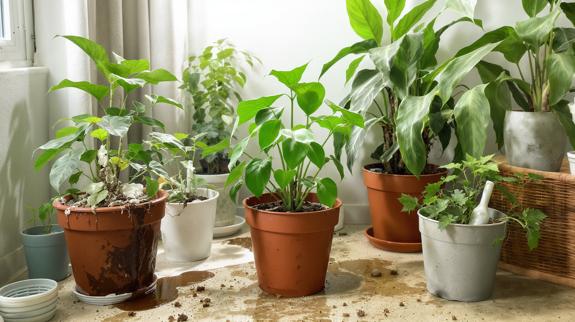
- Using pots without drainage
- Ignoring light requirements
Stick to plants that truly match your environment.
Seasonal Care Guide
Small gardens shift with the seasons just like outdoor ones. Seasonal plant care is important because indoor plants experience changing needs throughout the year, even when they’re inside. Light levels, humidity, temperature, and plant growth cycles all shift with the seasons. So your care routine needs to shift, too.
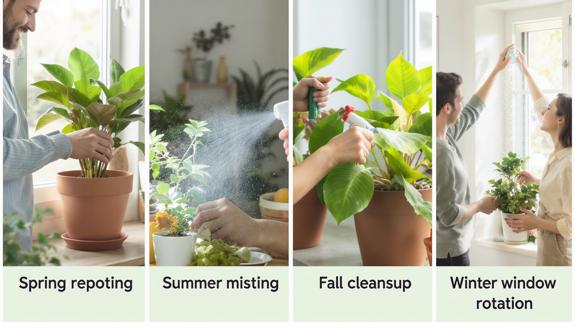
Seasonal plant care works with a plant’s natural rhythms.
| Spring | Repot if needed and start fertilizing lightly. Increase watering. |
| Summer | Watch for heat stress near windows. Mist humidity-loving plants. |
| Fall | Reduce watering and hold off on fertilizer. |
| Winter | Protect plants from cold drafts and rotate them toward available light. |
Summary
Building a thriving indoor house plant collection in a small space is far easier once you understand your light, space, and style. Start small, choose wisely, and let your plants grow with you. Your home does not need a lot of square footage to feel fresh, calm, and full of life. A small garden can be incredibly powerful when you pick the right plants and care for them with intention.
FAQs
What is the best houseplant for indoors?
Snake plant, ZZ plant, pothos, and philodendron rank highest because they tolerate low light and inconsistent watering. They suit beginners extremely well.
Which plant is good for a bedroom?
Peace lily, snake plant, or pothos work beautifully in bedrooms. They handle low light and contribute to cleaner air.
What are indoor plants called?
Indoor plants are simply referred to as houseplants or potted houseplants. These are species adapted to grow well inside a home environment.
Which plant removes negative energy?
Many people choose peace lily, jade plant, or snake plant for their calming presence. These plants are believed to enhance tranquility.
