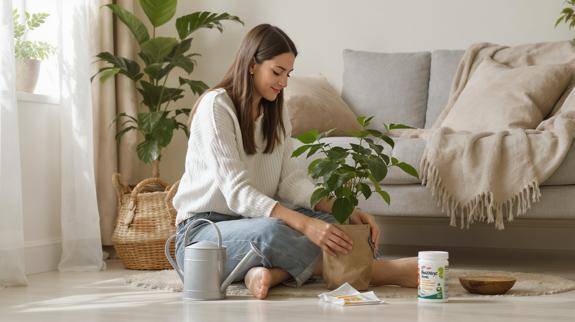
Learn expert houseplant care techniques with this complete indoor houseplant care guide. Discover how to care for indoor houseplants, maintain healthy leaves, choose the right conditions, and grow thriving plants in any space.
If you want a thriving indoor jungle, not a collection of sad, droopy, half-alive plants, you need more than random beginner tips. Proper houseplant care is about understanding light, soil, water, humidity, and plant behavior in small, controlled environments. Most people struggle because they treat indoor plants like outdoor ones or rely on guesswork. This guide fixes that.
Below is the only houseplant care guide you will ever need, simple, science-backed, and designed to turn your space into a healthy, vibrant indoor garden.
Basics of Houseplant Care
Indoor plants aren’t complicated; they’re just different. Outdoors, nature handles light cycles, airflow, moisture, and temperature shifts. Indoors, you become the ecosystem.
Proper Caring for Houseplants starts with three fundamentals:
Light, Water, and Soil. Ignore these, and even the easiest plants will collapse. Understand them, and even fussier species will thrive.
Indoor environments tend to have lower airflow, irregular light, and inconsistent humidity. That’s why a structured Indoor houseplant care approach matters; you are recreating nature in miniature.
Planning Your Indoor Houseplant Collection
Before buying new plants, evaluate your space. Many beginners fail because they buy based on looks, not conditions. The secret? Choose plants that match your environment, not the other way around.
Check These Factors Before Choosing a Plant
- Light levels: morning sun, afternoon sun, direct vs. indirect light
- Room temperature: most houseplants prefer 18–24°C
- Humidity: bathrooms, kitchens, and laundry rooms tend to be ideal
- Space: don’t squeeze plants into corners with stagnant airflow
Understanding these basics ensures your plants live long enough to actually enjoy them.
Indoor Houseplant Care
Watering is the number one reason people lose houseplants. Not underwatering, overwatering. Pots with wet, suffocating soil kill roots faster than a few days of dryness ever will.
- Water only when the top 1–2 inches of soil are dry.
- Water deeply until the excess drains out the bottom.
- Empty saucers to avoid waterlogged roots.
- In winter, reduce watering by 30–50%.
Plants don’t follow calendar schedules; they follow soil moisture patterns. Learn to read your soil, not your calendar.
The Foundation of Care Houseplants
The wrong potting mix can suffocate roots, trap water, and stunt growth. Good soil builds life; bad soil slowly kills it.
Ideal Indoor Potting Mix Contains
- Potting soil light, fluffy base
- Perlite or pumice, air pockets, and drainage
- Coco coir or peat, moisture balance
Avoid garden soil, as it compresses and suffocates roots indoors.
Choosing the Right Pot: Pick a pot with drainage holes, always. Decorative pots are fine only if you keep your plant in a plastic nursery pot placed inside them.
When to Repot: Once every 1–2 years, or when:
- Roots are circling inside the pot
- Soil drains too fast
- The plant dries out within two days
- Roots poke out of the drainage holes
Repotting rejuvenates plants by offering fresh nutrients and space to grow.
Secret Weapon in Care of Indoor Houseplants
Light, not water, is the true lifeline for indoor plants. Without proper light, plants stretch, fade, thin out, or stop growing entirely.
How to Understand Your Light Levels
- Low light: You can read a book, but no direct sunlight touches the area
- Medium light: bright room, but the sun doesn’t hit the plant
- Bright indirect light: sunlight comes through a sheer curtain
- Direct light: unfiltered sun hits the plant for hours
Smart Ways to Increase Light: Use mirrors to bounce sunlight, move plants closer to windows, and use LED grow lights for dark rooms
The right placement can revive a struggling plant instantly.
Humidity and Temperature for Healthy Houseplants
Most indoor plants come from tropical climates. Indoors, heating and AC systems create dry environments that stress plants.
Increase humidity easily by grouping plants, placing plants on pebble trays, using a small room humidifier, and avoiding placing plants near heaters or vents. Ideal humidity for most indoor plants: 40–60%.
Stable temperatures help keep plants productive, green, and stress-free.
Indoor Care: Feeding and Fertilizing
Plants need nutrients just like humans. But overfeeding is worse than underfeeding. Fertilize Indoor Plants:
- Use a balanced 10-10-10 or 20-20-20 liquid fertilizer
- Apply during the spring and summer only
- Feed once monthly, unless the plant is sensitive
- Skip fertilizing in winter when growth slows
Signs of overfertilizing include: brown tips, crusty soil, slow growth, or leaf drop.
Pruning, Grooming & Leaf Care Houseplants
Healthy leaves equal healthy plants. Dust, pests, dead foliage, or blocked light all weaken your indoor garden. Care for Indoor Plant Leaves
- Wipe broad leaves with a damp microfiber cloth
- Use a soft brush for fuzzy-leaf plants
- Shower plants occasionally to remove dust and pests
- Trim dead or yellow leaves regularly
Groomed plants photosynthesize better and stay more vibrant.
Vertical Gardening Ideas Indoor Spaces
If you want more plants but don’t have more space, think vertically. This is where you outsmart the room. Vertical Space Ideas
- Wall-mounted planters
- Hanging baskets
- Shelves above eye level
- Tall, slim plant stands
Vertical gardening creates lush, layered displays without overcrowding surfaces or floors.
Common Problems and How to Fix Them Quickly
Even experienced plant owners hit bumps. The key is recognizing the symptoms early.
Dropping Leaves
- Overwatering
- Sudden temperature change
- Low light
Yellow Leaves
- Too much water
- Nutrient deficiency
- Natural aging of lower leaves
Slow Growth
- Not enough light
- Poor soil
- Not enough feeding
Crispy Brown Tips
- Low humidity
- Excess fertilizer
- Underwatering
Troubleshooting early keeps your plants from permanent damage.
Seasonal Indoor Houseplant Care
Small environmental changes matter across seasons.
Spring
- Repot
- Fertilize
- Increase watering
- Move plants into brighter spots
Summer
- Watch for heat stress
- Increase humidity
- Water more frequently
Fall
- Reduce watering
- Stop fertilizing
- Remove faded leaves
Winter
- Keep plants away from heaters
- Provide more light
- Water sparingly
Adapting your routine ensures plants stay stable year-round.
Common Mistakes Beginners Make
These are the plant-killers:
- Overwatering
- Ignoring light demand
- Using pots without drainage
- Choosing the wrong plant for the room
- Not checking for pests regularly
- Placing plants too close together
Once you avoid these errors, indoor gardening becomes easy and enjoyable.
Quick Houseplants Care Guide Checklist
A short, simple checklist you can follow anytime:
- Check the light before choosing a plant
- Water only when the soil feels dry
- Use proper potting mix
- Maintain 40–60% humidity
- Clean leaves monthly
- Repot every 1–2 years
- Fertilize only in growing seasons
With consistency, even “difficult” plants become low maintenance.
Summary
Growing healthy indoor plants isn’t complicated once you understand how to manage light, water, soil, and humidity. With the right approach to houseplant care, you can turn even the smallest space into a thriving indoor garden filled with lush, long-lasting greenery. Start with a few plants, follow these steps consistently, and watch your home transform into a vibrant, refreshing sanctuary.
FAQs
How to properly care for house plants?
Give them the right light, water only when the soil dries, and choose pots with good drainage. Maintain humidity and clean their leaves regularly to boost growth.
What are the conditions for houseplants?
Most thrive in bright indirect light, moderate temperatures (65–75°F), and humidity around 40–60%. They also need well-draining soil and stable airflow.
What do I need for indoor plants?
You need quality potting mix, pots with drainage, a watering can, fertilizer, and access to suitable light. Optional tools include moisture meters and humidifiers.
How to take care of indoor plant leaves?
Wipe dust from broad leaves with a damp cloth, use a soft brush for fuzzy leaves, and prune any dead or yellow foliage. Clean leaves help plants absorb more light.
