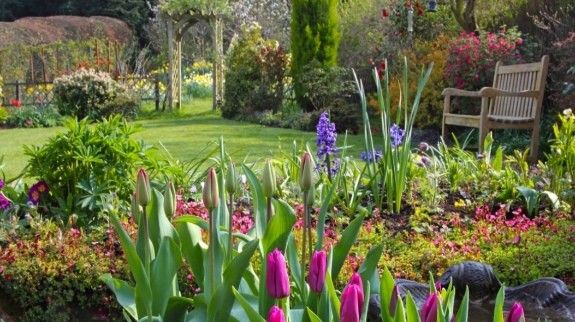
Let your garden smile with you by making a small space for garden flowers that fill your heart with joy and happiness. One of the best things about spring and summer is that they fill your garden with colors and blooms.
Whether you are growing a small planter or a full backyard, these garden flowers will instantly make your garden colorful and lift your spirits. Flowers are treasured additions to any garden; they come in a wide range of shapes, colors, and sizes. That looks so captivating and eye-catching that you wish to plant them all.
Want to grow garden flowers, but worried about space? No matter how much space you have, you can still plant them and make your small garden bright and adorable. You can plant flowers in pots as well as in the garden or in raised beds. A great benefit of growing garden flowers in pots is that you can move them indoors or outdoors.
This guide will give you plenty of inspiration, from long-lasting and easy-to-grow flower plants. Choose flowers to plant that are suited to your zone.
Flower Types
Flowers are diverse and cherished plants worldwide. There are different types of flower plants that you can grow to decorate your garden and fill it with fragrance.
Annual flowers complete a year cycle. They grow, bloom, set seed, and die. Perennial flowers grow year after year but mostly die in winter and grow back in summer. Bulbs are easy to grow and maintain, and mostly bloom in spring and summer.
Climbers and Vines are perfect for vertical garden flowers and grow to maximum height. Shrubs add background and long-lasting blooms. Some flowering shrubs return year after year.
These types will help you choose small flowers for your garden.
Pansy
Pansies are beloved cool-season flowers known for their face-like blooms. They are easy to grow in garden beds, borders, or containers. They thrive in spring and fall during mild temperatures.
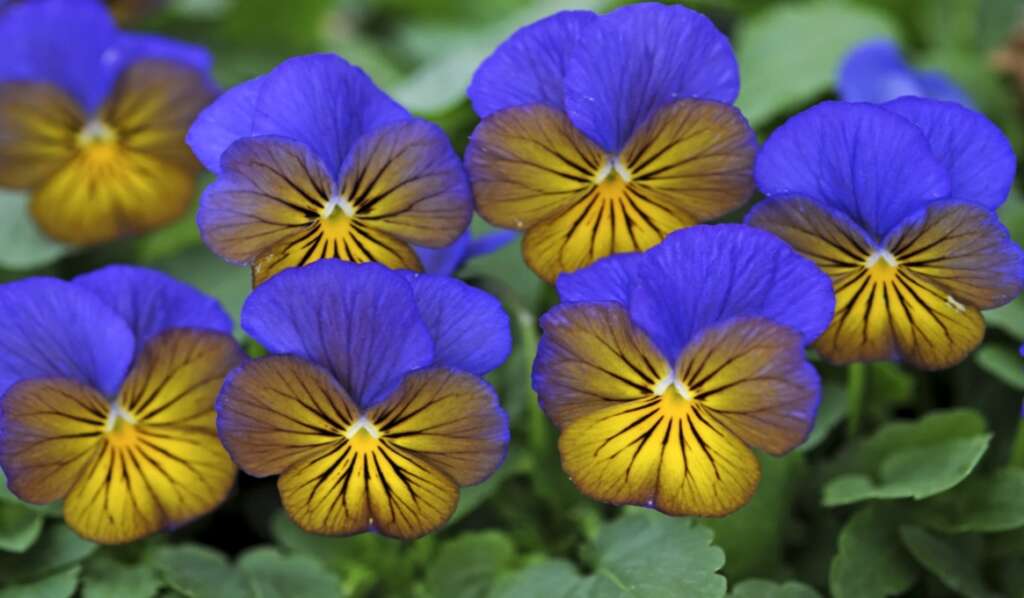
They are often like annuals that bring charm to the garden year after year. The benefits of pansy are that it is edible, and it adds color to salads.
Zones
- Hardy in Zones 6–10.
- Often grow as annuals in cold zones, but can overwinter in mild climates.
Colors
There is a wide variety of pancy colours
- Purple
- Yellow
- Blue
- Orange
- Red
- White
- Pink
- even Bi-color “faces.
Height
Usually 6–9 inches tall and spreads 9–12 inches.
Climates
These garden flowers thrive in cool-season climates, may struggle in hot summers, and are best for spring and fall.
Soil
They grow in well-drained, fertile soil, and slightly acidic pH 6.00–7.0.
Watering
They need moist soil, not too soggy. Need deep watering once or twice a week.
Bloom Time
They bloom in early summer and in summer during hot temperatures, and also bloom year-round in mild climates.
Best Temperatures
Ideal temperature (7–18°C), cannot tolerate extreme heat.
Care Tips
Mulch to help retain soil moisture, fertilize lightly every few weeks, and provide morning sun.
Violas
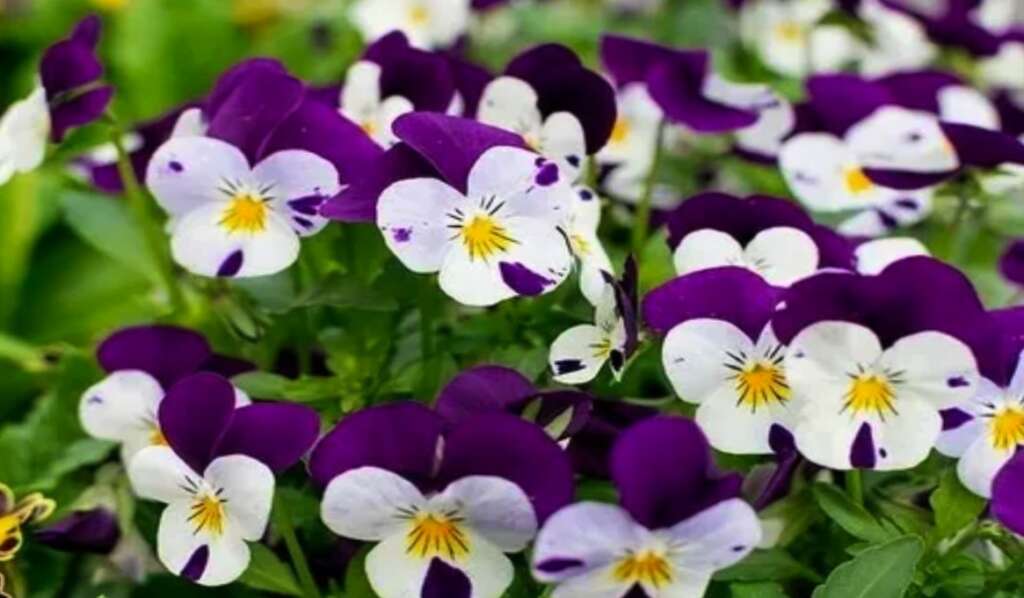
Viola is a charming garden flower as they brightens the garden with their colorful flowers. They are loved for their wide color range. Violas are charming, cool-season flowers, belonging to the large Viola genus with over 500 species. You can add them around the bed for border plants, or plant them even in a hanging basket for a small space.
Zones
The Violaceae family thrives in zones 3-8.
Colors
There is a wide variety of colors of Viola
- Purple
- Blue
- yellow
- white
- Multicolored blends
Height and Spread
It reaches 4-10 inches tall and spreads 4-8 inches wide.
Climate
These garden flowers are cool-season plants and struggle in a hot summer
Soil
It grows well in moist, well-drained, and slightly acidic soil.
Watering
Regular watering is necessary for moist soil, not for soggy soil.
Bloom Time
It blooms in early spring, fall, and in mild-weather climates.
Temperatures
The Violaceae family thrives in zones 3-8.
Care Tips
It requires partial to full sun, light feeding once a week, which results in more blooms.
Calendula
Calendula is a cheerful flower that is edible and also known for its bright yellow and orange colors from the daisy family. It is a traditional medicinal herb, easy to grow, and has long blooms.

Zones
Grown as an annual in most regions in Zones 2–11.
Colors
There is a wide variety of colors of Calendula
- Bright yellow
- Orange
- Golden daisy-like flowers
Height and spread
Typically grow 12–24 inches tall, with bushy and compact growth.
Climate
It prefers cool and mild climates and struggles in extreme heat.
Soil
Thrives in well-drained, fertile soil, tolerates average soil but dislikes heavy clay or soggy ground.
Watering
Regular watering is necessary for moist soil, but not waterlogged soil.
Bloom Time
Blooms from early summer until frost.
Best Temperatures
Grows best in 60–70°F, but does not grow well in hot weather.
Care Tips
Need mulching lightly to conserve soil moisture and collect seeds at the end of the season for replanting.
Snapdragon
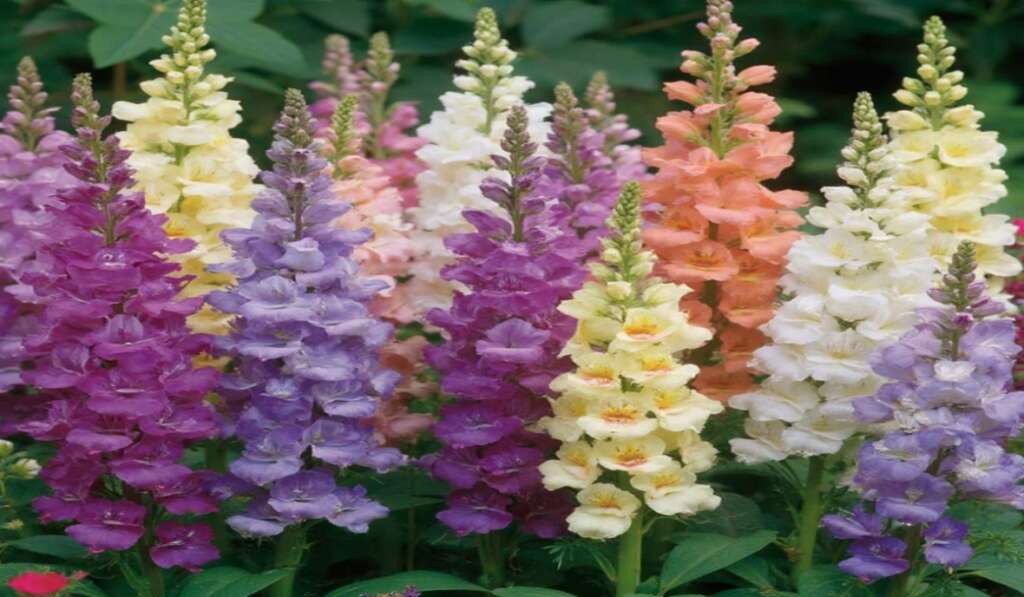
Snapdragons are cheerful, and versatile flowers loved for their dragon-shaped blooms. They are of wide colors and sizes and can be used for borders, beds, and containers. These are a little bit longer than the types discussed above, garden flowers that are also loved by bees and pollinators.
Zones
Grown as tender perennials in zones 7–11, often treated as annuals in colder zones.
Colors
There is a wide variety of colors of Snapdragon
- Red
- Pink
- Yellow
- Orange
- Purple
- White
- Peach
- Bi-colored varieties.
Height
Dwarf plant size is about 6–8 inches, and it grows up to 3 feet tall.
Climate
It prefers mild cool climates and struggles in extreme summer.
Soil
It grows well in moist, well-drained, and neutral to slightly alkaline pH.
Watering
They need moist soil, not too soggy or waterlogged. Need deep watering once or twice a week.
Bloom Time
Blooms from June through October.
Best Temperatures
- Daytime 15–24°C
- Nighttime4–13°C
- Can tolerate light frosts.
Care
Plant in full sun, feed with a balanced or high-potash fertilizer during blooming. If you have a tall variety, support it with stakes if needed. Avoiding overhead watering because it can cause fungal diseases.
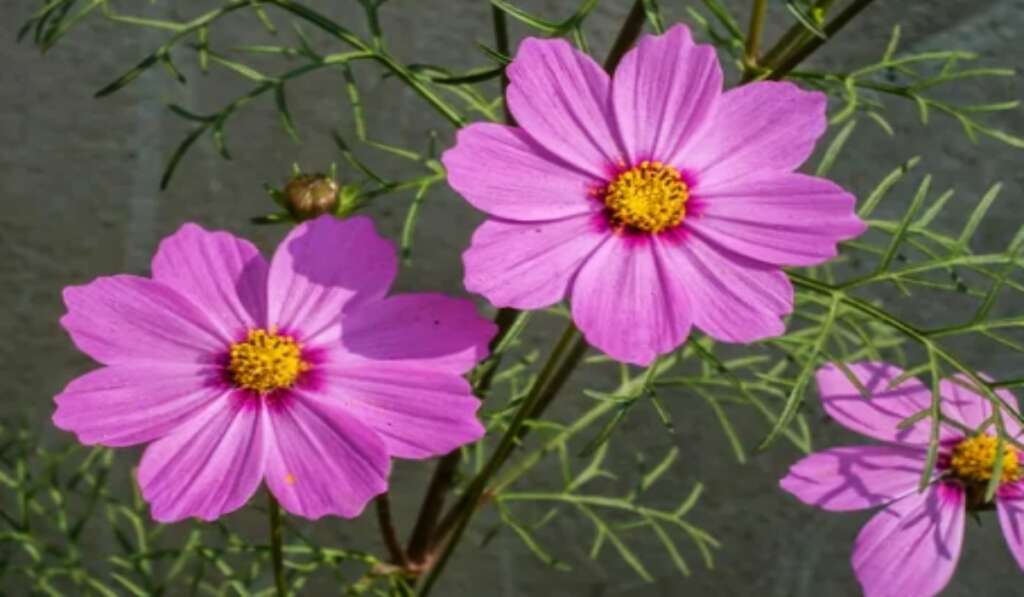
Cosmos
Cosmos is one of the easiest and most rewarding garden flowers you can grow. They are low-maintenance, thrive in poor soil, and bloom for months with less care.
Zones
Grown as an annual in zones 2–11. Chocolate Cosmos is a tender perennial in zones 7–11 if protected in winter.
Colors
There is a wide variety of colors of Cosmos
- White
- Pink
- Magenta
- Red
- Yellow
- Orange
- Apricot
- Chocolate-brown
- With many bicolored and fluted varieties
Height and Spread
Typically grow 1–6 feet tall and spread 1–3 feet wide, depending on the variety.
Climates
They are sun-loving plants that thrive in Warm-season and dry conditions. Excellent for summer and fall gardens.
Soil
They grow best in average to poor and well-draining soil, and avoid overly rich soil, which causes fewer blooms. Soil pH should be 6.0–8.0.
Watering
Mature plants can tolerate drought once established. Needs deep watering once a week. Overwatering can cause disease and reduce flowering.
Bloom Time
Blooms from summer until the first frost, providing months of color.
Temperature
Grow best in 65–85°F conditions and are frost-sensitive. Seeds germinate at soil temperatures of 70–75°F.
Care
You can sow seeds outdoors directly or sow them indoors if you are sowing them during frost. If plants grow tall, then support them with stakes if needed.
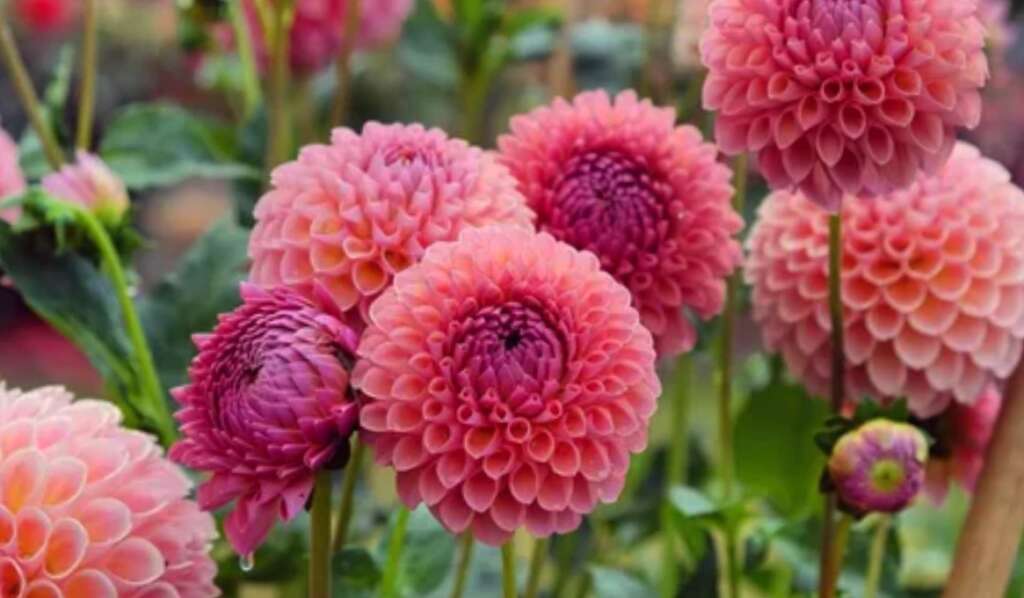
Dahlias
Dahlias are show-stopping garden flowers known for their variety of colors, shapes, and sizes. They fill the garden with their vibrant colors and their dramatic blooms.
Zones
Hardy in zones 8–10 as perennials and grown as annuals in colder zones.
Colors
There is a wide variety of colors of Dahlia, except true blue
- White
- Yellow
- Orange
- Pink
- Red
- Purple
- Burgundy
- Bi-colored
- Variegated forms
Height and Spread
They grow 1–6 feet tall and spread 1–3 feet wide, depending on the variety.
Climate Preference
They can thrive in mild, sunny climates, and they dislike extreme cold or prolonged heat.
Soil
They grow well in rich, loamy, well-draining soil with organic matter. Ideal soil pH is 6.5–7.0.
Watering
Do not water tubers until shoots emerge. Once established, water deeply 2–3 times per week, more in hot, dry weather.
Bloom Time
Flowers bloom in midsummer to first frost, and they offer continuous color during the late season.
Best Temperatures
Grow best in 60–70°F soil and moderate summer conditions. They are frost-sensitive and should be planted after all danger of frost has passed.
Care Tips
Plant smaller varieties 12 inches apart and larger ones up to 3 feet apart. Provide full sun 6–8 hours daily in hot climates, and give light afternoon shade. Stake taller varieties to support them.
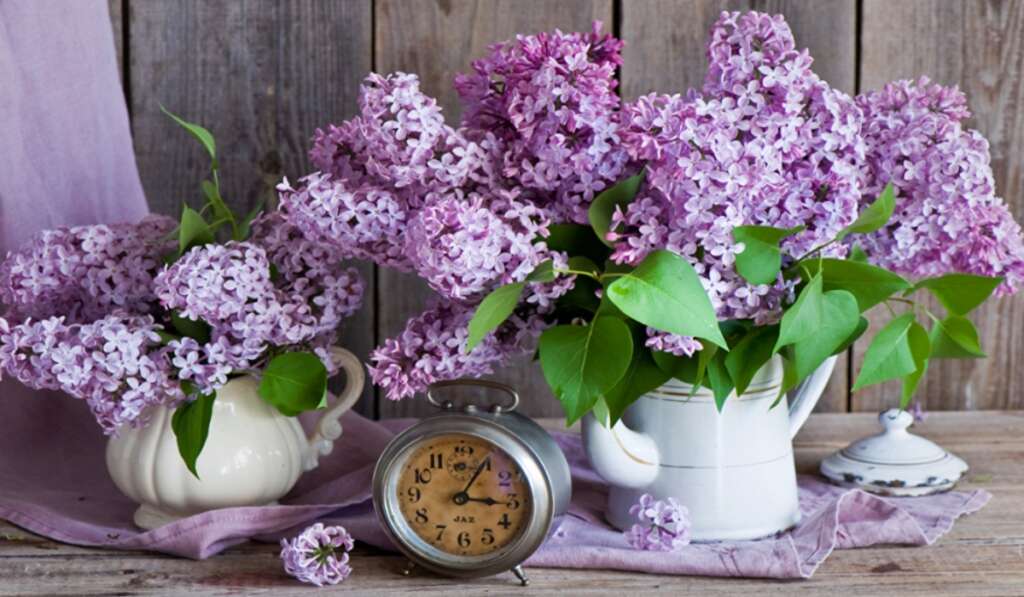
Lilacs
Lilacs are classic spring-blooming shrubs known for their heavenly fragrance and clusters of flowers. These hardy, long-lived plants have been cherished in gardens for centuries. Lilacs are among the easiest and most rewarding garden flowers to grow.
Zones
Lilacs generally prefer cooler climates; these are hardy in zones 3–7. Some newer hybrids may tolerate Zone 8.
Colors
There is a wide variety of colors of Lliac
- Purple
- Lavender
- Pin
- Magenta
- White
- Yellow
Many dwarf hybrids offer compact size with the same colorful blooms.
Height and Spread
Standard lilac plants grow 8–15 feet tall and spread 6–12 feet wide. Dwarf lilac varieties are Syringa meyeri or “Bloomerang that grow 4–6 feet tall, which are ideal for small gardens or containers.
Climate Preference
Thrive in cool to moderate climates and need cold winters for proper bud development. Not suited to hot, humid southern regions.
Soil
They prefer well-drained, loamy soil enriched with organic matter instead of heavy clay or soggy soils, having a pH slightly alkaline to neutral (6.5–7.5).
Watering
Moderate needs. Water once per week during dry spells, especially for young plants. Once established, lilacs are fairly drought-tolerant.
Bloom Time
They bloom in spring from April to June, depending on variety and region. Dwarf and reblooming varieties may flower again lightly in summer or fall.
Best Temperatures
Lilacs grow best where winters are cold, 40°F or below for several weeks, and summers are mild.
Care Tips
Fertilize lightly with compost, and remove old or weak canes at the base to rejuvenate older shrubs. Dwarf lilacs need less pruning and are easier to manage in small spaces.
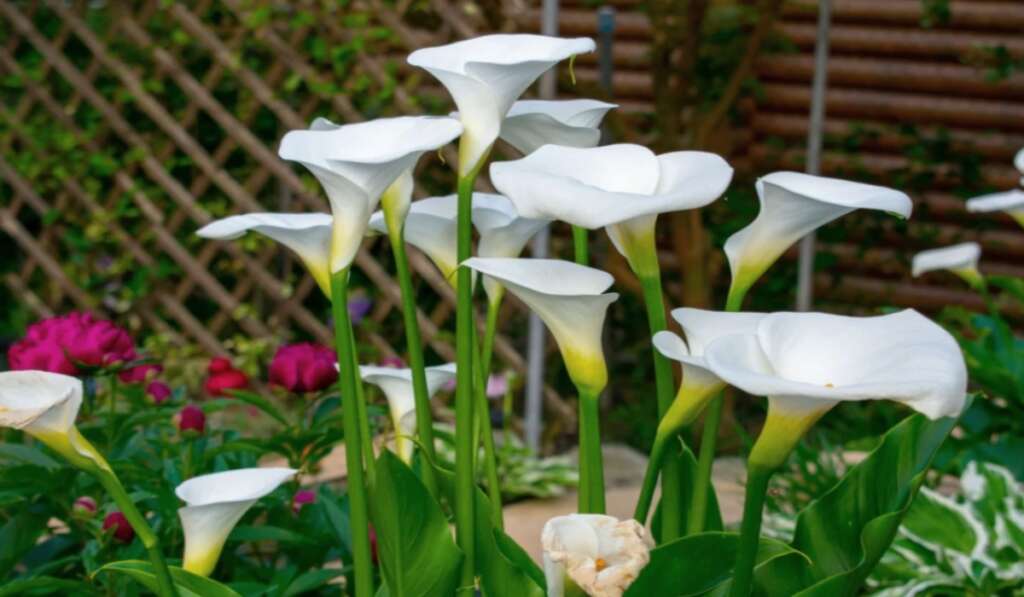
Calla Lily flower
Calla lilies are elegant, trumpet-shaped flowers that have been admired for their beauty. They are often associated with purity, rebirth, and celebration. The classic Calla lily is pure white, while modern hybrid comes in a variety of colours.
Zones
They are hardy in zones 8–10.
Colors
There is a wide variety of colors of the Calla Lily flower
- Classic white
- Yellow
- Orange
- Pink
- Red
- Burgundy
- Purple
- Green
- Near-black
Height and Spread
They grow 1–3 feet tall, spread 9–24 inches wide, depending on variety.
Climate
They can thrive in warm climates, frost-free climates with mild summers. You can also grow them in containers in cooler climates and overwinter indoors.
Soil
These flowers prefer rich, moist, well-drained soil with added organic matter. Avoid heavy clay or soggy conditions that may cause rhizome rot.
Watering
Keep soil consistently moist during active growth and blooming. Good drainage is essential to avoid waterlogging.
Bloom Time
Flowers bloom late spring through summer, lasting 6–12 weeks, and flowers appear about 8 weeks after planting.
Best Temperatures
The ideal range for temperature is about 15–27°C, and it becomes dormant below 10°C.
Care Tips
Plant rhizomes 2 inches deep in spring after frost danger, provide full sun to partial shade and afternoon shade in hot climates. Fertilize lightly with potash-rich fertilizer, and avoid excess nitrogen.
Summary
This article describes the beauty of garden flowers, from pansies and violas to dahlias, lilacs, and calla lilies. It explains their zones, colors, climates, soil, watering, bloom times, and care tips, helping gardeners grow vibrant, thriving blooms. In this guide, you have read which garden flowers are best for your small garden and how to select them according to your climate.
FAQs
Which is a popular garden flower?
The most popular garden flowers are roses, hydrangeas, petunias, dahlias, and lavender. But easy to grow for beginners are Dahlias, Pansies, Lilacs, and Violas.
Can you give me a list of flowers?
There are many common types of garden flowers like Roses, Tulips, Sunflowers, Daisies, Daffodils, and Orchids, along with other popular varieties such as Carnations, Lilies, Marigolds, Gerberas, Snapdragons, Zinnias, Dahlias, Pansies, Lilac, and Violas.
What is the most beautiful flower?
There isn’t one flower, but there are varieties of beautiful garden flowers like Lilies, violas, Dahlias, lilacs, Roses, and snapdragons.
What is the 20 flower name?
The 20 flower names are as follows
- Zinnias
- Dianthus
- Marigolds
- Impatiens
- snapdragons
- Pansies
- Crocosmia
- Penstemon
- Honeysuckle
- perennials
- annuals
- Hellebore
- Anemone
- Begonia
- Pansy
- Viola
- Calendula
- Snapdragon
- Cosmos
- Dahlia
