
Learn how to grow basil successfully in a small garden. From planting and caring for basil to growing it indoors or from cuttings, this complete guide helps you grow basil with confidence, even in limited space. Growing basil sounds easy until you try to do it in a small garden.
They thrive in the tropical climate. Other varieties, such as Thai basil or lemon basil, can also thrive in our climate, making them a great option for adding basil to your pasta or tea. Well, why don’t we try growing it at home? Today, I’m going to share with you how to grow basil at home and how to care for it.
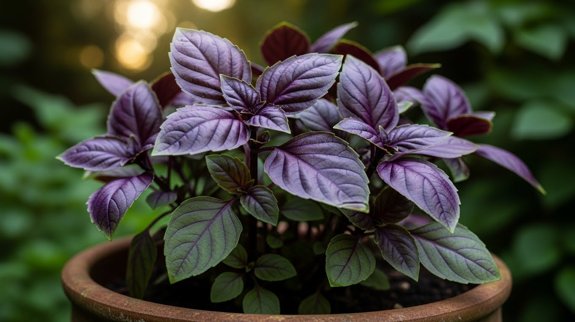
Most advice assumes you have endless sunlight, roomy garden beds, and perfect conditions. In reality, small gardens magnify mistakes. Overwatering happens more quickly, sunlight is limited, and a single overcrowded pot can ruin your entire harvest.
This guide shows you how to grow basil successfully in a small garden, step by step, without wasting space or frustration.
Why Growing Basil in a Small Garden Is Different
Basil plants are forgiving, but small spaces aren’t. Common small-garden challenges:
- Limited or uneven sunlight
- Crowded roots competing for water and nutrients
- Containers drying out too fast or staying too wet
- Less margin for error if something goes wrong
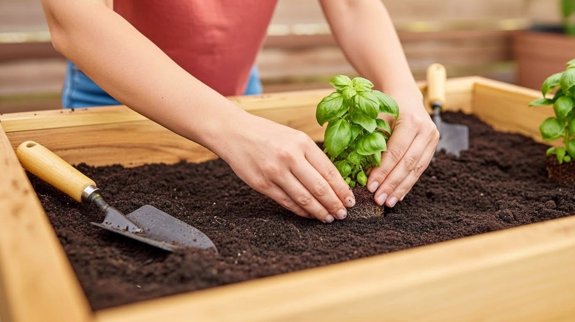
In a small garden, the goal isn’t just to grow basil plants; it’s to grow productive, healthy basil efficiently. Final and key tips to grow basil successfully in a small garden
- Don’t overcrowd basil plants
- Prioritize sunlight and drainage
- Harvest often and early
- Use containers when space is tight
With the right setup, you can grow basil confidently, even in the smallest garden.
- Genovese basil – Classic flavor, manageable size
- Greek or Globe basil – Compact and bushy, ideal for pots
- Thai basil – Upright growth, great for containers
- Lemon basil – Smaller leaves, lighter growth habit
Varieties to be cautious with: Large-leaf or aggressive growers, unless you prune often.
Choosing the Right Basil Plants
Not all basil varieties behave the same, and in tight spaces, choosing the wrong one creates unnecessary work.
Best basil varieties for small gardens
Starting with the right basil plants saves space and effort later.
Where to Plant Basil
Start basil from seeds. I recommend using the tissue paper method. You can directly sow them in soil as well, but the tissue paper method is a soilless method, which helps the seeds to germinate better.
Just add the seeds and then moisten tissue paper, fold,t, and then keep it in a sealed box or some kind of plastic pouch. What this will do is basically conserve the moisture when the seeds germinate, so you can transfer them to the soil.
Then you have to keep them outdoors, which brings me to a very important factor, which is the sun. It is a tropical plant right so it requires a good amount of sun. Just put it in the soil and keep it in a place that gets about two hours of direct sunlight. That is real, ly really important. Diesel cannot tolerate winter so much when the temperature drops below 0 degrees Celsius, basil leaves will turn they will start turning black, eventually the plant may also die.
Basil sunlight requirements: Basil grows best with 6–8 hours of direct sun, but small gardens don’t always offer that.
Good news: basil can still grow well with 5–6 hours if:
- The area stays warm
- Soil drains properly
- You harvest regularly
Best placement tips
- Choose the sunniest, warmest corner
- Use containers if light shifts during the day
- Avoid areas shaded by taller plants
How Much Space Does Basil Really Need?
Spacing matters more in small gardens than anywhere else.
Proper spacing guidelines
- In beds: 10–12 inches between basil plants
- In pots: One basil plant per 8–10-inch container
Those full grocery-store basil pots usually contain multiple plants competing for resources. In small gardens, that competition leads to weak growth and early failure.
Plant Basil the Right Way
- After temperatures stay above 10°C
- Ideal soil temperature 21°C
Seeds vs transplants: For small gardens, transplants are often the better option:
- Faster harvest
- Less wasted space
- Easier spacing control
Soil Setup
Healthy soil is the foundation of basil growing success.
Best soil mix for basil
- Quality potting soil
- Compost for nutrients
- Optional perlite or coarse sand for drainage
Avoid heavy garden soil in containers; it compacts roots and traps moisture.
Care for Basil
Watering basil, where most people fail. Basil likes moisture, not soggy roots. Simple watering rule:
- Water when the top 1 inch of soil feels dry
- Water deeply, then let excess drain
In hot weather:
- Pots may need daily watering
- Garden beds need less frequent checks
Basil growing temperature and season
- Ideal temperature: 21–32°C
- Growth slows 60°–15°C below
- Frost will kill basil
Containers help extend the basil growing season by allowing you to move plants when temperatures drop.
Basil Growing in Pots
Basil growing in pots gives you full control over space and conditions. There are some tips for growing basil in pots:

- Always use containers with drainage holes
- Deeper pots are better than shallow ones
- Never overcrowd plants
Many small-garden growers get better results in pots than in tight beds.
How to Grow Basil from Seed Indoors
Starting basil indoors is ideal for small gardens with short seasons. Step for growing basil from seed indoors:
- Start seeds 4–6 weeks before the last frost
- Use shallow trays or small pots
- Keep the soil warm and lightly moist
- Provide bright light or a sunny window
- Transplant once true leaves appear
This method prevents overcrowding and wasted space.
How to Grow Basil Indoors
Growing basil indoors works best when expectations are realistic. Indoor basil success tips:
- South- or east-facing window
- 12–14 hours of light
- Regular pruning to prevent legginess
Indoor basil grows more slowly than outdoor basil but provides steady harvests year-round.
Grow Basil from Cuttings
This is one of the most space-efficient ways to grow your own basil.
How to grow basil from cuttings
- Cut a 4–6-inch stem below a leaf node
- Remove lower leaves
- Place in water or moist soil
- Roots form in 7–10 days
- Transplant once roots develop
Cuttings let you multiply basil plants without buying more or using extra space.
Basil Growing Stages
Understanding basil growing stages helps you time care and harvest. The four main stages:
- Seedling stage
- Leaf development
- Rapid growth
- Flowering (bolting)
Your goal is to delay flowering as long as possible.
Pruning and Harvesting Basil
Pruning is what turns basil from a weak plant into a productive one. Tips for how to harvest basil correctly
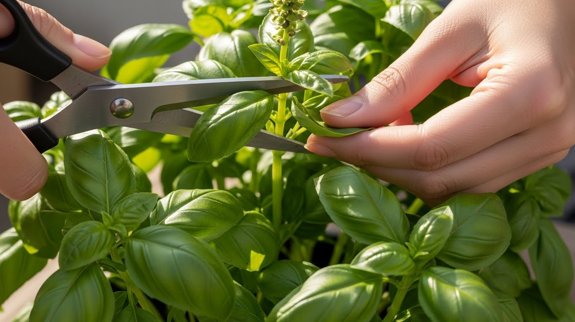
- Start harvesting at 6–8 inches tall
- Cut just above a leaf node
- Harvest every 7–10 days
Regular harvesting encourages bushy growth, which is ideal for small gardens.
Preventing Basil from Flowering
Flowering ends leaf production. How to prevent bolting:
- Harvest regularly
- Remove flower buds early
- Avoid stress from drought or crowding
In small gardens, stressed plants flower faster.
Common Small-Garden Basil Problems
Yellow leaves: Usually caused by overwatering or poor drainage
Slow growth: Not enough sunlight or nutrients
Brown spots: Cold stress or inconsistent watering
Small gardens don’t allow problems to linger; act early.
Grow Organic Basil in a Small Garden
Organic basil thrives when soil health comes first. Organic care tips
- Use compost instead of heavy fertilizer
- Feed lightly and consistently
- Healthy soil improves flavor
In small gardens, less fertilizer often produces better basil.
FAQs
How long does basil take to grow?
Basil is ready to harvest in about 3–4 weeks from seedlings and 6–8 weeks from seed, depending on warmth and light.
Does basil need full sun?
Basil prefers 6–8 hours of sun, but it can grow with slightly less if conditions stay warm.
What is the best way to grow basil?
For small gardens, growing basil in containers or raised beds with regular pruning works best.
Will basil regrow after cutting?
Yes. When cut above a leaf node, basil regrows quickly and becomes bushier.
