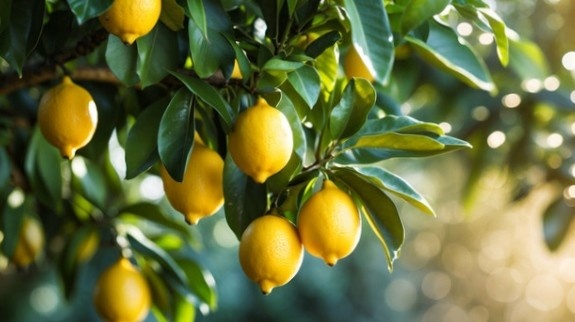
Make your garden a citrus paradise by diving into the world of lemon trees! Selecting the right lemon variety can add a new dimension of flavor to your food and kitchen.
After reading this, you will be able to select the best variety and learn the mastering tips for caring for your lemon tree. Lemon trees are the perfect choice, as they are evergreen with shiny green leaves and produce fruit rich in vitamin C. You will learn how to plant, identify the ideal atmosphere for your lemon variety, and naturally promote your tree’s health.
Types of Lemon Tree
A lemon tree doesn’t just brighten your garden but also brings flavor to your kitchen and freshness to your home. There’s nothing better than picking a fresh lemon for cooking or drinks from your own garden. Grow your own lemons to make your cuisine more tasty. Lemon trees with yellow fruit and white flowers not only look cheerful, but they also add flavor to food and drinks.

Let’s talk about: Are all lemons the same? Lemon varieties are not the same at all. There are distinct varieties of this plant grown all over the world. Some are tangy, while others are sweeter, and each variety has its own unique use in baking and cooking. You can grow lemons outdoors in warm climates, but they grow well indoors in cold climates. They can tolerate cold for a short period.
Meyer Lemons
First brought from China by Frank Meyer in the 1980s. These have a sweet flavor, so we can use them in desserts. Meyer trees produce fruit indoors and outdoors. But in the case of planting indoors, they must have well-drained soil and receive sunlight.

Meyer is sweeter and tangier, so we can use them in desserts and drinks to make our food delicious. These can grow well in gardens or containers, producing fruits in fall and winter. These are self-pollinating, which means they don’t need pollinators for fertilization, hardy, and more tolerant than others in cold climates.
These trees need protection below 20°F. Lemon trees can grow 5m tall and smaller as a draft plant to be potted. Moist soil for healthy roots and enough sunlight to grow are necessary. Plants need to be watered deeply when the topsoil feels dry, but keep in mind that overwatering can cause leaves to yellow and drop.
For planting the Meyer lemon, dig a hole 3 times wider than the pot. Plant at maximum depth in the ground, make sure the soil is soft and well-drained, so that the plant grows well and spreads. Remove dead or diseased branches and prune the tree to form a good structure.
Lisbon Lemon Tree
Lisbon is known for its tart, tangy flavor and bright yellow color. It is believed to originate in Portugal, specifically the Lisbon region.
These trees are also excellent for home growing. The size of the tree is medium to large, with textured skin and a strong citrus aroma. While growing outdoors, they can reach their maximum height.
Moreover, you can grow them in pots as dwarf trees, and they are a good variety to grow in small gardens. Lisbon trees are commonly used in the kitchen; these are tart, sour, and tangy with fewer seeds, and sometimes they are seedless.

Young Lisbon trees grow well in full sun with well-drained soil. Needs to be watered regularly if the topsoil feels dry. Older plants need less water as compared to young plants that love water and feed more.
Lisbon trees produce fruit well during winter. These are highly acidic and the first choice of gardeners and people. It adds a tangy flavor to the kitchen.
Lemon Eureka
Eureka is one of the best varieties of lemon in the world. Eureka plants are smooth-stemmed and have good, fragrant flowers. These plants grow 10-20 inches tall and are smaller as a dwarf fruit to grow in pots. The Eureka tree is commonly used in the kitchen. It produces fruit year-round in warm climates.

Can Eureka plants thrive well in all climates? Eureka plants grow well in warm climates. Plants should be planted in soft and well-drained soil. But they cannot tolerate strong winds. Though they are planted in pots to move indoors in cold climates.
Eureka are water lovers; they need moist soil but cannot tolerate water standing. Potted plants need a good-quality potting mix and need careful watering. With the right care, they can produce well in pots as well as in gardens.
Planting Lemon Tree
Lemon trees are captivating in gardens and patios as they give beauty, flowers with a fragrant and fresh, tangy citrus fruit. We can grow them in pots or containers as well as in gardens. But, to make our plant produce food, we have to care for it well and follow some steps. Choose the right spot, and prepare the potting mix well.
Choosing and Preparing the Field
Lemon trees should be planted in an area where they get enough sunlight, approximately 6-8 hours per day. These trees cannot tolerate frost and heavy winds.
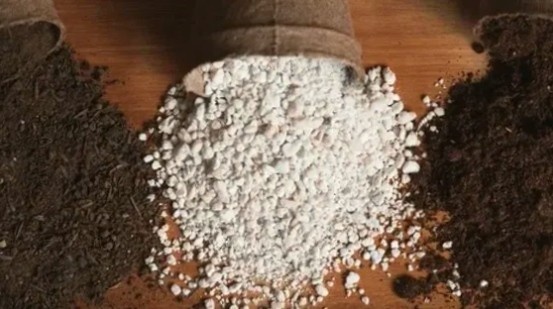
Choose the mound soil that has drained water, except for keeping it. This can cause leaves to turn yellow, make them shed, and drop. Lemon plants don’t tolerate wet soil for long periods. Planting on mounds is better to avoid waterlogging.
When planting a lemon tree, leave enough space for the roots to spread and grow. Dwarf plants are good for pots and growing them indoors.
Soil Mix for Planting Lemon Trees
The soil mix should be slightly acidic, mounded, and well-drained for planting lemon trees. Mounds are considered best for plants. To make heavy and clay soil ready for planting, add gypsum and fertilizers to it.

For planting in pots and containers, use a quality potting mix and add sand to it for drainage. Add mulch to pots or your containers to keep the moisture maintained.
Plant a Lemon Tree from Seed
Growing from seeds needs patience, as it takes plenty of time to grow and produce fruit.
- Take seeds from a healthy lemon. Soak them for 24 hours. Then plant them in a pot or container with healthy soil.
- Temperature and moisture need to be maintained. Keep the soil warm and moist till germination. It can take several weeks.
- Transplantation of a new plant is important because a large space is needed to grow faster and spread its roots. Once the seeds grow, they can be transferred to the large pot or into the ground.
Indoor Lemon Tree
Growing a lemon tree indoors is a wonderful way to enjoy fresh fruit, and it can be moved outdoors for sunlight. For growing good fruit in pots, a variety like Meyer is perfect.
Lemons don’t like too much water, so they need to be watered when the topsoil feels dry. Approximate temperature should be 65-75°F during the day, and it will drop a little at night.
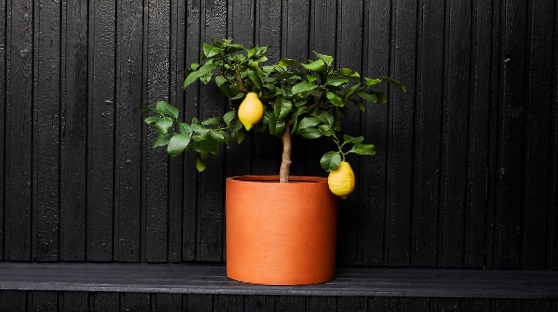
Clear dust from leaves so they have good sunlight, remove dead branches, and prune trees to keep them in good shape. Regular feeding and care encourage plants to grow fast. Growing plants indoors, there are no bees for pollination. So, we need to do this by hand.
Harvest when fully yellow with a scissor to avoid harming branches. It takes 6-9 months for fruits to ripen.
Care for Lemon Tree
Some tips for beginners for lemon tree care
- Lemon care centers on sun, soil, water, pruning, and patience.
- Place plants in direct sunlight for healthy growth and fruit production.
- Trees grow well in a warm atmosphere but struggle in the cold. That’s why, take your plants indoors during winter at night and bring them out for sunlight during the day.
- Water your plants once a week, keep the soil moist, and allow proper drainage.
- Pruning is best for the plant’s health, as removing dead and crossing branches makes plants look good.
- Watch out for pests like aphids, mites, or scale, and treat early with natural solutions. Natural solutions like Neem oil spray, garlic, or chili spray.

With proper care, watering, good soil, and feeding, your plants will reward you with fragrant blossoms, glossy leaves, and fresh lemons with tangy and tart flavor.
Advanced Lemon Tree Growing Tips
Lemon trees need plenty of water during the growing season, and they don’t need heavy pruning. They grow well and produce fruit in warm climates. They grow well in tropical and sub-tropical climates. However, they can tolerate cold but like warm climates.

Some tips to grow lemon trees are choosing the right variety that adds color to your garden. Selecting a spot for planting that receives enough sunlight, protecting it from cold temperatures, keeping the soil moist, and watering deeply when needed.
Feed regularly, pruning the tree gently, checking for pests, and removing them. Have patience, a lemon usually takes 6 to 12 months to ripen after flowering.
Summary
This beginner’s guide to a lemon tree helps you to choose the right variety, plant, and care for them both indoors and outdoors. It introduces a popular type, such as Meyer, for its sweet, tangy flavor. Lisbon is good for tart flavor. Eurea produces year-round fruit in warm climates.
This is the complete guide to planting in the ground or a container, or from seed, as well as indoor planting that needs hand pollination. Care tips include watering, temperature, rich soil, regular feeding, and pruning.
How to care for a lemon tree?
Lemon care is all about sun, soil, water, pruning, and a little patience. Lemons love warm climates and need 6-8 hours of sunlight daily, so they grow faster and produce well.
Do lemon trees need direct sunlight?
As a citrus variety, lemons need direct sunlight for 6-8 hours daily. In case of indoor planting, place them in front of a sunny window.
Where do lemon trees grow best?
Lemon trees are citrus fruits, so they love warm climates and grow well in sunlight. Lemons need daily sunlight. For indoor plants in a cold climate, take them out for sunlight and move them indoors at night.
Is it easy to grow a lemon tree?
Lemon trees are rewarding plants and easy to grow, but they require proper attention and care. They grow well when provided with the right conditions, including water, sunlight, rich soil, and regular pruning.
