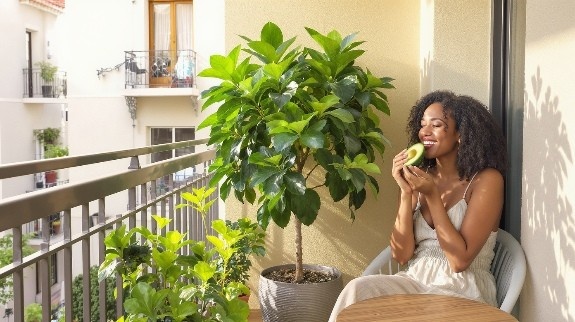
Learn how to grow a Hass Avocado tree in a small garden with this friendly, step-by-step guide. Discover planting tips, Hass avocado care, pruning, harvesting, and answers to common questions, perfect for beginners and urban growers.
If you have ever imagined picking your own rich, buttery Hass avocados right outside your kitchen door, even if your garden is barely the size of a patio, you are about to learn just how possible that dream really is. Hass avocado trees are surprisingly adaptable, incredibly rewarding, and far easier to grow in small spaces than most people realize.
While many guides online overwhelm you with orchard-level instructions meant for commercial farms, this guide is designed for real homeowners, balcony growers, and small-garden beginners who simply want clear, practical steps to grow a healthy avocado tree in a compact space.
With the right sunlight, soil, and care, your small garden can produce homegrown avocados that taste better than anything you will find in a store, and it all starts right here.
Hass Avocado: How to Grow Big Flavor
If you have ever dreamed of picking your own creamy, buttery Hass avocados straight from your backyard, even if that backyard is barely bigger than a yoga mat, you are in the right place.
Hass avocados are famous for being:
- rich and flavorful
- reliable producers
- forgiving for beginners
- surprisingly suited to small spaces
And while your competitors online are busy dumping big-farm advice and encyclopedia-style data, this guide speaks directly to small-garden growers who want a simple, practical, friendly path to success.
Let’s grow your very own California-style Hass Avocado oasis, right at home.
Growing Hass Avocado in Containers
If your garden space is extremely limited, container growing is an excellent approach. Start with a pot around 15 gallons and eventually upgrade to a 25-gallon container as the tree matures. Good drainage is essential.

Choose a pot with multiple holes and use a loose, fast-draining soil mix. The mobility of a potted tree is a huge advantage; you can shift it toward better sunlight, protect it from frost, or improve airflow simply by moving the pot.
Container size
Start: 15 gallons
Ideal: 25 gallons
Drainage
Non-negotiable. Use:
- large drainage holes
- gravel layer at the bottom
- fast-draining soil
Benefits
- Move the tree for better sunlight
- Bring indoors during cold snaps
- Control height more easily
Hass Avocado Farming
You don’t need acres of land to successfully “farm” Hass avocados. With consistent pruning, good sunlight, and the right soil and watering routine, even a compact garden can produce a surprisingly generous harvest. Think of it less like commercial farming and more like micro-farminghigh output from a very efficient, well-managed small space.
Hass Avocados are Perfect
Most people think avocados need massive orchards. Wrong. Hass avocado trees actually adapt beautifully to compact spaces because:
- They are easy to keep small, with simple pruning once or twice a year, you can maintain a healthy Hass Avocado tree at 8–12 ft tall, ideal for patios, courtyards, or tiny backyards.
- The fruit reliably, even a compact Hass can produce dozens of creamy avocados each year with proper care.
- They are the best tasting, high oil content, rich, nutty, buttery flavor. This is why California Avocado growers and home gardeners favor Hass above all other varieties.
- They thrive in containers; you can grow Hass avocado in a pot just as successfully as in the ground, making them perfect for tight urban spaces.
What You Need Before Planting Hass Avocado
Growing Hass avocados in a small garden is absolutely doable, but you need the right setup.
Sunlight
Your tree needs 6+ hours of sunlight. In small gardens, this often means:
- Placing it near a south-facing wall
- using reflective surfaces
- putting it where the afternoon sun hits directly
Space
Hass doesn’t need a giant yard, but give it:
- 4–6 ft of horizontal space
- Vertical height up to 10–12 ft pruned
Soil
Hass avocados hate wet feet. You have to make:
- loose soil
- well-draining
- sandy or loamy
- slightly acidic
If your soil is heavy clay, use a raised mound or a large container, the easiest fix.
A grafted tree
Seed-grown trees:
- take 10+ years
- Often never fruit
- grow too large
A grafted Hass avocado tree:
- stays manageable
- fruits in 3–5 years
- is genetically identical to commercial Hass
Step-by-Step Planting Guide
Whether you are planting in the ground or a container, these steps will set your tree up for success.
Choose the Right Spot
Small gardens don’t offer much flexibility, so think strategically:
- Pick the sunniest corner.
- Avoid low spots where water collects.
- A wall nearby gives heat for better fruiting.
Prepare the Soil
Use this simple mix:
- 50% garden soil
- 30% coarse sand
- 20% compost
If planting in a pot:
- Choose a 20–25 gallon container
- Use a cactus/succulent soil mix for perfect drainage
Plant at the Right Height
The top of the root ball should sit slightly above ground level, never buried deep.
This prevents root rot, the killer of backyard avocado trees.
Water Deeply
Hass avocado trees love sunlight, consistent moisture, and nutrient-rich soil. Place your tree where nothing blocks its light. Shade dramatically slows growth and reduces fruiting. Water your tree deeply and allow the soil to dry slightly between waterings.

Avocados generally prefer a wet–dry–wet rhythm, but small gardens often hold more moisture due to limited airflow, so it’s important not to overwater.
Right after planting:
- Water thoroughly
After that:
- Water once or twice a week
- Always let the top inch dry before watering again
- For containers, water more frequently but lightly
Avoid:
- soggy soil
- daily watering
- sprinkler systems
Mulch
Mulch helps retain moisture, but keep it 8–12 inches away from the trunk. Cold protection is equally important. Hass avocados don’t like frost, so provide a frost cloth on cold nights, mulch around the base, or move potted trees indoors when temperatures drop. Encouraging airflow through light pruning reduces the risk of fungal problems, which can be more common in tight spaces.
Hass Avocado Care Made Easy
Light
Sun, sun, and more sun. Shade slows growth, fewer flowers, and less fruit.
Place your tree where nothing blocks its light, especially in a tight garden.
Fertilizing
Feeding your tree during spring, summer, and early fall keeps it healthy. Use a balanced fertilizer such as 6-6-6 or 8-3-9, and supplement with zinc and nitrogen for the best results. Light, regular feedings are better than heavy, infrequent ones, especially in containers.
Hass avocado trees are heavy feeders, but too much fertilizer burns them fast. Use a balanced fertilizer like 6-6-6 or 8-3-9 during:
- spring
- summer
- early fall
Add zinc and nitrogen for strong growth.
How to Keep Your Hass Tree Small
This is where you crush your competitors; most guides ignore small-space pruning altogether.
Prune at least once a year. The best time is late winter and early summer.
How to prune
- Keep height under 10–12 ft
- Remove long vertical shoots
- Encourage side branches for fruiting
- Keep the center open for airflow
The question can be raised: why prune?
- More fruit in a small space
- Easier harvest
- Healthier tree
- Better sunlight penetration
A compact Hass is a productive Hass.
Heat and Microclimate Tips for Small Gardens
Small gardens tend to trap heat, limit airflow, and create shade pockets, so optimizing your microclimate can make a huge difference. Walls, fences, patios, and reflective surfaces can help bounce light onto your tree, increasing the overall sunlight it receives. These structures also store warmth and release it slowly at night, mimicking the warm microclimates that help California Avocado orchards thrive.
Cold protection is equally important. Hass avocados don’t like frost, so provide a frost cloth on cold nights, mulch around the base, or move potted trees indoors when temperatures drop. Encouraging airflow through light pruning reduces the risk of fungal problems, which can be more common in tight spaces.
Common Problems
- Yellowing leaves usually indicate overwatering. Allow the soil more time to dry between waterings and improve drainage if necessary.
- Brown leaf tips are often a sign of salt burn caused by fertilizer or mineral buildup. Flushing the soil deeply with clean water can help reduce the accumulation.
- Slow growth typically points to low sunlight, poor soil quality, or a rootbound container. Adjust the growing conditions to improve vigor.
- Fruit drop is normal on young Hass trees and usually resolves as the tree matures unless the drop becomes unusually heavy.
Harvesting Hass Avocado in Small Gardens
Knowing when to harvest is simple. Pick one of the larger fruits and let it ripen indoors. If it softens evenly within a few days, the rest of the crop is ready. Hass avocados never ripen on the tree; they only soften after being picked.
Most small-space trees yield between 20 and 50 avocados per year once established, and mature compact trees can even produce over 100 if cared for properly.
California Avocado Growing Secrets
California growers rely heavily on microclimates created by warm walls, dry soil, direct sunlight, and carefully controlled watering. These environmental factors help avocado trees grow stronger, healthier, and more productive.
You can recreate the same conditions in your small garden. A warm wall can store heat during the day and release it at night, a well-draining soil mix can mimic the dry slopes where avocados thrive, and controlled watering keeps the roots perfectly moist, never wet. These simple adjustments can elevate your small garden to true California-grade growing conditions.
Summary
Growing a Hass avocado tree in a small garden is completely achievable, deeply rewarding, and far simpler than many people imagine. With the right placement, careful watering, light seasonal pruning, and good soil preparation, even beginners can enjoy the satisfaction of harvesting their own California-style Hass avocados at home.
Your compact yard, patio, or balcony can become a thriving avocado haven, and with this guide, you now have the knowledge your competitors fail to deliver.
FAQs
How to grow a Hass avocado?
Plant a grafted Hass tree in well-draining soil, give it 6–8 hours of sun, water deeply but infrequently, and prune annually to control its size. Containers also work great for small spaces.
How to tell a good Hass avocado?
A ripe Hass avocado feels slightly soft when gently squeezed and has dark, bumpy skin. Avoid fruit with dents, bruises, or mushy spots.
How long does it take for Hass avocados to grow?
A grafted Hass Avocado tree usually begins producing fruit in 3–5 years. The fruit itself takes about 9–12 months to mature on the tree.
What are the common mistakes in growing avocados?
Biggest mistakes include overwatering, planting too deeply, using poor-draining soil, not pruning, and growing from seed instead of a grafted tree.
