
Monstera, also known as prayer plants, are some of the most beloved and oftentimes are understood as house plants out there. There are lots of different varieties of moras, and they are called prayer plants because in the evenings the leaves tend to go up, and then in the daytime the leaves go down.
So they are also known as dancing plants because if you do a time-lapse of them, they really look like the leaves are just dancing. They are such interesting plants.
They are native to the tropical forests in Brazil, and they are just really well known for their beautiful foliage. Prayer plant care made simple for small gardens and indoor spaces. Learn watering, light, humidity, and seasonal care tips to keep your prayer plant healthy.
Prayer plant care can feel tricky at first, especially when you are working with a small garden, balcony, or limited indoor space. These tropical plants are famous for their patterned leaves that fold up at night, but they’re also known for reacting quickly when something isn’t right.
However, they can have a reputation for being a little bit tricky. So, we are going to cover all of that today. Make it super simple so that you can have and enjoy prayer plants in your home.
The good news? Once you understand their care needs and how to adapt them to small spaces, prayer plants are very manageable. This guide focuses only on how I care for plants, cutting out distractions and giving you clear, practical advice you can actually follow.
Understanding Prayer Plant Care
Prayer plants naturally grow on the forest floor in tropical climates. That means they prefer:
- Filtered light
- Consistently moist soil
- Warm temperatures
- Moderate to high humidity
In small gardens or containers, these conditions are achievable, but they require intention and consistency, not guesswork.
Light Requirements for Prayer Plant Care
The lighting requirements for Moranta are one of the reasons why they are such terrific house plants, because they are pretty low maintenance when it comes to lighting. They don’t need that bright light that a lot of our other plants need. They are okay, pulled away from the window a little bit. Honestly, they prefer it.
These Leaves can easily get sunburned. So, if you have that space in your home where maybe some of your other plants wouldn’t necessarily thrive. This plant could probably do really well as long as it’s getting a decent amount of light throughout the day.
Prayer plants thrive in bright indirect light. This means plenty of light, but no harsh sun rays hitting the leaves directly.
Best Light Conditions.
- Near an east- or north-facing window
- A few feet back from a bright window
- Light filtered through sheer curtains
Avoid Direct Sunlight. Direct sunlight will:
- Fade leaf color
- Cause brown or scorched patches
- Stress the plant quickly
In small gardens or balconies, place prayer plants where they receive shade or filtered light only. Prayer plants can tolerate lower light, but growth will slow, and leaves may lose vibrancy. If light is very limited, a small grow light can help, especially in winter.
Prayer Plant Care Watering: Getting It Right
Watering is the most critical part of prayer plant care and the most common cause of problems. Prayer plants like evenly moist soil, but they do not tolerate soggy roots. These plants really enjoy a moist soil; they do not want to just be sitting in water.
One of the things that we don’t want to do with our tropical plants, really any tropical plants, is have them sitting in a lot of excess soil. Because when we water that soil, it’s going to become waterlogged. These plants want to be consistently moist. Um, they love consistency.
How Often to Water a Prayer Plant
- Water when the top 1 inch of soil feels dry
- In small pots, this is usually once or twice a week
- In winter, watering frequency decreases slightly
Always water thoroughly and allow excess water to drain away.
Water Quality Matters
Prayer plants are sensitive to chemicals in tap water. For best results:
- Use filtered, distilled, or rainwater
- Or let tap water sit overnight before watering
Poor water quality often causes brown leaf tips, even when everything else seems right.
Soil and Drainage for Proper Prayer Plant Care
Good soil and drainage are essential, especially in small containers. So, you can easily make your own soil recipe using two parts high-quality potting mix as your base. Maybe one part per pearliz for drainage and air flow, one part orchid bark for chunky structure for the roots.
And you could also incorporate a little bit of Pete Moss or cocoa core if you wanted to hold on to some additional moisture.
Ideal Soil: Prayer plants need soil that:
- Retains moisture
- Drains well
- Allows oxygen to reach the roots
A standard houseplant mix with added perlite or peat moss works well.
Drainage Is Non-Negotiable: Always use pots with drainage holes. In small gardens, poor drainage leads quickly to root rot, which is difficult to reverse.
Humidity: Key Factor in Prayer Plant Care
Humidity plays a major role in prayer plant health.
Ideal Humidity Range:
- 40–65% humidity
- Higher humidity results in healthier leaves
Small-Space Humidity Solutions: You don’t need extreme setups:
- Use a small humidifier nearby
- Group plants together
- Place plants in naturally humid rooms like bathrooms
Low humidity is one of the main reasons prayer plant leaves curl or develop crispy edges.
Temperature and Airflow Requirements
Prayer plants prefer stable temperatures. Ideal Temperature Range is 18–27°C. If you are comfortable in your home, your prayer plant, your Moranta, is going to be comfortable as well. If you’re really cold, your plant might be cold as well. They are tropical plants, so they love it to be warm, and they also love it to be humid. What to Avoid:
- Cold drafts from windows
- Air conditioners blowing directly on the plant
- Heat vents or radiators
In small spaces, temperature swings happen fast, so placement matters.
Prayer Plant Care Indoors
Indoor environments are often ideal for prayer plant care because conditions are easier to control. Indoor care tips:
- Place near indirect light
- Keep away from drafts and vents
- Monitor humidity during winter
Indoor plants tend to grow more consistently than outdoor ones when cared for properly.
Prayer Plant Care Outdoor
Prayer plant care outdoors works best in protected, small gardens.
Outdoor Care Guidelines
- Only place outdoors in warm weather
- Keep in shade or filtered light
- Protect from wind and heavy rain
If temperatures drop below 60°F, bring the plant indoors to avoid stress.
Fertilizing as Part of Prayer Plant Care
Prayer plants benefit from light feeding, but too much fertilizer causes damage, especially in small pots. So, the thing to be careful about is overfertilizing our plants because it can easily burn the roots, burn the leaves. So start slow at the beginning, see how your plant responds. If it’s loving it, if you’re not seeing any signs of the fertilizer causing any harm to the plant. Fertilizing Schedule:
- Spring and summer: every 2–4 weeks
- Use a diluted liquid houseplant fertilizer
- Stop fertilizing in winter
Prayer Plant Care in Winter
Winter is when many prayer plants struggle, not because they’re hard to grow, but because care isn’t adjusted.
Winter Care Adjustments
- Reduce watering frequency slightly
- Increase light exposure
- Maintain humidity
- Stop fertilizing
Dry indoor air during winter is a major cause of leaf problems, so humidity becomes especially important.
Prayer Plant Propagation as Part of Ongoing Care
Propagation isn’t just for making new plants; it’s also a way to refresh and maintain healthy growth.
Simple Propagation Method
- Divide the plant during repotting
- Ensure each section has roots and stems
- Replant in fresh soil
Propagation helps prevent overcrowding and encourages vigorous new growth.
Common Prayer Plant Problems and Solutions
Understanding problems is a crucial part of prayer plant care.
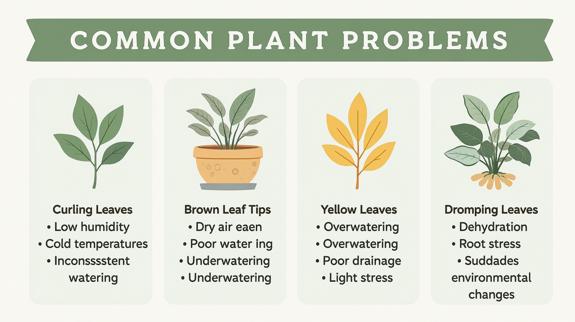
Most prayer plant problems are environmental and reversible when addressed early.
Summary
This article offers a clear, easy-to-follow guide for caring for a small indoor space plant. It explains their tropical background and focuses on essential needs such as bright, indirect light, steady watering, well-draining soil, warm temperatures, and proper humidity.
The guide also covers indoor and outdoor care, fertilizing, winter adjustments, propagation, and common issues, helping readers feel confident and prepared to keep prayer plants healthy, colorful, and thriving at home with simple routines anyone can follow easily every day.
FAQs
Do prayer plants need sunlight?
Yes, but only indirect sunlight. Direct sunlight can damage their leaves.
How often should I water my prayer plant?
Water when the top inch of soil is dry, usually once or twice a week in small pots.
Where is the best place to put a prayer plant?
Place it close to a bright window where light is filtered, keeping it away from cold drafts and direct sunlight.
How do I keep my prayer plant happy?
Give your prayer plant gentle, indirect light, water it regularly, keep it warm, and maintain humidity for steady, healthy growth.
