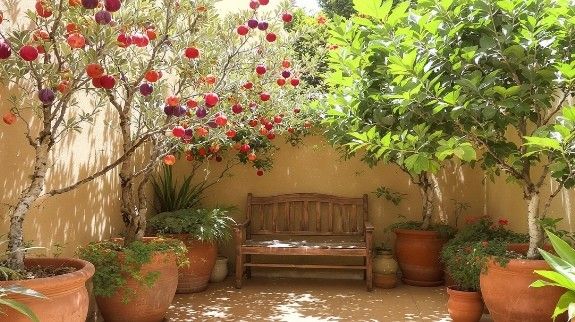
Dreaming of juicy fruits in your own backyard? Subtropical fruit trees are perfect for small gardens or even large pots, especially if you live in areas with mild winters. You don’t need a huge orchard or years of experience.
Want to grow fruits that are low-maintenance? Then grow subtropical fruit. Trees like fig Tree, olive, pomegranate, avocado tree, date, Passion fruit, and citrus can flourish in your backyard.
By selecting varieties that suit your climate, you can enjoy a diverse range of subtropical fruit without overcrowding your garden. Dwarf or self-pollinating options make them even easier to manage and harvest.

Ever wondered if you can grow your own fruit even in a tiny garden or a pot? You can grow subtropical fruit for small gardens or pots. It’s best to choose grafted trees instead of growing from seed. Grafted trees are smaller, easier to manage, and produce fruit faster and more reliably.
Grafted trees can also be more resistant to disease, so you get tasty homegrown fruit sooner without needing a lot of space or waiting for years.
Fig Tree
If you have a small garden, fig trees are a fantastic choice for subtropical fruit trees that fit perfectly in containers or tight spaces. Container planting is ideal if you want to move your tree indoors during colder months.
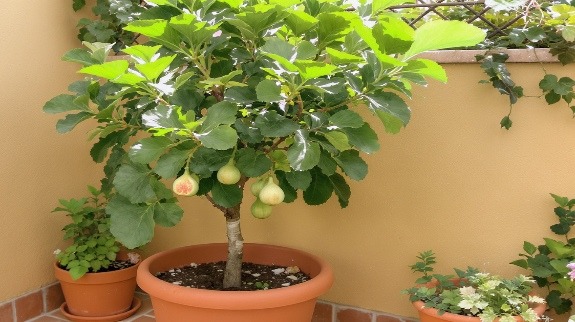
Prune during winter to control size and encourage bigger fruit. Most fig trees start fruiting in 2–3 years, often twice a year. If your tree isn’t fruiting, check sunlight, water, and pruning; small tweaks can make a big difference.
Zones: You can grow them in USDA zones 5–11.
Varieties: varieties like Black Mission, Hardy Chicago, Celeste, and Kadota are easy to handle and taste amazing.
Where to grow: Pick a sunny spot with well-draining soil; your balcony, patio, or even near a sunny wall works.
With dwarf or container-friendly figs, even a tiny garden can give you a delicious, homegrown harvest of subtropical fruit.
Olive
Do you want to grow subtropical fruit trees in your small garden? Let’s start with olives. Olive trees are amazing for small spaces because they’re drought-tolerant, love sunshine, and can even thrive in large pots.
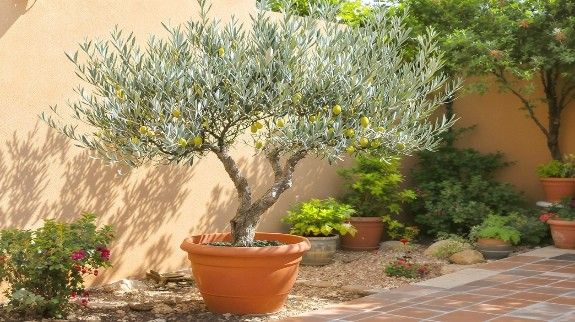
Prune in early spring to maintain a nice shape and remove dead or diseased branches. For container trees, you can also tip-prune main branches each year to control the size.
Zones: They grow best in USDA hardiness zones 8–11.
Varieties: There are green olives, picked before they are ripe and usually cured in brine, and black olives, left to ripen fully on the tree for a softer, milder flavor.
Where to Grow Olives: Plant your olive in a sunny, sheltered spot. Large containers or well-drained garden soil work best. Against a sunny wall is ideal, and make sure the pot has drainage holes if planting in a container.
With dwarf or container-friendly varieties, you can enjoy productive olive trees even in a small garden. A little care, the right spot, and some patience, and you’ll have a mini Mediterranean orchard right at home.
Pomegranate
Pomegranates are hardy and Subtropical fruit plants that thrive in warm, sunny climates. Best fruit, choose grafted or dwarf varieties; they take less space, produce earlier, and are easier to manage in a small garden. Pomegranate trees typically start bearing fruit in 2 to 3 years, depending on the variety and care.
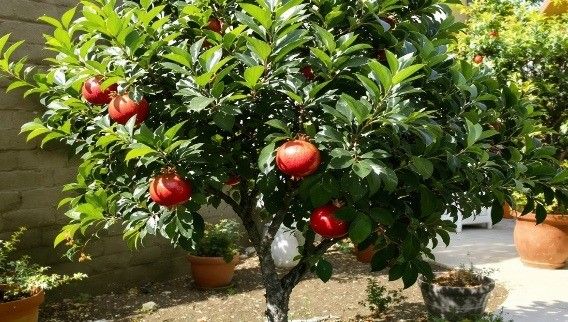
Regular pruning helps the tree focus energy on fruit production, removes dead or crossing branches, thins lower growth, and maintains a few strong trunks for an upright form.
Zones: They grow best in USDA zones 6–11.
Varieties: There are many types, from traditional red-seeded varieties to ornamental ones with unique flower colors.
Where to Grow Pomegranates: You can grow them outdoors in your garden or in pots on a sunny balcony, and you can even grow them in containers for colder areas.
If your subtropical fruit tree isn’t producing fruit, check its sunlight, watering, and fertilization, and make sure it has the right pollination conditions. With these simple care steps, and by choosing dwarf or container-friendly varieties, even small garden owners can enjoy juicy, homegrown pomegranates and other subtropical fruits while making the most of their limited space.
Avocado tree
Subtropical fruit trees like avocado are a great choice for small garden owners who want a touch of the tropics at home.
Light pruning helps to control your avocado’s height and shape, making it easier to manage in compact spaces.
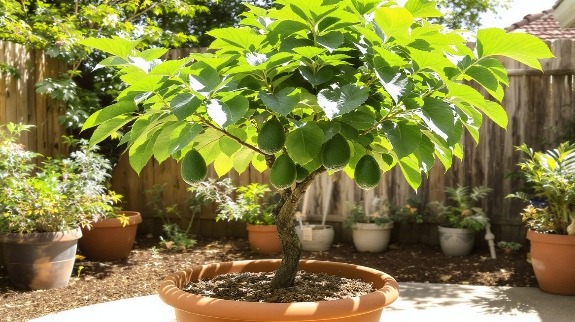
Zones: Avocado trees grow best in USDA zones 9–11, where the climate is warm and frost-free.
Varieties: There are different types of avocados, often grouped as type A or type B, based on how their flowers open for pollination, like Wurtz, Holiday, or Lamb Hass.
Where to grow: If you live in a cooler area, you can still grow a dwarf or grafted variety in a large container so it fits comfortably in a small garden or patio.
Avocado trees love full sun, well-draining loamy or sandy soil, and regular deep watering once the top layer dries. For small spaces, mulch around the base to keep roots cool and moist, but avoid placing mulch directly against the trunk.
Avocado trees usually take 5 to 13 years to produce fruit from seed, but grafted dwarf varieties can bear fruit in as little as 3 years.
With the right care, even your small garden can be home to a lush, fruiting avocado tree that brings a bit of the subtropics right to your backyard.
Passion Fruit
Subtropical fruit trees like the passion fruit vine are perfect for small garden owners who want a touch of the tropics in limited spaces. Passion fruit is native to South America.
The best part? A single vine can give you shade, beautiful flowers, and lots of juicy fruit, all while fitting perfectly in your small garden or patio space.
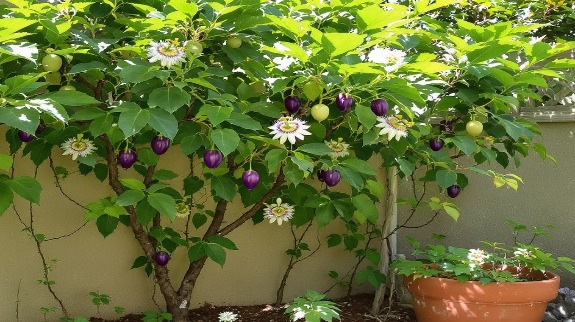
Zones: They thrive in warm, frost-free areas in USDA zones 9–11.
Varieties: There are a few tasty types you can grow, like purple passion fruit, which is compact and sweet, or yellow passion fruit, which does great in hotter climates. If you prefer something unique, sweet granadilla and banana passion fruit are also fun to try.
Where to grow: Make sure your vine soaks up 6–8 hours of sunlight a day, and keep the soil draining well. Passion fruit really doesn’t like wet feet. Find a sunny corner that’s sheltered from strong winds, that’s where your plant will be happiest. If you’re planting in a pot, go for one about 18–24 inches deep and fill it with rich, healthy soil.
This Subtropical fruit usually starts giving fruit within one to two years, so you won’t have to wait long to enjoy its tangy sweetness. If your plant isn’t producing much fruit, it might just need a bit more sun or a little help with hand-pollination.
When caring for your vine, don’t worry, it’s actually quite easy. Every few months, give it a boost with compost or organic feed, and trim it after it fruits to keep it neat and growing strong.
Summary
If you dream of growing juicy fruits but don’t have much space, subtropical fruit trees are a perfect pick. The great thing is, you don’t need a big orchard or tons of experience, just the right varieties and a bit of care.
Trees like figs, olives, pomegranates, avocados, and passion fruit can all thrive beautifully in small gardens or even large containers, especially if you pick dwarf or grafted types. These trees not only save space but also bear fruit faster and are easier to manage.
So overall, if you’ve got a small garden, balcony, or patio, you can still enjoy a colorful mix of subtropical fruits. The trick is to pick compact or self-pollinating types, give them plenty of sunshine, and just a bit of pruning and love. With that, you can turn even the tiniest space into your own mini tropical paradise.
FAQs
What is the easiest fruit tree to grow?
Honestly, if you’re just getting started, go for a fig tree; it’s a subtropical fruit and super easy to grow and doesn’t need much attention. Apple and pear trees are also great choices because they’re hardy and grow well in most areas.
What type of tree is a fruit tree?
A fruit tree is basically any tree that grows fruit we can eat, like apples, mangoes, or oranges. In simple terms, it’s a flowering tree whose blossoms turn into fruit after pollination.
Why are they called passion fruit?
They’re called passion fruit because they grow on the passionflower vine, a beautiful climbing plant that gardeners love for its exotic flowers and tasty fruit. The name comes from the flower’s structure, which reminded early gardeners and missionaries of the “Passion of Christ.” It’s both a decorative and productive plant to grow in your garden.
Is a pomegranate easy to grow?
Yes, pomegranate is actually quite easy to grow. It’s Yes, pomegranate is actually quite easy to grow. It’s a subtropical fruit as it loves warm, sunny weather and can handle dry conditions really well. As long as you plant it in well-drained soil and give it regular watering while it’s young, it will thrive and reward you with lots of juicy fruits every year.
