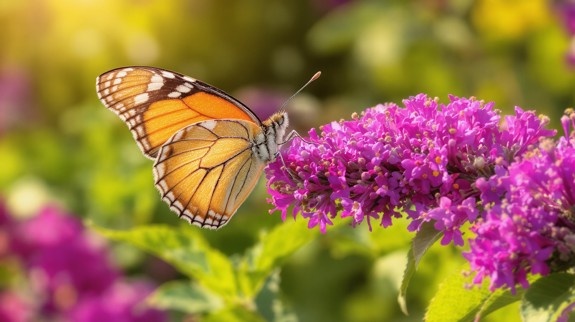
Learn how to grow and care for a butterfly bush in a small garden. Discover the best compact Buddleja varieties, planting tips, pruning guidance, and space-saving ideas to keep your butterfly bushes healthy and blooming all season.
If you have a small garden and you have been dreaming of big color, loads of butterflies, and a plant that blooms from summer right into fall, the butterfly bush can feel like a wish come true.
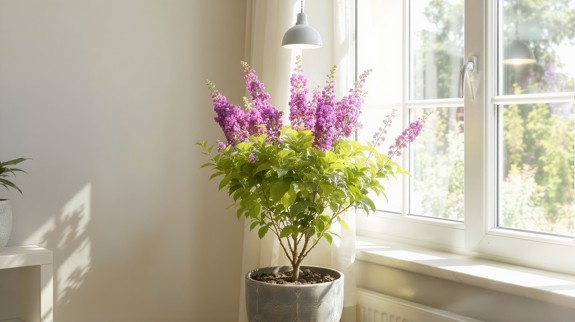
I love these woody shrubs because they bring life, movement, and fragrance into even the tiniest outdoor spaces. But here’s the truth I learned the hard way: butterfly bushes grow quickly, they can take over a tight garden, and the wrong variety can make a small space feel crowded or messy.
That’s exactly why I created this guide. I wanted something that would actually help small garden owners choose the right Buddleja species, avoid common mistakes, and grow butterfly bushes in a way that works with their space, rather than against it. If you want beautiful color without chaos, you are in the right place.
Grow Butterfly Bush
Absolutely, you can grow butterfly bushes in a small garden. The trick is choosing compact varieties, planting in the right spot, and understanding that these shrubs grow fast. You don’t need a giant backyard.
You just need thoughtful placement, plenty of sun, and a willingness to prune once a year. I like to think of butterfly bushes as enthusiastic guests: they are fun, but you have to set boundaries.
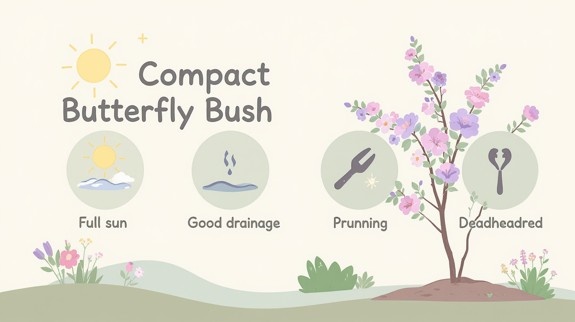
Quick checklist to see if your small garden is a match:
- At least 6 hours of sun
- Good drainage
- Space for a 2 to 4-foot plant
- Ability to prune in spring
- Willingness to deadhead responsibly
If you can check those boxes, you are golden.
Best Butterfly Bush Varieties
Most people don’t realize how many sizes butterfly bushes come in. Some grow 10 feet tall, which is way too big for tight spaces. But others stay compact and tidy, and that’s what I lean on for small gardens.
Best for Containers
These are perfect for patios, balconies, and tiny yards, as they grow 2 to 3 feet tall.
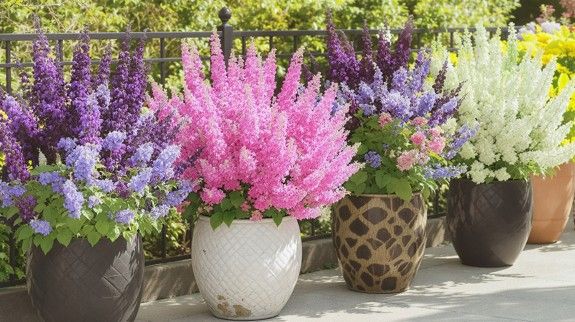
- Lo and Behold Blue Chip Jr.
- Lo and Behold Pink Micro Chip
- Pugster Blue
- Pugster White
- Flutterby Petite series
Best for Narrow Borders
These stay slim without dominating your garden, as they grow 3 to 4 feet tall.
- Purple Haze
- Ice Chip
- Miss Molly compact, intense pink-red flowers
Best for Harsh Climates
Cold climates: Pugster series thicker stems resist winter damage
Hot or dry climates: Lo and Behold series
Coastal gardens: dwarfs with flexible stems
High altitude: compact types that can handle cool nights
Best for Beginners
I always recommend Blue Chip Jr. and the entire Pugster line for people who want fuss-free, reliable bloomers.
Quick Decision Matrix
Small yard but sunny: Pugster
Shady but bright: Miss Molly (tolerates slight shade)
Want a container plant: Blue Chip Jr.
Need low maintenance: Pink Micro Chip.
Choose The Right Butterfly Bush
Picking the right Buddleja species is half the battle. Here’s how I choose:
Measure your space: I always allow at least a 2 2-foot footprint for dwarf varieties. Anything smaller than a butterfly bush can feel jammed in.
Test your drainage: Pour a gallon of water over the planting spot. If it doesn’t drain within 30 to 40 minutes, improve the soil or plant in a container.
Check sun exposure: Butterfly bushes need sunlight more than anything else. Less sun equals fewer blooms.
Plan your color scheme: White brightens up shady corners. Deep purples add contrast. Blues and pinks give a cottage garden vibe.
Step-by-Step Planting Butterfly Bush
Preparing the Site: Most small gardens struggle with compacted soil. I break up the top 10 to 12 inches and mix in compost to improve airflow and drainage. I also avoid planting in the lowest corner of the yard where water tends to pool.
Planting instructions for bushes:
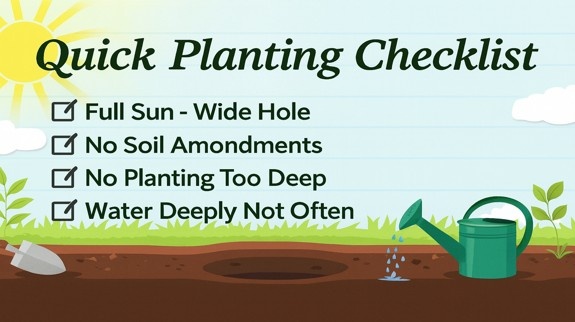
- Dig a hole twice as wide as the container
- Keep the top of the root ball level with the soil surface
- Backfill with your native soil only
- Water slowly and deeply
- Add a light compost layer on top, not mixed into the soil
Growing Butterfly Bush in Containers
Container planting gives you the most control, which is why I often recommend it for small gardens.
Best pot size: Use a container at least 16 to 20 inches wide. Bigger is better because these plants grow fast.
Best soil mix: Use a lightweight potting mix. Avoid garden soil because it compacts and suffocates roots.
Preventing toppling: I always place heavy containers in corners or against a fence where wind can’t knock them over.
Seasonal care: Water more often than in-ground plants. Container soil dries fast. Add compost in spring. In cold climates, wrap the pot or move it somewhere sheltered.
Small Garden Butterfly Bush Care
This is where most people slip up. Care is simple, but small spaces add extra challenges.
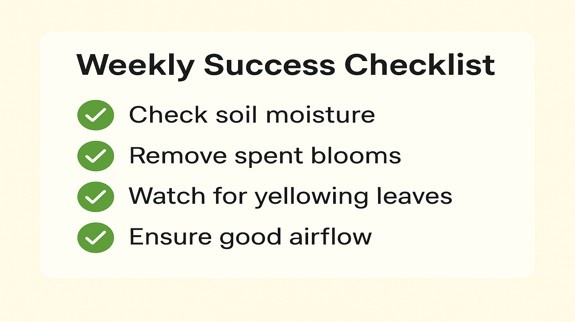
Sun: Aim for 6 to 8 hours of direct light.
Soil: Well-draining soil is the number one priority.
Watering: First year: water deeply once a week
After year one: only water during long dry spells
Airflow: Small gardens can feel cramped. Give your butterfly bush a little breathing room.
Why Butterfly Bushes Die
Root rot: This is the most common issue. Wet soil suffocates roots. Mushy stems and yellow leaves are early warning signs. Fix by improving drainage or moving the plant to a raised bed.
Winter damage: Cold snaps can kill stems, especially in small gardens where wind funnels between structures. Prune all dead wood in spring.
Planted too deep: If the crown sits below soil level, the plant struggles to breathe. Gently lift and replant at the right height.
Not enough sun: Thin growth and few flowers mean the plant needs more light.
Water stress: Crispy leaves mean drought. Mushy stems mean too much water.
Revive a struggling plant: Cut back dead stems, improve drainage, water deeply but rarely, and give the plant full sun. Butterfly bushes bounce back fast when conditions improve.
Age-Based Care
Year 1: Focus on root development. Consistent watering is key.
Year 2: Shape the plant and encourage branching.
Year 3 and Beyond: Full blooming potential, stronger stems, and a predictable growth habit.
Pruning Butterfly Bushes
- Pruning keeps your butterfly bushes compact, healthy, and full of flowers.
- Prune in early spring, once you see green buds.
- Cut back stems to about 12 inches above the ground for most dwarf varieties.
- Before pruning tall trees and woody stems
- After pruning the short, sturdy framework
- 30-day regrowth, fresh leafy shoots everywhere
- Deadheading, removing old blooms, encourages new flower spikes.
Region-Specific Care Tips
Hot, dry climates: Choose drought-tolerant dwarfs and water deeply once a week.
Cold regions: pick Pugster varieties and mulch heavily in winter.
Humid areas: Improve airflow and avoid overhead watering.
Coastal Gardens: Use short, flexible varieties.
High Altitude: Look for frost-tolerant types.
Companion Plants
Combine butterfly bushes with compact pollinator-friendly flower plants like:
- Coneflowers
- Asters
- Dwarf bee balm
- Lavender
- Dwarf ornamental grasses
You can also mix in host plants like milkweed to support caterpillars, not just adult butterflies.
Mini Layout Ideas
- A narrow border with a butterfly bush, coneflower, and lavender
- A container trio with a butterfly bush, trailing verbena, and purple fountain grass
- A patio corner planting with a white butterfly bush, salvia, and dwarf asters
Invasiveness
Butterfly bushes can spread in some regions, but compact sterile varieties solve most of the problem. I always recommend removing spent blooms before seeds form and choosing approved sterile cultivars in areas with restrictions. If you want native alternatives, try black eyed Susan, goldenrod, or native asters.
Troubleshooting Quick Answers
- No blooms? Not enough sun or too much water.
- Yellowing leaves? Drainage issue or overwatering.
- Leggy growth? Needs more light or a harder prune.
- Too many seedlings? Deadhead more often.
Monthly Butterfly Bush Care Calendar
| Month | Butterfly Bush Care Task |
| March | Prune hard to shape the plant and encourage strong new growth |
| Apirl | Add compost to enrich the soil and support spring growth |
| May | Monitor new shoots and check overall plant health |
| June to August | Deadhead regularly and water during drought or extreme heat |
| September | Reduce watering and allow the plant to slow down naturally |
| October | Perform light cleanup and remove faded blooms or weak stems |
| November to February | Provide winter protection in cold regions, especially for container plants |
Summary
I love using butterfly bushes in small gardens because they bring such incredible color and life without demanding much in return. When you choose the right compact variety and plant it thoughtfully, you get a show-stopping shrub that plays nicely with limited space. Small gardens can absolutely handle butterfly bushes, as long as you give them what they need and prune them once a year.
If you want a garden bursting with butterflies, fragrance, and nonstop summer flowers, a well-chosen Buddleja is your new best friend.
FAQs
What are the disadvantages of a butterfly bush?
They can spread through seeds in some regions and may outgrow small spaces if you choose the wrong variety or skip pruning.
What is another name for a butterfly bush?
They are also called Buddleja or summer lilac.
Does a butterfly bush need sun or shade?
It needs full sun for the best blooms. Shady gardens produce fewer flowers.
What are the benefits of the butterfly bush?
It attracts butterflies, hummingbirds, and bees, blooms all summer, and is easy to grow with minimal care.
