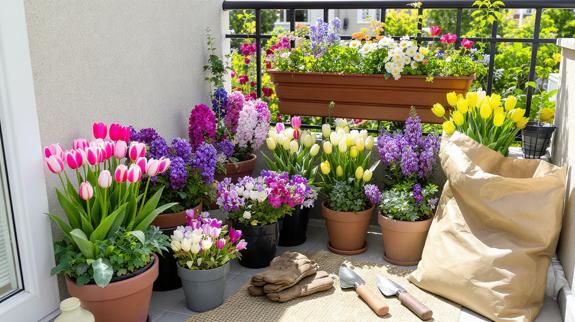
Growing a flower bulb in a tiny garden might feel impossible, especially when you barely have room for a chair, let alone a whole garden bed. I get it. I’ve been there, staring at a cramped balcony and wondering if anything beautiful could grow in such a tight space.
The good news is that flower bulbs are absolute magic. You plant them once, wait, and suddenly you’ve got an explosion of color with almost no effort. They’re basically beginner gardening cheats, and honestly, I love that.

If you’re new to gardening, or you’ve been scared to try because you don’t have much room, this guide is going to walk you through everything step by step.
By the end, you’ll feel confident growing flowering bulbs in containers, planters, raised boxes, or even that weird sunny corner by your front steps. Let’s unlock some tiny-garden power.
Why Flower Bulbs Are Perfect for Small Gardens
When you’re working with a mini garden, every square inch counts. You can’t waste space on fussy flowering plants that need constant attention. A bulb solves this because it’s basically a ready-made plant. Inside that little package is everything it needs to grow, and that makes your life simple.
Bulbs are tidy. You plant them once, let nature take over, and come spring or summer, you get joyful color without having to hover over them. I love them for beginners because they forgive mistakes.

Maybe you water a little too much or a little too little. Maybe you plant slightly off center or a little too close. They still push through. Bulbs are resilient, and when you’re learning, that matters.
They also fit in anywhere, containers, rail planters, pots, window boxes, and tiny beds. You can’t tuck flowering bulbs into tight corners and still get a show that looks intentional and lush.
What is a Flower Bulb?
Before we plant anything, let me explain what a flower bulb really is. A bulb is a little underground storage unit. Think of it like a plant’s backpack. It holds nutrients, moisture, and all the instructions needed to grow into a full plant. Unlike seeds, bulbs have a head start. They wake up faster, grow faster, and reward you quickly.
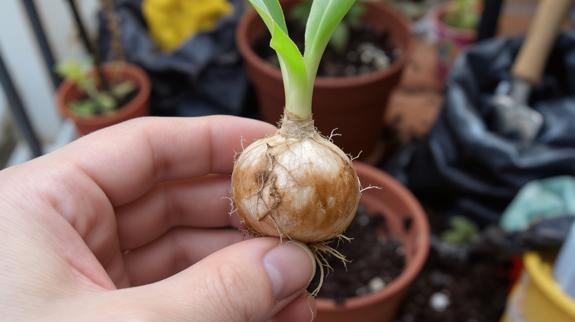
Not all swollen underground plant parts are bulbs. Some are corms, some are tubers, some are rhizomes. But honestly, for a beginner in a small garden, you don’t need to stress about the differences. They all get planted in roughly the same way, and they all give you stunning flowering plants. When people say ornamental bulbs, they’re generally talking about this whole group of magical little storage organs.
Best Flower Bulb for Small Gardens
There are hundreds of bulbs out there, but I want to make this simple for you. Start with varieties that are strong, compact, and look amazing in containers.
Tulips
Tulips are classic, bright, and cheerful. They do really well in pots, even small ones. Just pick compact varieties like Triumph or Single Early tulips. These stay sturdy and don’t flop over in tight spaces. They’re perfect if you want a bold color punch.
Daffodils
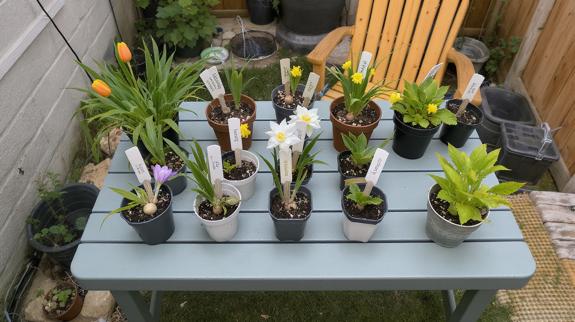
If you’re the type of person who forgets to water or doesn’t want to babysit plants, daffodils are your best friend. They are incredibly low-maintenance and bounce back year after year. Miniature varieties like Tete-a-Tete fit small pots beautifully.
Hyacinths
If you want fragrance, hyacinths are unbeatable. These flowering bulbs smell incredible, and they’re perfect for windowsills and porch steps. One or two in a pot will perfume your whole entryway.
Crocus
Tiny, early, and adorable. Crocus bulbs are perfect for beginners because they bloom fast and don’t need much room. They’re great for shallow containers.
Grape Hyacinths
These guys multiply in a pot and give you these cute little clusters of blue bells. They grow easily and come back reliably.
Alliums
Alliums are like little lollipops of color. Choose the smaller types for small spaces. They add height without taking up room.
Snowdrops
If you have a shady corner that looks sad, snowdrops can handle it. These are some of the earliest bloomers and look lovely in groups.
Plant Flower Bulbs in Small Spaces
Now we get into the fun part. You don’t need fancy tools, big pots, or tons of soil. Just follow these simple steps and you’ll grow flower bulbs like a natural.
Choose the Right Container
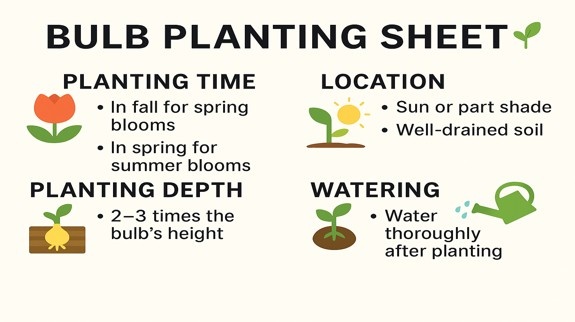
For most bulbs, aim for a pot that’s at least 8 to 10 inches deep. Bulbs grow roots downward, so the depth really matters. You can use plastic, ceramic, clay, metal, or resin as long as the container has drainage holes. No holes means water sits at the bottom, and bulbs rot. Don’t skip this.
Use the Right Soil
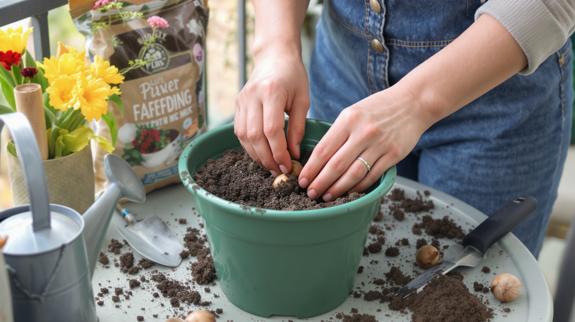
Use a loose, fluffy potting mix. Not garden soil from outside. Garden soil gets heavy and turns into a soggy mess in pots, and that suffocates bulbs. A potting mix drains better and keeps the bulbs happy.
Plant at the Right Depth
There’s an easy trick so you never forget this. Plant each flower bulb two to three times as deep as the bulb is tall. A two-inch bulb usually goes four to six inches deep. Keep the pointy side facing upward. That’s the part that grows.
Space Them Correctly
Plants in containers can be closer together than in the ground. Bulbs don’t mind being neighbors. Just leave about an inch or two between them. In tiny pots, think snug, not crowded.
Watering the Right Way
Right after planting, give your pot a good drink of water. Get the soil evenly moist. Then leave it alone. Bulbs don’t drink much until they start growing leaves in spring. If the soil feels dry when you poke a finger in, add a little water. If it feels damp, skip it.
Sunlight Matters
Most bulbs love sun or at least bright light. Balconies, patios, and window ledges work great. If you’re working with shade, snowdrops and some daffodils do well there.
My Favorite Small Space Trick
If you want a container that blooms for months instead of weeks, this trick is genius. Lasagna planting is basically stacking bulbs in layers inside one pot so that different flowers pop up at different times. It turns one pot into a long-blooming show.
Here is a simple combo that always works for me:
• Bottom layer: 3 to 4 tulips
• Middle layer: 3 hyacinths
• Top layer: 6 to 8 crocus
It’s like setting up a three-act play. Crocus bloom first, hyacinths come next, and tulips finish strong. And it all fits inside one pot. Perfect for small spaces.
Care for Bulbs After They Bloom
After flowering bulbs finish their show, the leaves will hang around for a while. This part isn’t glamorous, but it’s important. Those leaves help recharge the bulb so it can bloom again next year.
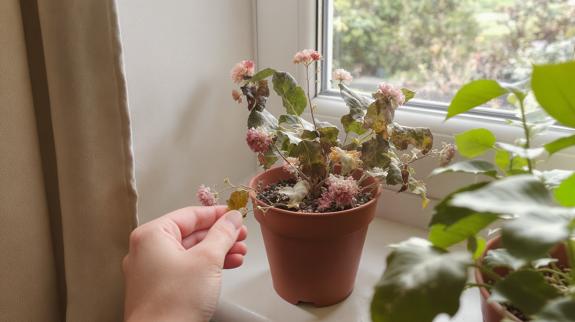
Let the leaves stay until they turn yellow. Don’t bend them or tie them. If the fading leaves look messy in a small garden, tuck another plant in front to hide them. Something like pansies or violas works great for this.
Make sure your container doesn’t stay soggy. If you see water pooling, tip the pot to drain it.
Common Mistakes
When you’re learning, mistakes are normal. Here are the big ones that I see all the time:
• Planting bulbs in garden soil instead of potting mix
• Forgetting drainage holes
• Planting bulbs too shallow
• Overwatering
• Planting bulbs upside down
• Keeping the pot in too much shade
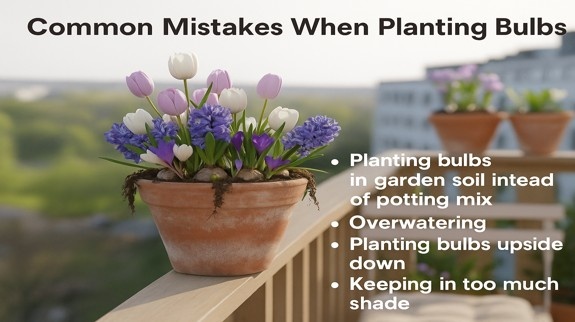
Each mistake has an easy fix. Once you know what to look for, you’ll get the hang of growing flower bulbs really fast.
Starter Plan for Your Garden Bulb
If you want an easy first project, here’s one I always recommend. Grab a medium pot around 10 to 12 inches wide. Fill it halfway with potting mix. Add five tulip bulbs, then cover with more soil. Add three hyacinths on top of that layer, then cover again. Add a final top layer of crocus bulbs around the edges. Water the pot, place it in a sunny spot, and leave it alone.

Come springtime, you’ll get a pot full of color that blooms in waves. And all from a tiny space.
If you have a balcony, you can do the same thing in a long rectangular planter. If you have just a windowsill, plant a single hyacinth in a small pot for fragrance power. Flower bulbs don’t need a big space to make a big impact.
Summary
If you’re feeling unsure about gardening, trust me when I say that flower bulbs are one of the easiest ways to begin. They don’t ask for much, and they reward you with beautiful blooms. Even the smallest garden can become a cheerful little oasis when you plant a few bulbs. Start small. Try one pot. You’ll be amazed by what grows.
FAQs
Is one bulb one flower?
Usually, one flower bulb produces one main stem, but many bulbs make multiple blooms or offsets as they mature.
Is a bulb a bud?
A bulb is a storage structure that contains everything the plant needs. A bud is just a small developing shoot.
What are the names of flower bulbs?
Tulips, daffodils, hyacinths, crocus, alliums, snowdrops, lilies, and many others are all popular flowering bulbs.
How long do flower bulbs live?
Some bulbs bloom for one season while others return for years. Daffodils and muscari often come back every spring.
How to use a flower bulb?
Plant the bulb in soil, water it once, keep the pot in a bright spot, and let it grow. Nature handles the rest.
