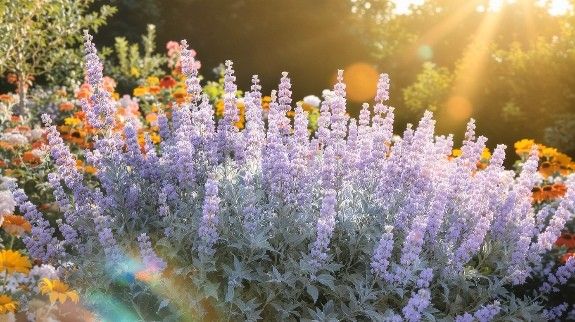
There’s something magical about a plant that thrives on sunshine and a bit of neglect, and Russian Sage is exactly that kind of garden gem.
Russian Sage with its silvery foliage and lavender-blue blooms that toss their heads in the breeze. The foliage is where the magic starts; it adds colours, texture, and fragrance to your space. These foliage and perennial shrubs thrive in full sun, while other flowering plants give up.
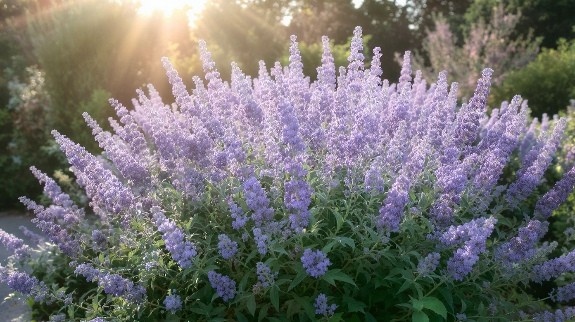
Taking care of it will reward you for your patience rather than effort. Even in winter, when everything else dies back, those silvery stems hold their ground and add structure to the landscape. Whereas in summer, it transforms the dullest corner of my garden into a magic and brings it to life.
Growing Russian Sage might just become your new favorite garden ritual without demanding much in return.
Growth the Habit
Russian Sage grows in a loose, airy shape that looks incredible when backlit by the sun. Most varieties reach about 3 to 4 feet tall and wide, though some newer compact cultivars stay under 3 feet.
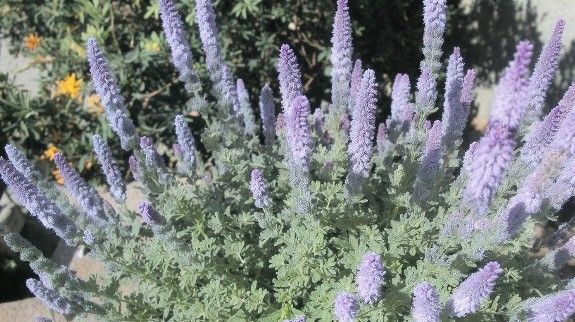
It’s a woody-based perennial, meaning the base gets tougher with age, while the upper growth stays soft and herbaceous. Once it’s established, it fills out into a graceful clump that sways beautifully in the wind.
Foliage and Flowers
The foliage is where the magic starts, finely cut, gray-green, and covered in a soft fuzz that shimmers in the light. Crush a leaf between your fingers, and you’ll get a strong, clean scent that’s somewhere between sage and lavender.
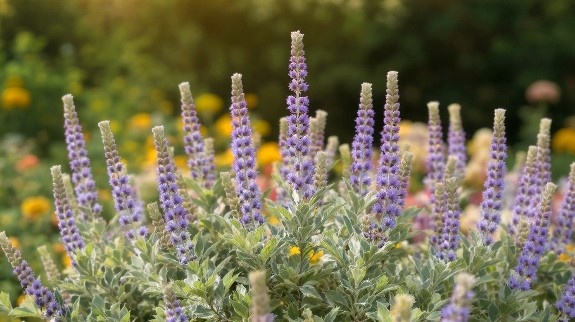
In mid-summer, long panicles of lavender-blue flowers rise above the foliage and keep blooming well into fall. It’s like the plant refuses to quit, even when everything else is fading.
Fragrance and Texture
Every time I brush against my Russian Sage, the garden fills with a refreshing, slightly pungent aroma. The texture is light and wispy, giving the garden an airy feel. When I pair it with bold plants like coneflowers or black-eyed Susans, it creates that perfect contrast, soft meets strong.
Growing Russian Sage
When it comes to growing Russian Sage, I’ve learned that success lies in giving it what it loves most: sun, space, and neglect, yes, really. This isn’t a plant that thrives on coddling; it wants freedom. It’s one of those low-fuss perennials that looks after itself once established.
Whether you’re tucking it into a dry border, a pollinator patch, or a waterwise garden, the steps to grow Russian Sage are straightforward. You don’t need fancy fertilizers or perfect soil, just a bright spot and a bit of patience during the first season.
When and Where to Plant
Plant it in late spring after the soil warms up or early fall, about six weeks before frost. Avoid the peak of summer, it’s too stressful for young roots.
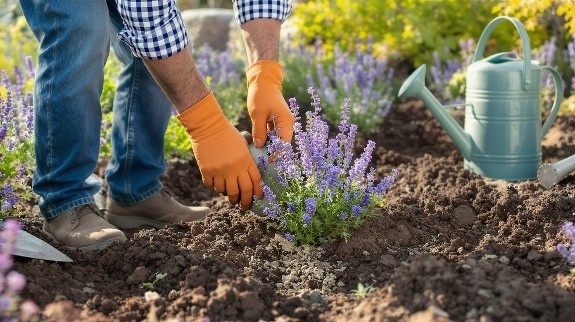
When I grow Russian Sage, I start by digging a hole just a little wider and deeper than the root ball. I loosen the roots gently, set the plant so the crown is level with the soil surface, and backfill with a gritty mix. Then I water deeply once and let it settle. Space multiple plants about two to three feet apart, and they’ll fill in beautifully.
Spacing and Arrangement
Russian Sage looks best when planted in clusters or drifts. I like to plant three or five together; it gives that full, natural look. For borders, I tuck them behind mid-sized perennials or ornamental grasses so their silver foliage peeks through like soft mist.
Growing Conditions
Sunlight Requirements
Here’s the simple truth: Russian Sage loves the sun. In fact, Russian Sage sun exposure is the key to getting the best blooms. Plant it in full sun for at least six hours a day, and it’ll reward you with tall, upright stems and endless flowers. Give it shade, and it’ll sulk, stretching, flopping, and refusing to bloom properly.
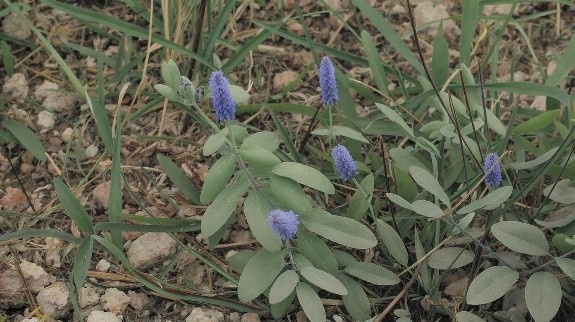
Does Russian Sage like full sun or shade? Russian Sage likes full sun, hands down. Shade makes it leggy and weak, so give it the brightest spot you’ve got.
Soil Preferences
This plant isn’t picky, but it draws the line at soggy soil. I always plant Russian Sage in well-drained, even lean soil; gritty or sandy is perfect. Rich soil will make it too lush and floppy. A slightly alkaline pH suits it just fine. If your soil tends to hold water, mound it up or mix in gravel to improve drainage.
Temperature and Hardiness Zones
Hardy in zones 4 through 9, Russian Sage can handle both sizzling summers and frigid winters. It’s one of those plants that doesn’t complain about heat or humidity, which is why it’s ideal for xeriscaping and waterwise gardens. In colder regions, I mulch around the base in late fall to protect the crown from freeze-thaw cycles.
Watering Needs
Once established, Russian Sage is a drought-tolerant warrior. I water young plants regularly during their first growing season to help them set deep roots. After that, they’re happy with whatever nature provides. In fact, too much water is more dangerous than too little. When in doubt, stay on the dry side.
Fertilization and Soil Enrichment
Here’s a little gardener’s secret: Russian Sage doesn’t need much feeding. I give mine a light layer of compost in spring, and that’s it. Skip the fertilizer; it only encourages floppy growth. Keep it lean, and it’ll stand tall.
Fertilization Practices: I avoid synthetic fertilizers entirely. A thin layer of compost in spring gives it everything it needs. Overfeeding just makes the stems weak. Russian Sage thrives on a less is more approach.
Care and Maintenance
Taking care of Russian Sage couldn’t be simpler. Once it’s settled in, this hardy perennial practically looks after itself. A little spring cleanup, some restraint with the watering can, and a good dose of sunshine, that’s about all it needs to keep thriving year after year.

Pruning and Deadheading
This is where the low-maintenance magic really shines. I cut my plants back almost to the ground in early spring, around six inches above soil level, just as new shoots appear. That’s it. You don’t need to deadhead for reblooming, but I sometimes trim spent stems for a tidier look.
Staking and Support
Older varieties sometimes flop, especially in rich soil or partial shade. If that happens, I either stake the main stems loosely or plant Russian Sage near sturdier companions like ornamental grasses or daylilies for natural support. Compact cultivars such as ‘Denim ’n Lace’ and Russian Sage Blue Steel stand strong without any help.
Overwintering and Seasonal Protection
I leave the stems standing through winter; they look gorgeous covered in frost and provide habitat for beneficial insects. Come spring, I cut them down to make room for fresh growth. In really cold zones, a bit of mulch around the base will keep the crown safe.

Common Problems and Solutions
Honestly, there aren’t many. Root rot is the only real threat, and it’s almost always from poor drainage. If your plant looks sad, check the soil moisture first. Occasionally, young plants flop or lean, usually a sign that they need more sun or drier soil.
Propagation
Propagating Russian Sage is simple and satisfying. I have found it to be one of the easiest perennials to multiply once you know the tricks. Whether you’re rooting a few cuttings or starting from seed, you’ll have new plants ready to fill out your garden in no time.
From Cuttings
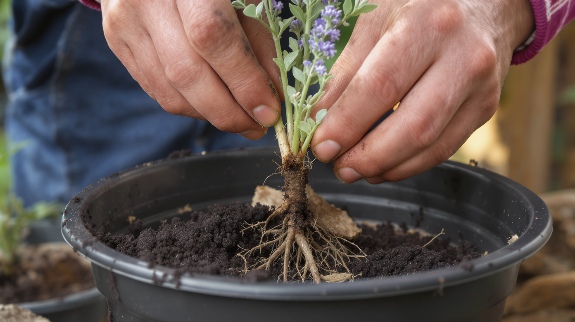
My favorite way to multiply Russian Sage is by softwood cuttings. In late spring or early summer, I snip a non-flowering stem about four inches long, remove the lower leaves, and pop it into a pot with a light mix. Keep it moist and bright, and in a few weeks, roots appear. It’s incredibly rewarding.
Division and Transplanting
Russian Sage doesn’t love being divided, but it’s possible every four to six years if the plant gets woody in the middle. I dig it up carefully in spring, slice off younger sections with roots, and replant them right away.
From Seed
Starting from seed takes patience; germination can take up to four months. I rarely bother because cuttings are faster, but if you like experiments, sow the seeds lightly covered and keep them around 60 degrees Fahrenheit. Expect variety in height and color, since seedlings don’t always come true.
Varieties
Popular Compact Forms
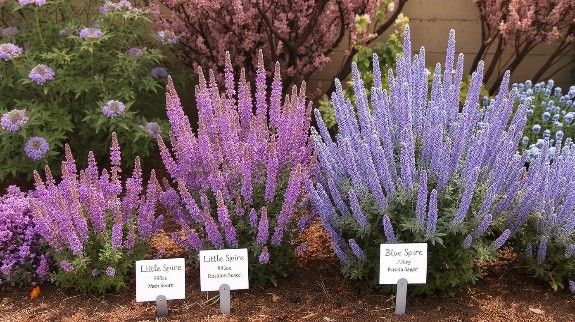
If space is tight, ‘Little Spire’ and ‘Bluesette’ are fantastic compact choices—both stay under two feet tall and are perfect for containers or front borders. I grow ‘Peek-a-Blue’ in pots on my patio, and it blooms for months with barely any attention.
Taller and Upright Selections
For big impact, I love ‘Blue Spire’ and ‘Longin’. They shoot up to about four or five feet, creating stunning backdrops for other perennials. Their tall, upright stems make them perfect for lining fences or pathways.
Companion Planting
Pair it with warm-toned flowers for contrast, think Echinacea, Rudbeckia, daylilies, and coral bells. Or let it blend with other silvery plants like lavender and artemisia for a calm, cohesive look. It’s also a smart pick to protect more delicate plants; critters hate the smell, so it acts as a natural barrier.
Russian Sage vs. Lavender
People often confuse these two, and I get why; they both have silvery leaves and purple blooms. But when it comes to Russian Sage vs Lavender, there are clear differences. Russian Sage grows taller, blooms later, and is hardier in cold climates. Lavender has a sweeter scent and culinary uses, while Russian Sage is purely ornamental. If lavender struggles in your zone, plant Russian Sage instead; you’ll get the same effect with less fuss.
Summary
Every time I walk past my balcony, the fragrance of Russian sage makes me feel so good. This plant every gardener needs to be planted hardy, graceful, and effortlessly beautiful. It’s a rare perennial that thrives in full sunlight, shrugs off drought, and still puts on a spectacular show from midsummer through fall.
With proper care, the basic needs of this plant are full sun and a room for it to breathe openly; all it just wants. And this plant will reward you in return with its hazy lavender-blue blooms.
So, if you are in search of a plant that makes your garden full of colors and a fragrance without constant care, then this plant is for you. Grow Russian sage, do a little care, sit back, and let it do what it does best.
FAQs
What is Russian Sage good for?
It’s perfect for dry, sunny spots where other plants fail. Great for pollinators, low-water gardens, and adding soft color and movement to the landscape.
Does Russian Sage like full sun or shade?
Always full sun. Shade leads to flopping and poor blooms. These foliage and perennial shrubs thrive in full sun.
Is Russian Sage high maintenance?
Not in the slightest. It’s one of the easiest perennials you can grow, prune once a year, and forget about it.
Where is the best place to plant Russian Sage?
In a sunny, well-drained bed, along walkways, or in clusters where it can spread its wings without crowding neighbors.
