
Discover how to grow and care for the Cast Iron Plant in small gardens. A friendly beginner’s guide covering light, water, soil, indoor and outdoor use, and simple design ideas for tiny spaces.
If you have ever wished for a plant that looks great, survives your busiest days, and thrives even in tiny, shady corners, this plant is the one you have been looking for. It earned its name because it’s almost impossible to kill, and that is exactly why small-garden owners adore it.

Limited space? Little sunlight? Forgetful with watering? Don’t worry, this plant doesn’t judge you. It simply grows.
Whether you want to brighten up a small patio, add greenery to a shaded balcony, or create a lush corner in a compact backyard, the Cast Iron Plant adapts beautifully. This guide will walk you through everything you need to know, step by step, in a way that even complete beginners can follow with confidence.
What Is the Cast Iron Plant?
The Cast Iron Plant is an evergreen perennial famous for its resilience. Native to forest floors in Japan and China, it naturally grows in deep shade and requires very little care. Its long, glossy, spear-shaped leaves grow directly from the soil, forming a tidy clump that instantly brings life to any space.

You will love that:
- It thrives in shade, even heavy shade.
- It survives dry spells and irregular watering.
- It works indoors and outdoors.
- It looks elegant without needing constant attention.
If your small garden struggles with dark corners or awkward spots where nothing survives, the Cast Iron Plant fits right in.
Why the Cast Iron Plant Is Perfect for Small Gardens
Small gardens have unique challenges: limited light, cramped layouts, inconsistent temperatures, and hard-to-fill corners. Luckily, this plant seems like it was designed for that very environment.
It thrives where other plants fail, because Aspidistra elatior is adapted to low-light forest floors; it handles small shaded spaces under balconies, narrow passages, or along walls effortlessly.
It doesn’t need large planting beds. The plant stays compact, usually around 2 to 3 feet tall and wide. Perfect for patios, entryways, tiny yards, or narrow raised beds.
It’s a beautiful container plant. You can easily grow Cast Iron Plants in pots, making them ideal for balconies, stairways, and renters who want portable greenery.
It creates bold foliage impact in small areas. Its long, glossy leaves add texture and height, giving small gardens a lush, tropical look without overwhelming the space.
Planting the Cast Iron Plant
Planting is simple, even if you are brand new to gardening.
- Dig a hole the same depth as the rootball and twice as wide.
- Place the plant inside and spread out any circling roots.
- Backfill with your soil or potting mix.
- Press gently to remove air pockets.
- Water thoroughly.
- Add mulch if planting outdoors to keep moisture even.

In small gardens, try spacing plants 12–18 inches apart to allow them to form a lush, full look as they mature.
Fertilizing
Your plant does not need heavy feeding. A diluted all-purpose liquid fertilizer once a month in spring and summer works perfectly. Avoid fertilizing in fall and winter when growth naturally slows.
Pruning and General Care
Pruning is minimal. Just remove yellow or brown leaves by cutting them at the base. This keeps your plant looking tidy and encourages new growth.
Dust builds up on the wide leaves, especially indoors. Wiping them occasionally helps them absorb light more effectively and keeps them looking beautiful.
Propagating Plant
Propagation is done by dividing the rhizomes.
- Remove the plant from its pot.
- Look for natural separations in the roots.
- Ensure each division has at least 2–3 leaves.
- Plant each section in its own pot or location.
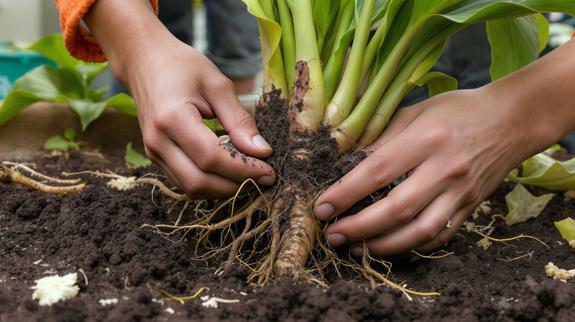
New divisions need slightly more attention until established, but once rooted, they become just as tough as the parent plant.
Light Requirements
One of the biggest reasons beginners love growing Cast Iron Plants is that they are incredibly flexible with light.
- For best growth, Medium to bright indirect light is ideal.
- For small gardens where shade is common, don’t worry, your plant will do great. Cast Iron Plants thrive in shade and are famous for tolerating even deep shade.
- Just make sure to protect your plant from direct sunlight. Strong sun, especially afternoon sun, can bleach or burn the leaves.
- If your small garden has a spot that everything else hates, this is the plant that will love it.
Soil Needs
You don’t need fancy soil mixes to grow Cast Iron Plants. Outdoors, they’re happy in:
- sandy soil
- clay
- loam
- rich organic soil
The only real requirement is good drainage. In small gardens, poorly draining soil is common, especially in raised beds or narrow corners. If you are planting directly in the ground, mixing in compost improves both drainage and nutrient levels.
For containers, A high-quality potting mix is perfect. If you tend to overwater, adding a handful of perlite helps prevent soggy soil.
Watering
Cast Iron Plants do not need frequent watering. In fact, overwatering is the only thing you should really avoid.
Indoors, let the top half of the soil dry out between waterings.
Outdoors, established plants can handle long dry periods, making them ideal for busy gardeners or small gardens with no irrigation.
Signs of overwatering:
- Mushy stems
- Browning leaves
- Soil stays wet for days.
Just remember, when in doubt, wait before watering.
Temperature and Humidity
The Cast Iron Plant is flexible with temperatures and humidity, another reason beginners love it.
Indoors, 16–24°C is ideal.
Outdoors, it grows well in USDA zones 7–11 and tolerates light frosts.
If you are in a colder region, grow it in pots and move it indoors during winter.
Small gardens often trap heat or stay more shaded than larger yards. The Cast Iron Plant doesn’t mind either condition, making it a reliable choice.
Growing Cast Iron Plants Indoors
If your home has low light, like hallways, bathrooms, or rooms with small windows, this plant is perfect. It needs very little attention and adapts well to dry indoor air.
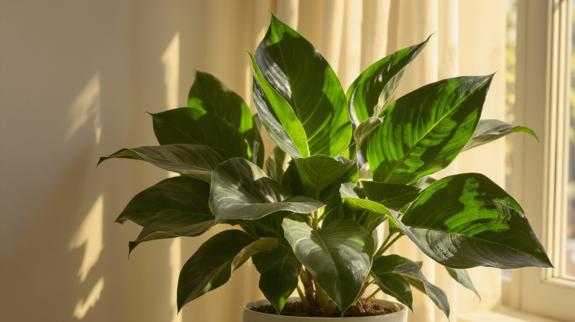
A few tips:
- Keep it out of direct sunlight.
- Wipe the leaves occasionally to remove dust.
- Fertilize lightly in spring and summer.
- Repot every 2–3 years. They grow slowly.
Indoor plants grow steadily but never aggressively, so they stay tidy and manageable.
Growing Cast Iron Plants Outdoors
Small outdoor spaces benefit greatly from the Cast Iron Plant’s structure. It adds height, texture, and year-round greenery without taking over.
Great places to plant outdoors:
- Along a shaded fence
- Under trees with low light
- Beside walls or sheds
- In narrow garden beds
- In clusters in a corner with poor light
- Around patios or small entryways
Because the plant spreads slowly by rhizomes, it forms neat clumps without becoming invasive. Many gardeners use it as a low-maintenance groundcover for shady corners where grass won’t grow.
Cast Iron Plant Flowers
While the cast-iron plant flower is not the main reason people grow it, it’s still a fun surprise. The small, cup-shaped blooms appear near the soil and are easy to miss.

They usually appear outdoors in summer. Indoors, flowering is rare but not impossible; brighter light (but not direct sun) helps.
Pests and Problems
The Cast Iron Plant has very few issues. Occasionally, you may see scale insects or spider mites indoors. Washing the leaves or using insecticidal soap usually solves the problem quickly.
The main problem to avoid is root rot, which happens from overwatering or poor drainage. If you keep the soil from staying too wet, your plant will stay healthy.
Best Cast Iron Plant Varieties
Different cultivars add different textures and colors to small spaces. A few favorites include:
- Variegata has white stripes on green leaves
- Asahi leaves develop frosty white tips
- Hoshi-zora speckled like a starry sky
- Lennon’s Song pale green central stripe

Variegated types are especially useful in small gardens because their lighter leaf patterns brighten up dark corners.
Design Ideas using Cast Iron Plant
You can use this plant to transform even tiny outdoor spaces.
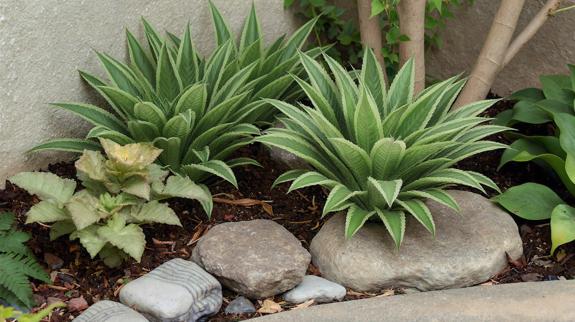
- Create a Zen corner, place 3–5 plants in a cluster with smooth stones or pavers.
- Line a shaded pathway; their upright leaves add height without blocking movement.
- Add structure to a patio, A potted Cast Iron Plant makes a beautiful accent beside outdoor seating.
- Brighten dark fences, planting them against a fence instantly adds contrast and texture.
- Mix with other shade lovers, Hostas, ferns, and heucheras pair beautifully with the Cast Iron Plant.
Summary
The Cast Iron Plant is one of the best plants you can choose for a small garden. It’s easy to care for, thrives in shade, works beautifully indoors and outdoors, and adds lush greenery with very little effort. Whether you are new to gardening or just want something simple and beautiful, this plant never disappoints.
You don’t need experience. You don’t need perfect soil. You don’t even need sunlight. Just plant it, water occasionally, and enjoy the beauty it brings to your space.
FAQs
Do cast iron plants like sun or shade?
They prefer shade and low to medium indirect light. Direct sunlight can burn their leaves, making shady spots the best place for them.
What is a cast-iron plant good for?
It’s perfect for low-light spaces, beginner gardeners, small gardens, and anyone who wants a hardy, low-maintenance plant that adds year-round greenery.
Why is it called a cast-iron plant?
The nickname comes from its almost indestructible nature. It tolerates low light, drought, temperature changes, and neglect, just like cast iron.
What is the spiritual benefit of the cast-iron plant?
Many see it as a symbol of endurance, stability, and protection. Its strong, long-lived nature is believed to bring grounding energy into a home or garden.
