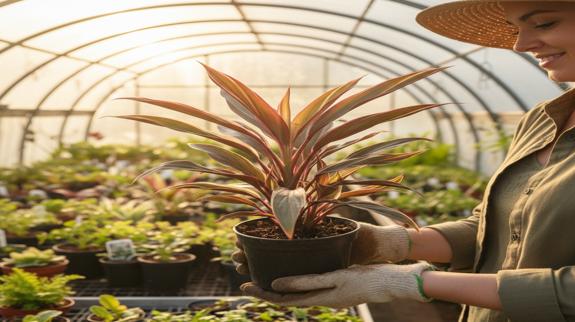
I’ll admit it, I fell in love with the Cordyline plant the first time I saw its colorful, sword-shaped leaves waving in the breeze like tropical fireworks. I have been gardening for years, and few plants bring as much drama and satisfaction to a small garden or balcony as this beauty does. Whether you’ve got a big backyard or just a few square feet on your patio, you can absolutely grow and enjoy Cordyline.
Let’s get straight into what works from someone who’s had both triumphs and disasters with this striking plant.
What Is a Cordyline Plant?
Cordyline plants are evergreen perennials native to warm, tropical regions like New Zealand, Australia, and Southeast Asia. They’re known for their upright growth, bold leaves, and striking colors, deep greens, rich burgundies, fiery pinks, and even variegated streaks of cream or red.
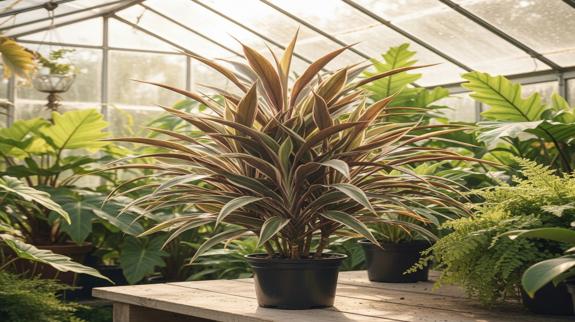
There are several types, but the two most common ones you’ll encounter are:
- Cordyline australis, the hardy cabbage tree
- Cordyline fruticosa, also called the Ti plant or good luck plant
They’re often mistaken for dracaenas, but the giveaway is in the roots. Cordyline roots are white, while dracaena roots are orange.
Why I Love Cordylines in Small Gardens
If you’ve got limited space like me, the plant is a godsend. It brings instant height and texture without eating up ground area. I have tucked mine behind smaller perennials and potted a few for vertical impact along the patio wall.
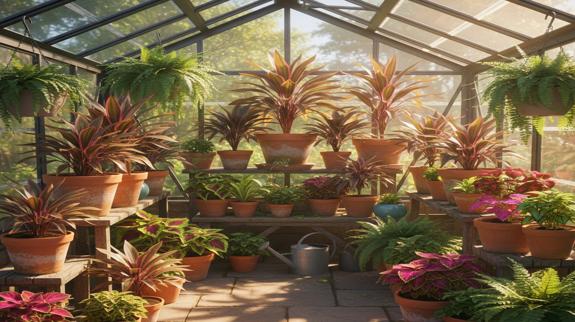
They’re perfect for:
- Adding structure and color to container displays
- Bringing a tropical vibe to small courtyards
- Filling gaps in mixed borders without crowding other plants
Even one Cordyline can completely transform a cramped corner into something lush and exotic.
How to Grow Cordyline in Small Spaces
Let’s get hands-on with how to grow Cordyline the right way.
Choosing the Right Spot
Cordyline loves bright, filtered light. Green-leaved varieties handle full sun better, while pink, red, or variegated ones prefer some shade.
For outdoor care, I keep mine in a spot that gets morning sun and dappled shade in the afternoon. If you’re growing indoors, put your Cordyline near an east-facing window, bright light but no harsh direct rays.
Soil and Potting Mix
Cordyline plants crave rich, well-drained soil. I use a blend of good-quality potting soil, compost, and perlite. The key is moisture without sogginess; roots rot easily if they sit in wet soil.
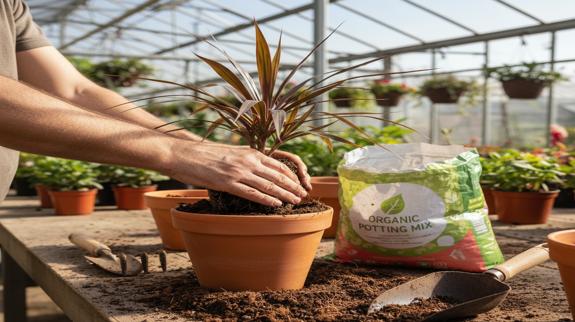
If you’re planting in the ground, mix in organic compost or aged manure before planting. It mimics their tropical forest-floor conditions perfectly.
Watering Smartly
Here’s where most people mess up: overwatering. These plants hate having wet feet. I water when the top inch of soil feels dry. During summer, that’s about twice a week for outdoor pots and once a week indoors.
I also use filtered or rainwater, because tap water, especially with fluoride, can burn the leaf tips. I learned that the hard way when mine developed crispy brown ends.
Temperature and Humidity
Cordylines love warmth. Ideal temperatures range between 18–29°C. In small gardens or patios, they thrive from spring to fall, but once the temperature dips below 50°F, I move my potted ones indoors.
Humidity matters too. Indoors, I mist the leaves or use a pebble tray to keep them happy.
Feeding and Fertilizing
In spring and summer, I feed my cordylines every month with a balanced, liquid fertilizer diluted to half strength. Outdoor ones get a slow-release formula at the start of spring.
Remember: less is more. Over-fertilizing will scorch the roots and dull those gorgeous colors.
Cordyline Plant Care Tips
After years of trial and error, here are the little habits that make a big difference:
- Prune dead or yellow leaves regularly. It keeps the plant tidy and encourages fresh growth.
- Rotate indoor pots every few weeks so all sides get equal light.
- Mulch outdoor Cordylines with bark chips or compost to retain moisture.
- Protect from frost using garden fleece or by moving pots into a shed or greenhouse.
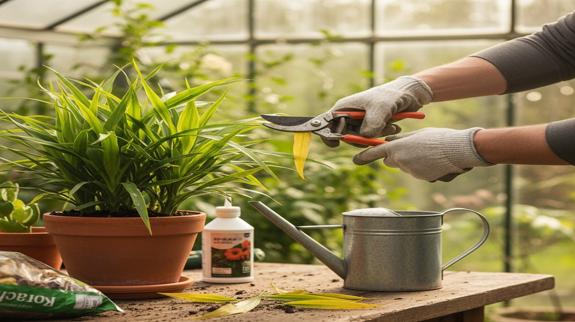
When you get the hang of it, Cordyline care becomes second nature; it’s genuinely one of the easiest tropical-looking plants to maintain once established.
Care for Cordyline Plant
I have grown Cordylines both inside my house and out in the yard, and they’re equally rewarding, just slightly different routines.
Cordyline plant care outdoors
When growing outdoors, Cordylines appreciate natural rain and airflow. Keep them in a spot sheltered from strong winds; those long leaves can shred easily. During summer, water regularly but let the soil breathe.

If you live in a frost-prone area, wrap the trunk in fleece before winter. Trust me, it saves you from heartbreak in spring when frostbite turns your leaves mushy.
Cordyline plant care indoor
Indoor Cordylines are all about balance, light, moisture, and warmth. Keep them close to a bright window and away from air conditioners or heaters. A monthly misting keeps the humidity up and dust down.
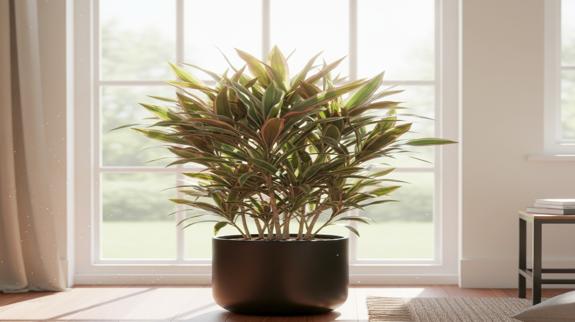
I have found that repotting every two years keeps them thriving, especially if you replace tired soil with a fresh mix.
Common Cordyline Problems
If your Cordyline plant starts acting up, don’t panic. Here’s what your plant is probably telling you:
- Brown leaf tip. Your water has fluoride or chlorine. Switch to rain or filtered water.
- Yellowing leaves, Overwatering, or poor drainage. Check your pot’s holes and soil.
- Leggy growt,h Too little light. Move it to a brighter spot.
- Mushy base or stem, root rot. Prune off the affected part, replant in dry, fresh soil, and improve drainage.
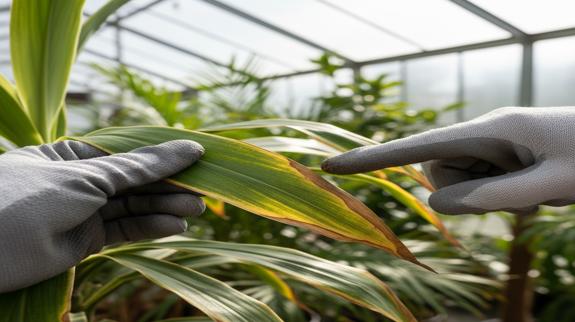
I have dealt with all of these and still have thriving plants today; it’s all part of the learning curve.
Propagation: Multiply Your Cordyline Collection
This part is genuinely fun. Cordylines are easy to propagate from stem cuttings. Here’s how I do it:
- Cut a six-inch section of a healthy stem.
- Remove the leaves from the bottom half.
- Place it in water or a mix of perlite and sand.
- Keep it warm and bright but out of direct sun.
- Wait a few weeks for roots to appear, then pot it up.
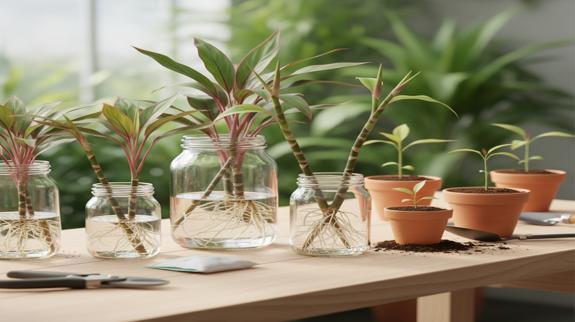
I have grown entire rows of Cordylines from just a few cuttings; it’s budget-friendly and satisfying.
Cordyline Plant Flower: A Tropical Surprise
If your Cordyline plant is happy, it might reward you with clusters of small, fragrant flowers in summer. They’re not flashy like orchids, but they smell wonderful and attract bees and birds.
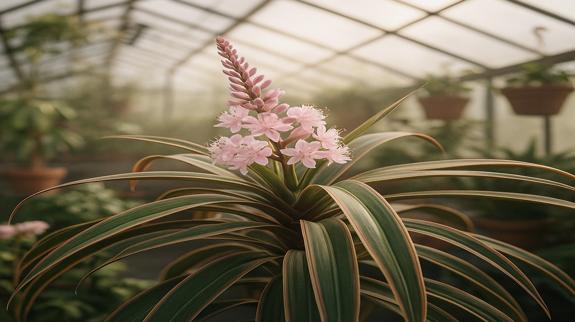
Mine bloomed one particularly warm season, filling the garden with a soft honey scent. Don’t worry if yours never flowers, though; it’s mainly the leaves that steal the show.
Perfect Companions for Cordyline in Small Gardens
If you’re building a compact tropical corner, pair your Cordyline with plants like:
- Bird of paradise for height and color contrast
- Elephant’s ear for lush, large leaves
- Bloodleaf for complementary red tones
Mixing textures is key in small spaces. Cordyline’s upright spikes balance beautifully with softer, broader foliage.
Final Thoughts
If you’re short on garden space but big on style, the Cordyline plant is a must-try. It’s vibrant, low-maintenance, and adaptable, thriving in pots, patios, or tucked into small garden corners.
I have grown mine through scorching summers and frosty winters, and it never fails to bounce back. Once you find its sweet spot of warmth, light, and moisture, it’ll reward you with year-round beauty and a taste of the tropics.
So go on, give your small garden a bold upgrade. If you’re ready to bring a touch of tropical flair to your space, start with a Cordyline plant. Trust me, it’s worth it.
FAQs
Do cordylines like sun or shade?
They love bright light with a bit of protection. Green-leaved ones can handle full sun, but colorful varieties prefer dappled shade to avoid leaf scorch.
Is Cordyline a good indoor plant?
Absolutely, Cordyline makes a stunning indoor plant if you give it enough light, warmth, and humidity. Perfect for adding tropical flair to living rooms and patios.
How do you take care of a Cordyline plant?
Keep the soil moist but never soggy, provide bright filtered light, and protect it from cold drafts. Trim old leaves to keep it fresh and compact.
Is Cordyline an annual or a perennial?
Cordyline is a perennial in warm climates, zones 9–11, and can live for decades. In cooler areas, it’s treated as an annual or overwintered indoors.
