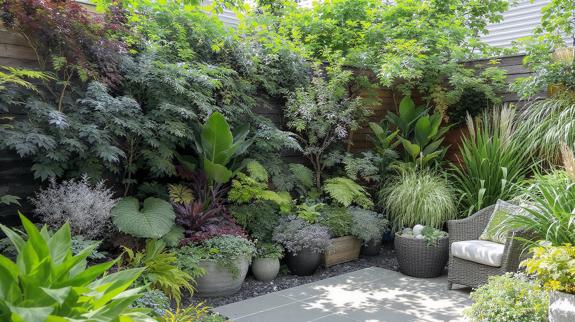
The right selection of plants can have a great impact on your garden. Choose a foliage plant that will add bold shapes, fine textures, and brilliant color to your yard.
Many people think about growing a flower plant that just adds colors to their space in their season, but these plants can add more colors to your small space with their leaves, and also with flowers at their blooming time.
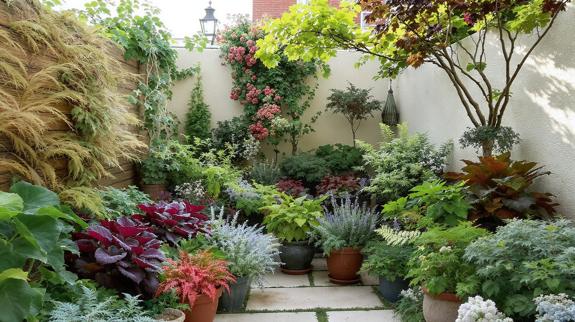
These plants enhance gardens year-round by adding texture, shape, and color. Unlike flowers that bloom for a short period, these plants provide lasting visual interest year-round.
The versatility of the green foliage plant is unmatched, as they are the perfect backdrop for the flowers. There are many kinds of annuals, perennials, shrubs, and trees that provide leaf color throughout the growing season. Foliage can be an effective background element or take center stage.
What Is Foliage?
Foliage is simply the leafy part of the plant, the green engine that keeps it alive. But in the world of gardening, it’s so much more than that. To me, it’s color, it’s mood, it’s personality. This plant is one that’s grown mainly for its leaves, not its flowers.
These leaves come in every possible shade and shape, deep green, silvery gray, variegated with cream or purple streaks, long and narrow, or heart-shaped and soft.
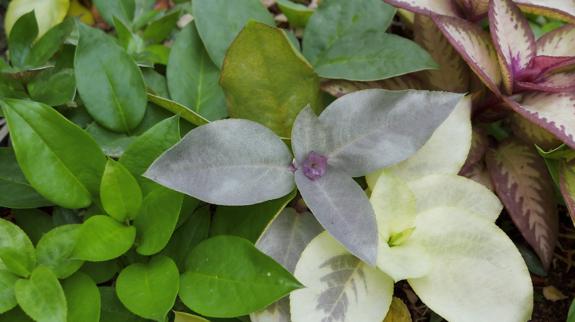
I love how the word “foliage” captures the feeling of abundance. When I say my garden has great foliage, I mean it looks full, lush, and vibrant. The leaves don’t just photosynthesize; they express character. And when you put different kinds together, smooth, rough, glossy, matte, you get a texture that feels alive.
That’s why I lean into foliage when designing my small garden. It’s like using a painter’s palette, but my colors are leaves.
Benefits of Foliage Plants
Here’s why I’m obsessed with these plants: they make everything easier and better.
First, they offer endless visual diversity. In a tight garden space, every inch counts. Foliage gives me ways to create contrast without clutter. I can use dark purple coleus against pale silver dusty miller, or broad banana-like leaves beside fine ferns. That visual rhythm keeps things dynamic.
Second, they’re low maintenance. Many foliage species, like snake plants or hostas, don’t demand much attention. They’re hardy, resilient, and forgiving when I skip a watering or two. In small gardens, that’s a big win because I don’t have time to fuss.
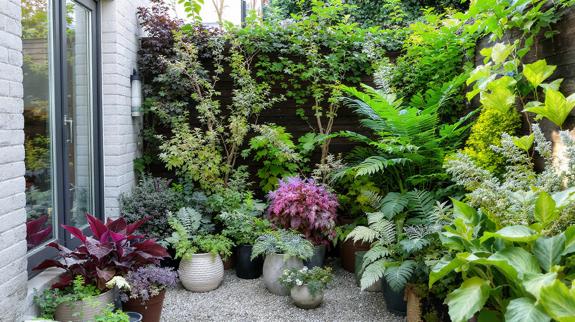
Third, they deliver year-round appeal. Even when flowers vanish, the leaves hold their ground. That steady green presence means my garden never looks bare.
Fourth, they have real environmental value. Foliage provides shelter for insects, shade for soil, and a cooler microclimate. It’s like the natural version of climate control. Plus, indoor foliage improves air quality, bonus points for anyone growing plants inside an apartment or studio.
And lastly, they’re incredibly versatile in design. These plants work in every style: modern, tropical, woodland, or rustic. I can’t tuck them into borders, planters, hanging baskets, or even use them as living decor indoors.
To me, that’s what makes foliage irresistible: it’s beautiful, functional, and dependable.
Popular Outdoor Foliage Plant
When I’m working outdoors, I like to mix up the textures and tones. These are my go-to outdoor Plants for a small garden.
Artemisia brings soft silver tones that make nearby greens pop. It loves full sun and poor soil, basically, the plant that thrives on neglect.
Boxwood is my structure plant. Its dense evergreen leaves let me shape borders and give the garden that finished look even in winter.
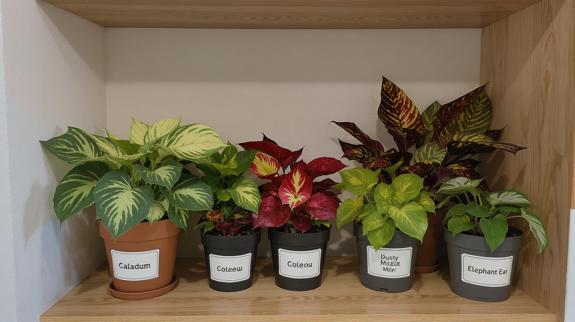
Caladium adds instant drama with its heart-shaped leaves splashed in pinks, reds, and whites. Perfect for a shaded nook.
Canna gives me tropical flair. The broad leaves look like they belong in a rainforest, but they grow happily in a sunny patio container.
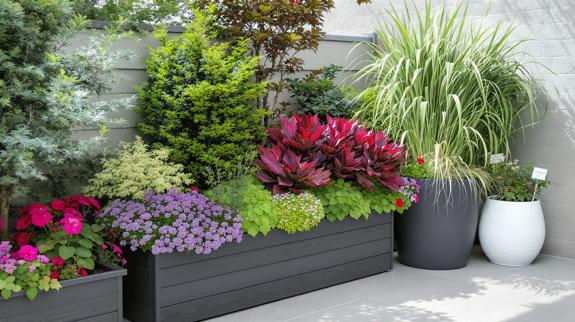
Coleus is my favorite for pure color variety. Every season I find new patterns, smottled greens, purples, reds. It grows fast and fills gaps beautifully.
Coral Bells are my trick for adding ruffles. Their foliage ranges from peach to deep burgundy and stays neat all year.
Dusty Miller gives a velvety silver touch. I love pairing it with bright blue, as it acts like a neutral backdrop that enhances everything around it.
Elephant Ear turns heads with huge, tropical leaves. It needs moisture, but wow, does it make an impact in a small garden corner.
Ferns are my texture builders. I rely on them to bring softness to stone paths or under trees.
Hostas are unbeatable for shade. Their big, bold leaves and stripes create te strong contrast in low-light areas.
Lamb’s Ear has fuzzy, touchable leaves that kids adore. It thrives in dry soil and sun.
Liriope gives grassy lines and variegated edges that work great as borders.
Pulmonaria has those cute spotted leaves that light up dark spots.
New Zealand Flax brings tall, sword-like drama with colors from green to bronze.
Ninebark shifts color through the seasons, green, gold, or burgundy, so it keeps things lively.
And finally, ornamental grasses. I plant them for movement. When the wind blows, they make the whole garden feel alive.
These are the plants that don’t just survive, they thrive and make every square foot count.
Common Indoor Foliage Plants
Indoors, I treat my Foliage Plant like an art piece. They turn corners into jungles and shelves into cozy green displays.
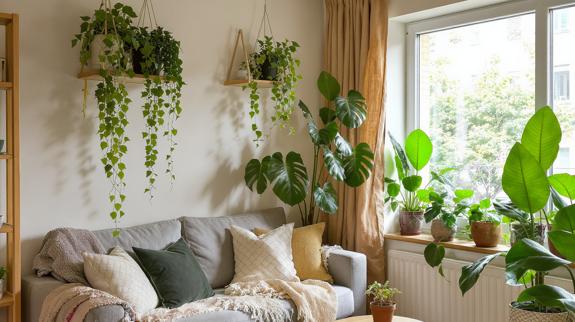
Pothos: I start with Pothos, the ultimate easy-care plant. It trails beautifully and grows fast in low light. I hang it near windows where the vines can cascade.
ZZ Plant: Then there’s the ZZ Plant. Its glossy leaves practically shine, and it tolerates everything, from dim apartments to occasional drought.
Snake Plant: It is another champion. It’s almost indestructible and adds strong vertical lines to tight spots.
Monstera deliciosa: It is the statement piece. Those dramatic split leaves add instant architectural flair.
Philodendron: Especially the heart-leaf type, is great for filling mid-level spaces like bookshelves or table corners.
Prayer Plants: They give me patterned drama. Their leaves fold at night, which makes them feel almost alive.
Iron Cross Begonia and Rex Begonia: They are my go-tos when I want texture and color indoors without blooms.
Parlor Palm keeps things calm and tropical. It’s small, elegant, and thrives in low light.
Each plant brings a different mood. I mix them like furniture, tall ones for corners, trailing ones for shelves, and colorful ones for centerpieces.
Conditions for Indoor Foliage Plant
Light
Most foliage plants love indirect or filtered light. I place them where sunlight bounces off a wall or curtain instead of hitting directly. Variegated leaves need a bit more light to keep their color crisp, while deep green ones like shade. For a small garden balcony, I use sheer fabric to diffuse harsh rays.
Temperature
I keep my Foliage Plants in the cozy range between 60 and 80°F. They hate cold drafts or sudden temperature swings. So when winter comes, I move pots away from windows or air vents.
Humidity
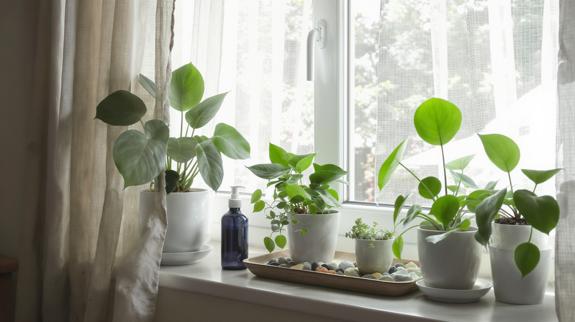
Here’s a trick: group plants together. It creates a pocket of humidity that helps them thrive. For tropical species like Calatheas or Monstera, I mist the leaves every few days or place a tray of pebbles and water nearby.
Soil
I always use a well-draining mix, peat, compost, and sand in equal parts. Roots need air as much as they need water. For pots, I add a layer of gravel at the bottom to prevent soggy soil.
Watering
I water when the top inch of soil feels dry. Overwatering kills more plants than neglect. I stick my finger in the soil; if it’s damp, I wait. And when I do water, I let it drain completely.
Toxicity Warning
I’ve learned the hard way, some foliage plants look lovely but can be toxic to pets or kids. Caladium, Artemisia, Coleus, Hosta, Rex Begonia, Elephant Ear, and Dusty Miller are all plants I keep out of reach. When I give cuttings to friends, I always mention this. Safety first, beauty second.
Design and Use Tips
Designing with Foliage Plants is where the fun begins. In a small garden, balance and contrast are everything.
I start with texture. Pair smooth leaves with rough ones, or large hostas with delicate ferns. That difference in feel creates energy.
Then I play with color. I love putting silver foliage like lamb’s ear next to dark greens or purples. It instantly brightens the space.
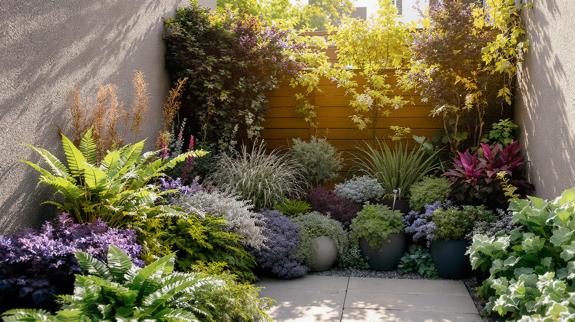
Layering is key. Low-growing plants form the base, medium-height ones fill the middle, and tall ones add drama. It’s the same principle as designing a room; you want depth and flow.
For containers, I follow my go-to rule: thriller, filler, spiller. A tall plant for height, a mid-level one to fill, and a trailing one to spill over the edge.
And for shady corners, I go wild with ferns, hostas, and caladiums. They thrive where flowers refuse to grow.
The secret? Don’t overthink it. Let your eyes guide you. Mix plants until they feel right. Gardening should be joyful, not stressful.
Summary
Can you imagine a plant without flowers can bring colors to your space? Yes, it is possible with foliage plants that add colors, texture to your garden, as well as bring it to life.
They are not just loved for their beauty, but the main reason is that they are low-maintenance, eco-friendly, and visually diverse. With proper care, like the right balance of light, humidity, they can thrive for years.
Outdoors, species like coleus, ferns, hostas, and caladiums create structure and rhythm in small gardens. Indoors, classics like pothos, monstera, and snake plants bring a soothing, modern touch while purifying the air.
Designing your space with these colorful plants can even make your small spaces feel alive and abundant.
FAQs
How to grow foliage plants?
I start with the right spot, most Foliage Plants love indirect light and evenly moist soil. I make sure the pot drains well, keep humidity steady, and feed monthly during the growing season. Small, consistent care beats random attention every time.
Why are foliage plants grown?
Because they bring color and life all year long. They’re easier to maintain than flowering plants and give structure, texture, and personality to a small garden. Foliage adds depth that blooms alone can’t achieve.
How do I propagate foliage plants?
I usually take stem cuttings and root them in water or soil. Some, like Pothos or Philodendron, root fast in a glass jar. Others prefer a snug pot of moist mix. Patience and warmth always help new roots thrive.
Why is Gen Z obsessed with plants?
I think it’s because plants offer a connection to something real. Growing a Foliage Plant in a small apartment feels grounding in a fast-paced digital world. Plus, they make great décor, and caring for them gives a sense of calm that everyone craves.
