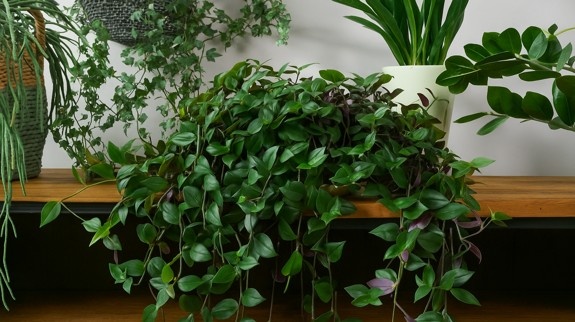
A houseplant, like a foliage indoor plant, is one of the easiest ways to fill your space with a bit more life. Whether it’s a succulent on your windowsill or a pothos plant in an empty bedroom corner, indoor houseplants can provide color, personality, and even fresher air.
You can also design your interior with these plants, and if you want to add freshness and life to your space and home, these plants are perfect for you.
All the foliage plants don’t have the same care tips, but they are all low-maintenance and easier to grow. Choose your favorite plant, give it some time and a little care it will give its beauty to your space to make it beautiful with it.
How to Choose Plants for Your Space
Before bringing home any Foliage Plants, I always start with the light. Small spaces can be tricky; sometimes a window gets plenty of sun, and other corners barely get a glow. Matching plants to light is the number one rule of indoor plant care.
If your room feels dim or shadowed most of the day, plant Low low-light plant like a ZZ plant, a peace lily, or a Chinese evergreen, because they will be your best friends. They don’t fuss about shade. I keep a ZZ plant in my hallway with zero natural light, and it keeps on thriving like a champ.

My kitchen shelf gets indirect sun most of the day. That’s where I grow my favorite plants for Indirect light and medium to bright light plants like Calatheas, Fittonia, and bird’s nest ferns. They like consistent brightness without direct beams that scorch leaves.
For rooms drenched in sunshine, plant for bright Light and sun-tolerant beauties like rubber plant, fiddle-leaf fig, or monstera. They adore bright, indirect light. I rotate mine weekly so the leaves grow evenly toward the light.
Small Plant
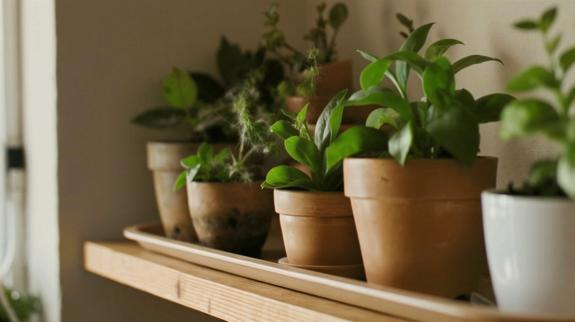
In small homes, compact foliage like nerve plants, polka dot plants, or Pilea add character without eating up space. I group a few small pots on a tray; it looks lush but controlled.
High Humidity Plants
High Humidity-loving plants like ferns, prayer plants, and Calatheas thrive here. I keep a fern on a shelf above my shower, and it loves the steam.
Plant Collections by Aesthetic and Growth Habit
Patterned and Colorful Foliage
Nothing spices up a dull shelf like color. Calatheas with peacock patterns, Rex begonias with metallic swirls, or pink polka dot plants draw the eye instantly. For me, they make a room feel like a living painting.
Trailing and Hanging plants
Trailing vines bring life to unused vertical space. Tradescantia, Swedish ivy, and spider plants are great for hanging baskets. My favorite trick? Let them trail from a high shelf; it softens the lines of a small room beautifully.

Architectural Uprights
If you want a sculptural style, go with monstera, rubber plant, or fiddle-leaf fig. These upright growers lift the eye upward, making your space feel taller. One strong vertical plant in the corner can make a tiny room look designed, not accidental.
Water and Terrarium-Friendly
Tiny glass gardens are perfect for small apartments. Fiber-optic grass, air plants, and moss thrive in miniature worlds. I build little terrariums with gravel, charcoal, and one striking foliage indoor plant; it feels like my own micro jungle.
Beginner-Friendly and Low Maintenance Plant
If your green thumb’s still warming up, start easy. Some plants forgive mistakes better than others.
Pothos and Philodendrons
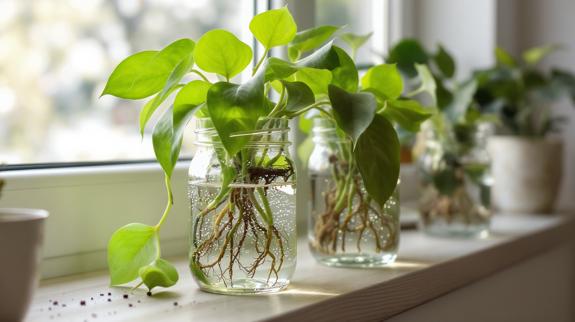
These trailing legends are nearly foolproof. Let them dry slightly between waterings, and they’ll grow like crazy. Cut a stem, stick it in water, and you’ll have new plants in no time.
ZZ Plant and Cast Iron Plant
If you forget to water, no problem. These two will keep going, thriving in low light and surviving long gaps between drinks.
Chinese Evergreen and Peace Lily
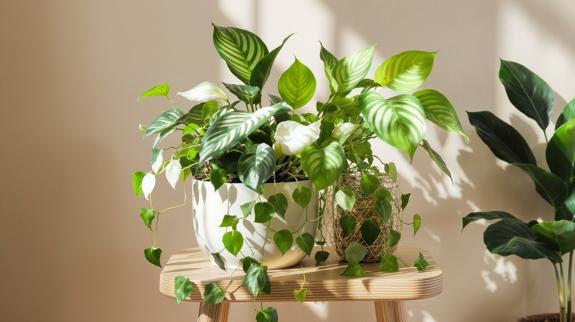
These classic Foliage Plants tolerate lower light but still deliver a big impact. Peace lilies even reward good care with creamy white blooms.
Spider Plant and Bird’s Nest Fern
Spider plants are resilient, while bird’s nest ferns add soft, wavy texture. They both love medium light and regular misting.
Big-Leaf Statement Plants
Big Leaf Plants are bold and dramatic. Even one can transform a small room into a lush escape.
Elephant Ear
Its huge, heart-shaped leaves look tropical and wild. Keep the soil moist and give it bright, indirect light.
Bird of Paradise
With broad leaves and elegant blooms, it’s the showstopper of indoor greenery. Mine sits near a south-facing window and grows like a dream.
Monstera Deliciosa
This one’s a must-have. Those iconic splits in its leaves make any small garden feel like a rainforest corner.
Philodendron and Gloriosum
Compact, leafy, and full of personality. I love these because they give that jungle vibe without taking up too much floor space.
Calathea Orbifolia
A bit more demanding but worth it. Keep it humid, moist, and out of direct light. It’s one of the Best foliage indoor plant options if you like luxurious texture.
Dieffenbachia (Tropic Snow)
Creamy, variegated leaves that brighten dark rooms. Just keep it out of reach from pets or kids; it’s mildly toxic.
Banana and Ruffled Fan Palm
Both add a tropical edge and love humidity. Perfect for a bright window where they can stretch upward.
Foliage indoor plant care
Light
Light changes everything. I ease plants into new spots instead of sudden moves. Pale leaves mean they need more light; burned tips mean it’s too much. It’s all about reading your plant’s signals.
Watering
I water thoroughly and let excess drain out. For moisture-lovers like ferns, I keep the soil lightly damp. For pothos and ZZ plants, I wait until the top inch is dry. Overwatering is worse than underwatering, trust me.
Humidity
Small spaces often mean dry air. I group plants so they create their own humid pocket. Pebble trays or a tiny humidifier can make a world of difference.
Plant propagation
Nothing beats growing new plants from cuttings. Tradescantia, pothos, and Swedish ivy root easily in water. It’s cheap, fun, and lets you expand your mini jungle for free.
Soil and Potting
Use a loose, well-draining mix. My go-to blend is peat moss, compost, and perlite. Always choose pots with drainage holes; standing water is a silent killer.
Feeding
I feed plants monthly in spring and summer with a mild liquid fertilizer. In fall and winter, I slow it down. That’s their rest season.
Pruning
I wipe leaves with a damp cloth to keep them breathing and looking glossy. For leggy stems, I snip them back to encourage bushier growth, especially in small-space displays.
Safety and Pet Toxicity
Some plants look stunning but are unsafe for curious pets or toddlers. Avoid Dieffenbachia, Philodendrons, or Alocasias if you’ve got furry friends around. Instead, choose safe ones like parlor palms, Calatheas, or banana plants. I always double-check before adding something new to my collection.
Troubleshooting and Diagnostics
Yellow leaves? You’re probably watering too much. Brown tips? The air’s too dry. I trim damaged parts and tweak my watering schedule until the new leaves look healthy.
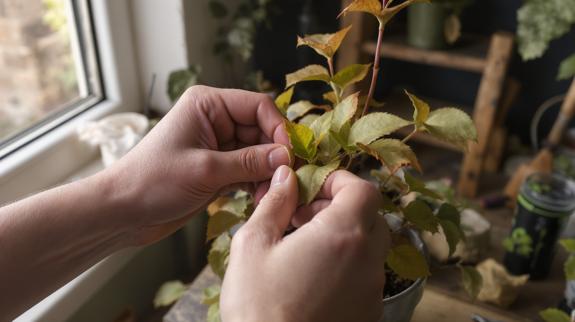
When a plant stretches toward the light, that’s your cue. Move it closer to a window and rotate weekly for balanced growth. It’s like a quick posture fix for plants.
Keep leaves clean and watch for sticky residue or webbing. If pests show up, I wipe leaves with soapy water and isolate the plant. Clean plants are healthy plants.
Summary
An easy way to bring life, color to your space, foliage plants are the best choice. They don’t just make your space beautiful but also purify your air. Choose the right plant by taking into account these basic needs, space, and the need for light. Choose a compact variety if your space is small.
If you are a beginner, choose a low-maintenance variety, which means they can tolerate low light and irregular watering. These varieties are pothos, philodendron, ZZ plants, and cast-iron plants.
Proper care includes providing them right light, watering them according to their needs means when the topsoil feels dry, and grouping multiple plants or using a pebble tray to maintain humidity.
In short, a foliage indoor plant, perfect for adding life, style, and a sense of tranquility to any space. They are versatile and rewarding, making them an ideal choice for both beginners and experienced plant lovers alike.
FAQs
Is foliage a good indoor plant?
Absolutely. Foliage Plants adapt beautifully to small indoor spaces and bring color, texture, and cleaner air into your home.
How do you take care of indoor foliage plants?
For proper Foliage indoor plant care, provide bright but indirect light, water when the topsoil feels dry, and maintain humidity. Simplicity works best.
Does foliage need a lot of sun?
Not usually. Most foliage indoor plant varieties prefer filtered light. Too much direct sun can burn their leaves.
What kind of plant is foliage?
Foliage refers to plants grown mainly for their leaves instead of flowers. From lush tropicals to delicate ferns, they’re the backbone of indoor greenery.
