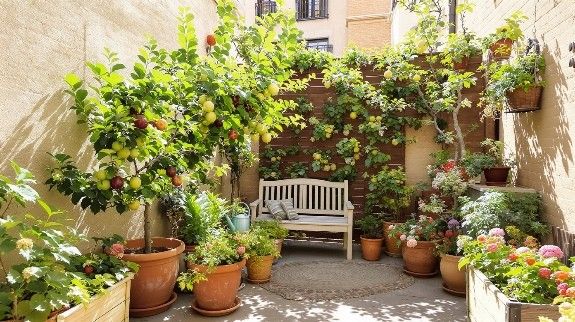
Discover how fruit planting can turn even the smallest balcony into a mini orchard bursting with flavor. Growing fruit at home is one of the most rewarding and enjoyable forms of gardening.
Many people dream of picking fresh apples, peaches, or cherries straight from their own trees, but you don’t need a big yard or orchard to make that happen. With the right knowledge, you can successfully grow delicious fruit even in small gardens, patios, or balconies.
Most fruit planting gardeners are surprised to learn that fruit trees grown from seed won’t turn out exactly like the parent fruit. For example, a seed from a Gala apple won’t grow another Gala apple tree. To grow a tree that produces the same kind of fruit you love, gardeners use grafting or budding.
Dwarf and semi-dwarf rootstocks are perfect for small gardens and containers, as they keep trees compact while still producing full-sized fruit.
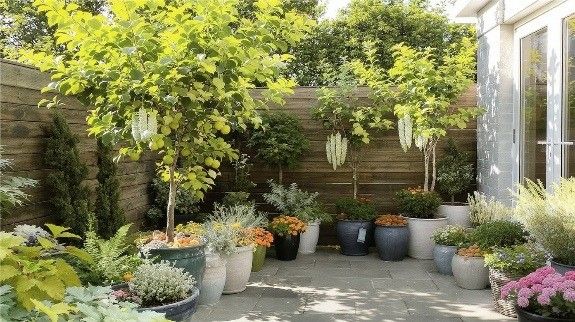
Today, fruit growing has become easier and more accessible thanks to new techniques and dwarf varieties. Fruit planting, like growing apples, figs, lemons, or berries in containers, raised beds, or vertical gardens for saving space, is ideal for urban homes or small backyards. With good soil, sunlight, and a bit of care, even your balcony can turn into a tiny orchard.
Decide What to Grow
Before buying your first fruit tree, think about what will actually thrive in your small garden or balcony and what you will enjoy eating.
Know Your Space
Start by observing your space. How much sunlight do you get? At least 6 hours is ideal. Are your windy spots or areas shaded by buildings or trees? Even in small yards, microclimates matter; a sunny wall can create warmth for citrus, while a shaded corner might suit berries.
Choose the Right Plant
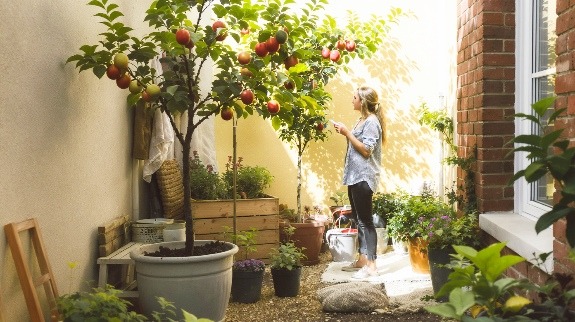
If your space is tight, go for dwarf or semi-dwarf fruit trees. These stay small, often under 8 feet, produce full-sized fruit, and can even live in pots or raised beds. You can grow these in a small space or on balconies.
- Dwarf apples, peaches, or pears in your containers
- Strawberries in your hanging baskets
- Blueberries or figs in your large pots
- You can train grapes or kiwifruit vertically on trellises
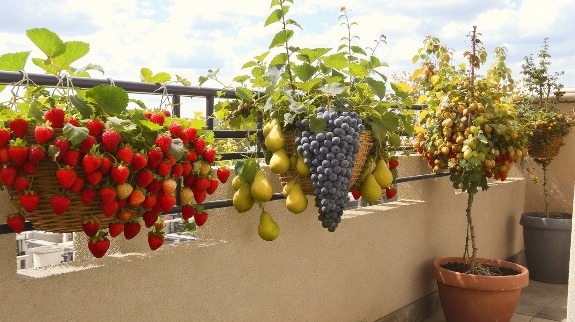
If you are new to fruit planting, start with low-maintenance crops that don’t need much pruning or spraying. Easy beginner fruits include:
- Strawberries
- Blueberries
- Figs
- Dwarf citrus
Match the Tree to Your Climate
Check out which hardiness zone you live in and how many chill hours your area gets. Some fruit trees need cold winters to produce fruit, while others prefer mild climates. Low-chill varieties like figs, citrus, and pomegranates do well in warm areas. High-chill fruits like apples or pears thrive where winters are cooler.
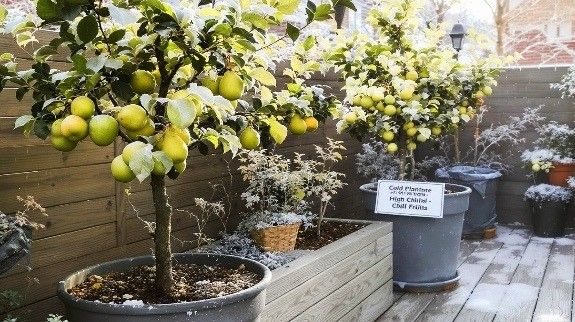
Location, Sunlight, and Shade
Sunlight is the main energy source for fruit planting and production. The more direct sunlight plants receive, the better their flowers, fruit size, and sweetness.
Before planting fruit in a small garden, balcony, or courtyard, take time to observe how sunlight moves through the space. Note which areas get full sun, partial sun, or shade during the day.
- Your sunny spot that gets 6–8 hours of light a day is perfect for most fruit trees and berries.
- Partial shade, 3 to 5 hours per day, is good for you to grow shade-tolerant fruits like currants, gooseberries, and cherries.
- Deep shade can still be used for foliage plants, climbers, or decorative fruiting vines.
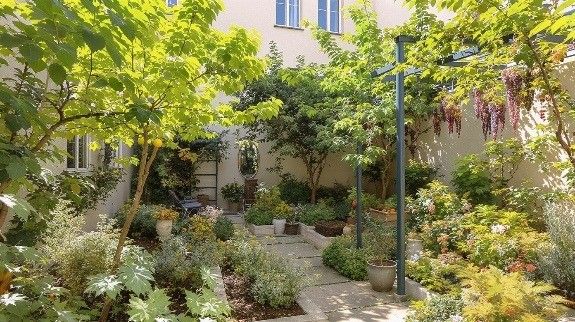
The important thing is how to reflect sunlight in your small garden. Paint your nearby walls with a light color or use mirrors and shiny materials to reflect sunlight on your plants.
Train your fruit plants to grow in trellises towards a sunnier spot. You can move your pots or raised beds seasonally to chase the sun.
Soil Composition and pH
Fruit trees are a rewarding addition to any garden, but their success starts beneath the surface. If you’re planning for fruit planting in your small garden, balcony, or even a few containers, the first thing to focus on is your soil, as soil structure matters as much as sunlight.
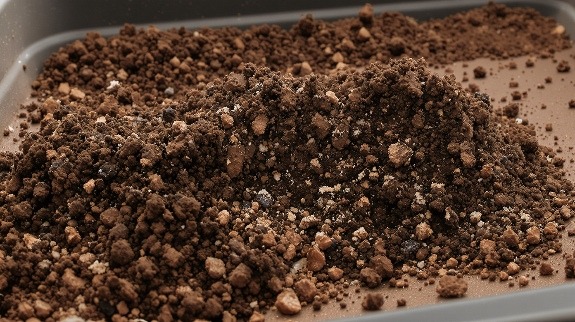
Fruit trees and bushes like soil that is well-draining, slightly loamy, and rich in organic matter.
- Most fruits prefer a slightly acidic to neutral soil around 6.0–7.0, and use the right balance for roots to absorb nutrients easily.
- Your soil should be a mix of good-textured sand, silt, and compost helps roots get both air and moisture.
- And if you are growing in containers or raised beds, don’t forget drainage. Always make sure there are holes at the bottom so your roots don’t sit in soggy soil.
A light, airy mix supports root growth even in shallow containers. Try this easy soil mix:
- 40% quality garden soil or loam
- 30% compost or organic matter
- 20% coarse sand or perlite
- 10% coco peat or leaf mold
This mix holds enough water for steady growth but drains fast enough to avoid rot, perfect for dwarf fruit trees, strawberries, and blueberries in pots or raised beds.
pH for common fruit planting
Different fruits like different types of soil, and the good news is, you can easily adjust them even in a small garden or container setup.
If you’re growing acid-loving fruits like blueberries, cranberries, or strawberries, try mixing in a bit of peat moss, pine needles, or garden sulfur. These help lower the pH and create the slightly acidic soil these fruits love.
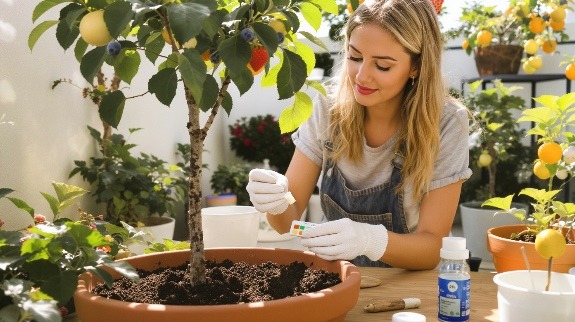
For neutral pH fruits such as figs, apples, or citrus, you can do the opposite. Add a small handful of garden lime or crushed eggshells to raise the pH if the soil feels too acidic.
You can grab a simple soil pH test kit; it’s inexpensive and super easy to use. Test your soil once in a while to make sure your plants are happy. It’s a small step that makes a big difference in how well your fruit plants grow, even in tiny spaces.
Hardiness and Minimum Chill Hours
When you’re choosing fruit plants, it’s important to think about two things: hardiness and minimum chill hours. Hardiness basically means how much cold a plant can handle.
Fruit planting in cold weather, like apples and cherries, is tough and can survive in freezing winters, while others, like mangoes or bananas, need warm weather all year round. You want to pick plants that match your local climate or hardiness zone.
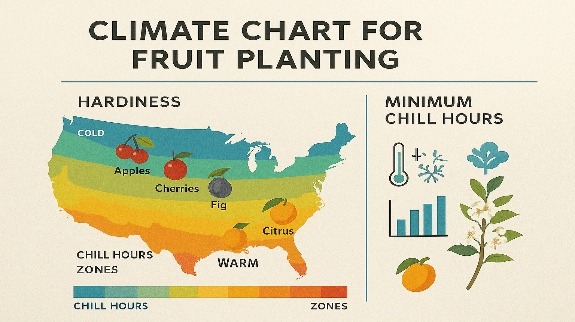
Chill hours are a bit different; they refer to how many hours of cool weather a fruit tree needs in winter to rest properly and then produce flowers and fruit in spring. If a tree doesn’t get enough chill hours, it might grow leaves but won’t bear much fruit.
Hardiness shows whether a plant can survive your winters, while chill hours decide if it’ll bear fruit later.
If you live in warm climates, fruit varieties like figs, pomegranates, citrus fruits (lemons, oranges, limes), peaches, and bananas thrive in warmer, sunnier areas.
If you live in cold climates, Apples, pears, cherries, plums, and apricots grow best in cooler regions where winters are long and frosty.
Summary
Fruit planting at home is rewarding and possible even in small spaces like balconies or patios. With modern grafting and dwarf varieties, you can enjoy apples, figs, lemons, or berries without needing a large yard.
Before fruit planting, decide which fruits you enjoy and what suits your local conditions. Choose dwarf or semi-dwarf trees for containers, and start with easy fruits like strawberries, blueberries, or figs.
Make sure your spot gets at least 6 hours of sunlight daily, and use light-colored walls or mirrors to reflect light into shaded areas that are perfect for fruit planting in shade. Fruit planting is best in well-draining, loamy soil rich in compost, with a pH between 6.0 and 7.0. Adjust soil acidity for different fruits, and always check drainage in pots.
Lastly, match your plants to your climate; cold areas suit apples and cherries, while warm regions are perfect for citrus, figs, and pomegranates.
FAQs
Which is the best method of fruit planting?
Grafting or budding works best; it helps you grow the exact fruit you love on a healthy, strong tree.
What is the easiest fruit to grow?
Strawberries, figs, and lemons are some of the easiest fruits to grow. They need little space and grow well in pots or small gardens.
What’s the best month to plant fruit trees?
The best time for fruit planting is late winter to early spring, around February to April, when the trees are still resting. This helps them establish strong roots before summer.
What is the best way to plant a fruit tree?
The best way for fruit planting is to dig a hole twice as wide as the root ball, loosen the soil, and mix in some organic compost for nutrients. Place the tree so the roots spread out naturally, then fill the hole back in and water deeply. Finish by adding a layer of mulch around the base to help keep the soil cool and moist.
