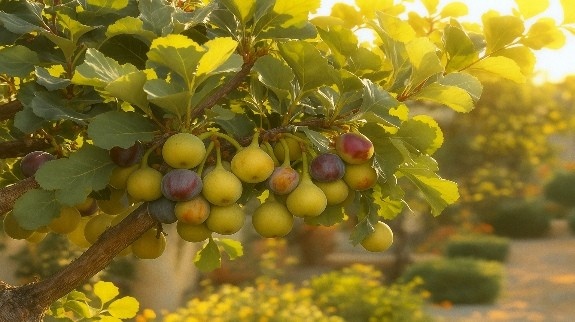
If you’ve ever imagined picking soft, honey-sweet figs straight from a sun-warmed tree in your own garden, you’re in for a treat. The fig tree is one of those plants that look exotic but are surprisingly easy to grow, even in small spaces.
When I first decided to try growing figs, I thought they needed a large orchard and constant sunshine. However, over time, I discovered that with the right variety, proper positioning, and a bit of care, these trees can thrive beautifully in even the smallest urban gardens, patios, or balconies.
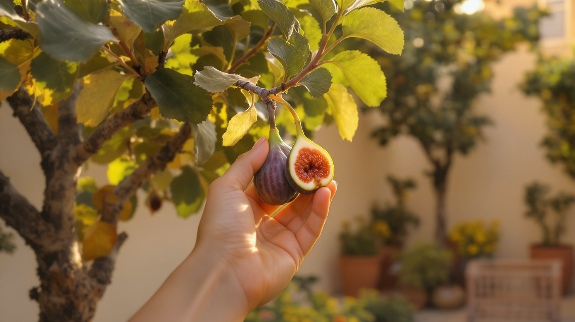
Let’s walk through everything you need to know, from the right zones and planting methods to caring, pruning, and solving common fig-growing challenges.
Zones and Climates That Can Successfully Grow Figs
Figs are native to the Mediterranean region, so they naturally love warmth, sunshine, and dry conditions. But that doesn’t mean you can’t grow them if your garden is in a cooler zone.
Most fig varieties do best in USDA Zones 7 to 11, though some hardy types can handle Zone 6 with protection. If you live somewhere with cold winters, don’t worry, growing figs in pots or against a sunny wall can make all the difference.
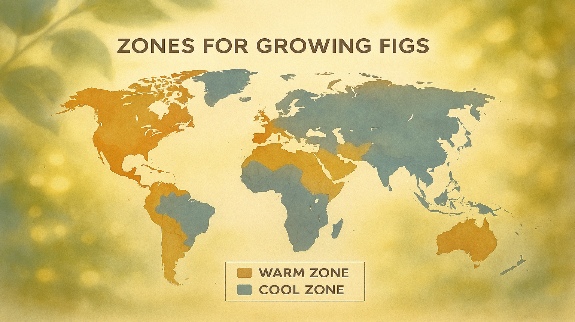
Warm climates (Zones 8–11): You can grow figs directly in the ground. They’ll fruit easily and often produce two crops, one in early summer and another in late summer or early autumn.
Cooler climates (Zones 6–7): Go for hardy varieties like ‘Brown Turkey’ or ‘Chicago Hardy’. Plant them in large containers or train them against a south-facing wall to soak up extra warmth and shield them from frost.
Indoor or greenhouse growing: If you have very cold winters, overwinter potted figs indoors or in a greenhouse. They’ll drop their leaves in winter and rest quietly until spring.
Tip: Figs hate being in soggy, cold soil. If your area gets a lot of rain, well-draining soil and a bit of shelter are your best friends.
Where to Plant
If you’re working with a small garden, try planting:
- Against a south-facing wall, it traps warmth and protects the tree from wind.
- In a large pot, perfect for patios and balconies. Pots also help control growth, since figs can get enthusiastic about spreading their roots.
- In a raised bed or sunny corner, where water drains freely.
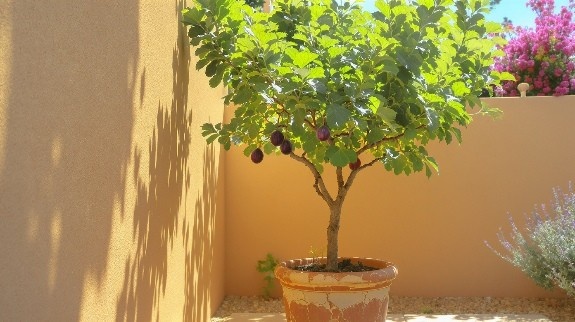
Figs are forgiving about soil type as long as it’s not heavy or waterlogged. A mix of garden soil, compost, and a bit of grit works beautifully.
When to Plant Fig Trees
The best time to plant figs is in early spring after the danger of frost has passed, or in autumn while the soil is still warm.
In cooler zones, I prefer planting in spring because young roots get a head start before winter arrives. If you’re using containers, you can technically plant any time, just make sure your tree isn’t exposed to frost in its first year.
How to Plant Fig Trees
Planting a fig tree is simple, but a few thoughtful steps will set you up for success.
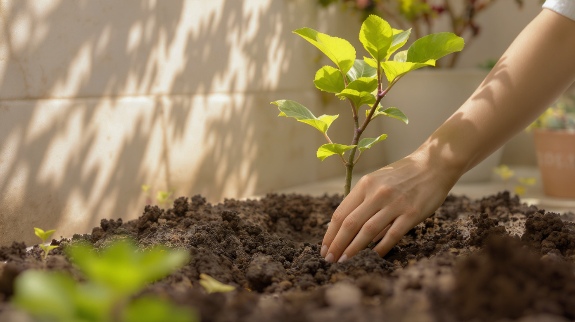
Prepare the spot or container.
Choose a pot at least 45–50cm wide with drainage holes. If planting in the ground, loosen the soil deeply and mix in compost or well-rotted manure.
Control the roots
Figs love to spread their roots, which can make them less productive. To encourage fruiting instead of root growth, restrict their roots slightly. You can line the planting hole with paving slabs or plant them in a large buried container.
Planting depth
Set your fig tree so that the top of the root ball is level with the soil surface. Backfill gently and firm the soil.
Repotting Fig Trees
Container figs need repotting every 2–3 years. Once roots start circling the pot, it’s time for an upgrade, or a root trim.

When repotting:
- Gently lift the plant and shake off old soil.
- Trim away about a quarter of the roots if it’s become root-bound.
- Refresh with fresh compost, firm gently, and water well.
If you’re tight on space, instead of upsizing, prune the roots and keep the same container; figs tolerate that happily.
Types of Figs
Not all figs are created equal, and picking the right type can make all the difference in small gardens.
Common Fig (Ficus carica)
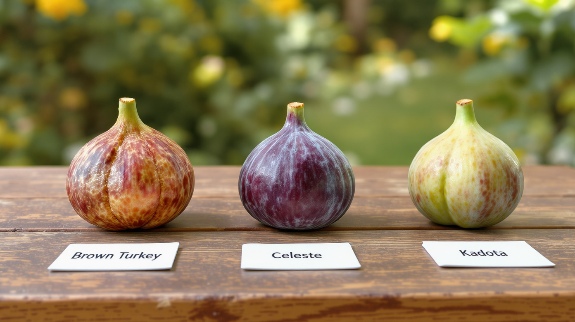
This is the classic edible fig most gardeners grow. It’s self-fertile, meaning you only need one plant. Common figs include many popular varieties:
- Brown Turkey, reliable and hardy, and ideal for cooler climates.
- Celeste is compact and perfect for pots.
- Kadota is a sweet, light-colored fruit, great for warm regions.
Native area: Mediterranean and Western Asia
USDA Zones: 7–11
Height: 2–3 meters or up to 5 meters in the ground
Sun exposure: Full sun
Creeping Fig (Ficus pumila)
More of an ornamental than a fruiting variety. It’s a beautiful wall or ground cover plant with tiny leaves that cling to surfaces.
Native area: East Asia
USDA Zones: 8–11
Height: Up to 3 meters
Sun exposure: Partial shade to bright light
Fiddle Leaf Fig (Ficus lyrata)
Best known as a houseplant rather than a fruiting tree. It’s prized for its large, sculptural leaves, great for adding a tropical touch to small spaces indoors.
Native area: Western Africa
USDA Zones: 9–11 and indoors in cooler zones
Height: 1.5–3 meters indoors
Sun exposure: Bright, indirect light
Fig Tree Care
Figs are low-maintenance once established, but a little attention keeps them thriving year after year.
Temperature and Humidity
Figs love warmth and can tolerate heat well. In cooler climates, protect them from frost, especially young trees.
If you’re growing in containers, move them into a greenhouse or garage for winter once leaves drop.
Fertilization and Feeding
Feed in spring and mid-summer with a balanced, slow-release fertilizer.
Avoid overfeeding with nitrogen, as it encourages leaves at the expense of fruit. A tomato feed or seaweed-based fertilizer works wonderfully.
Mulch
Add 5–10 cm of organic mulch around the base each spring. It keeps soil cool, conserves moisture, and discourages weeds. Just keep it away from the trunk to prevent rot.

Watering
Watering my patio fig is simple but key! In summer, I check the soil twice a week. If the top inch feels dry, I give it a deep drink until water drains out. In cooler months, I water less. Consistent moisture keeps compact figs like ‘Little Miss Figgy’ happy and thriving.
Pruning
- Prune figs in late winter or early spring before new growth starts.
- Remove dead or crossing branches and shorten long shoots to keep the tree compact.
- For small gardens, fan-training against a wall is a great way to save space and boost ripening.
Soil Preparation
- Figs like loamy, well-drained soil with a pH of 6.0–7.5.
- If your soil is heavy, improve drainage with sand and organic matter, or stick to containers where you can control the mix.
Pest and Disease Control
Figs are generally trouble-free, but keep an eye out for:
- Aphids and scale insects: Wipe them off or use organic soap spray
- Fungal leaf spots: Improve air circulation and avoid watering foliage.
- Birds: They love ripe figs; netting helps protect your crop.
When Do Fig Trees Bear Fruit?
Most fig trees begin producing fruit 3–5 years after planting. In warm regions, you might even get two crops: a small early crop on old wood and a main crop later in summer on new growth.
In cooler zones, expect one main crop around August to September. Figs are ready when they soften and droop slightly, the skin may crack, and they’ll feel heavy with sweetness.
Harvesting Figs
Pick figs gently as soon as they’re soft; they don’t ripen once picked. Eat them fresh, or dry them in the sun for a delicious, chewy snack.

If birds or wasps are a problem, harvest daily when ripe. In containers, a single well-tended fig can produce a surprisingly generous crop.
Training and Pruning Fig Trees
Training figs is one of the best tricks for small gardens.
You can fan-train your fig along a wall or fence by tying new shoots outward. This method:
- Saves space
- Maximises sunlight
- Encourages earlier ripening
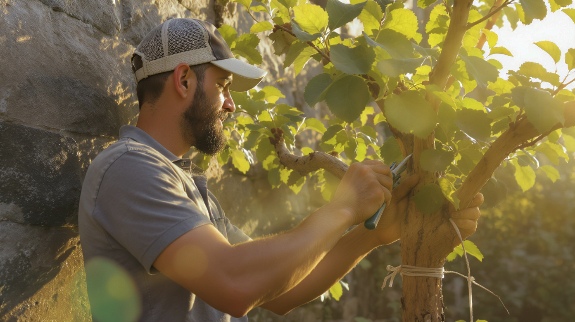
Prune after the main harvest, removing dead or overcrowded branches. Keep the shape open so air and light reach the center.
For potted figs, a light trim each year keeps them tidy and fruitful.
Growing Figs: Problem Solving
Even healthy figs can face a few hiccups. Here’s what I’ve learned to look out for:
- Leaves yellowing or dropping early: Usually overwatering or poor drainage. Let the soil dry slightly between waterings.
- No fruit: Young trees need maturity, but too much nitrogen or pruning can also reduce fruiting.
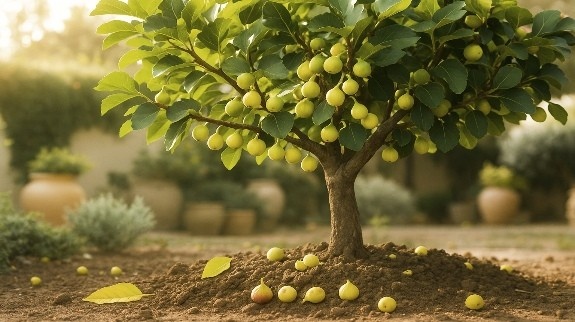
- Fruit dropping early: Irregular watering during hot spells can cause this. Keep moisture consistent.
- Small figs that don’t ripen: Not enough sunlight. Move potted trees to the sunniest spot possible.
- Frost damage: Protect branches with fleece or move containers indoors during harsh winters.
Summary
Growing figs in small gardens is easier and more rewarding than most people think.
The key is warmth, sunlight, and controlled roots. Whether you’re planting in a pot, training against a sunny wall, or nurturing a tiny tree in your backyard, figs adapt beautifully to compact spaces.
Choose the right variety for your climate, feed and water with care, prune regularly, and you’ll be rewarded with lush leaves, fragrant blossoms, and deliciously sweet fruit each summer.
And the best part? A fig tree brings a little Mediterranean magic right to your doorstep, proof that even the smallest garden can offer a taste of paradise.
FAQs
What is special about the fig tree?
Fig trees are special because they thrive beautifully in small gardens and even containers, offering lush leaves, sweet home-grown fruit, and a touch of Mediterranean charm all from a compact, easy-to-manage plant.
Where do fig trees grow best?
They grow best in sunny, sheltered spots with well-drained soil, ideally against a south-facing wall or in a large pot where their roots are slightly contained for better fruiting.
How do you take care of a fig tree?
Give your fig plenty of sunshine, water regularly in warm months, feed lightly in spring, and annually to keep it. This makes it compact, perfect for thriving in small spaces or patios.
How do you take care of a fig tree?
Give your fig plenty of sun, water it when the top of the soil feels dry, and add compost or mulch in the spring. Prune each year lightly to keep it compact and healthy, ideal for thriving in small gardens or containers.
