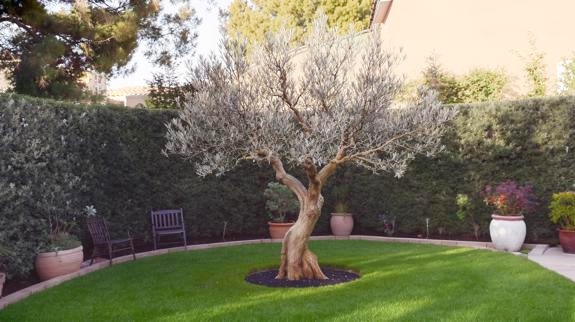
If you have ever dreamed of having your own little piece of the Mediterranean right at home, olive trees can make that dream a reality. The first time I saw an olive tree in a friend’s courtyard, I was fascinated, those silvery-green leaves, that timeless shape, and the promise of glossy fruit.
Since then, I have learned that olive trees aren’t just symbols of peace and endurance; they’re also surprisingly easy to grow, even if your space is small.
When I brought my first olive tree home, I wasn’t sure if it would thrive in my compact garden. But with the right variety, a sunny corner, and a little care, it became one of the most graceful, low-maintenance plants I have ever grown.
Whether you are growing for fruit or just the beauty, here’s everything I have learned about getting started with olive trees in small gardens.
Olive Tree Varieties
Choosing an olive tree variety is the first and most exciting step. I remember standing in the nursery, surrounded by tags with names I barely knew: Arbequina, Koroneiki, Frantoio, and Manzanilla. What I have discovered since is that every olive variety has its own personality.
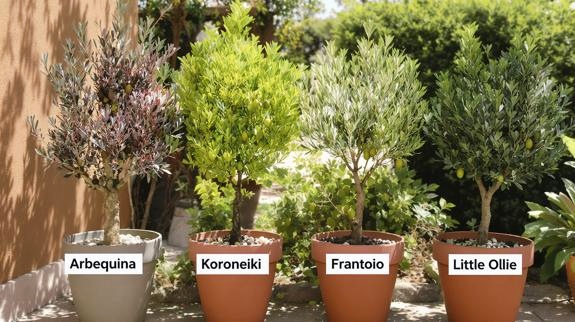
For small gardens or pots, compact varieties are best. Arbequina is my favorite; it’s small, hardy, and fruits early, often within three to four years. Its olives are smooth and mild, perfect for fresh oil or curing. Koroneiki stays compact too and gives rich, flavorful oil, while Frantoio offers a more traditional, ornamental look with a light harvest in smaller spaces.
If you are mainly growing for the look rather than fruit, Little Ollie, a non-fruiting type, makes a beautiful evergreen centerpiece. It’s tidy, slow-growing, and stays happy in containers or borders. I grow mine near the patio; it’s a living sculpture that barely asks for attention.
Grow Olive Trees
Growing olive trees isn’t complicated, but they do like consistency. The first rule I learned: olives love the sun, at least six hours a day, the more the better. When I first planted mine, I made the mistake of putting it near a shaded fence. The tree survived, but the leaves weren’t as silvery, and growth slowed.
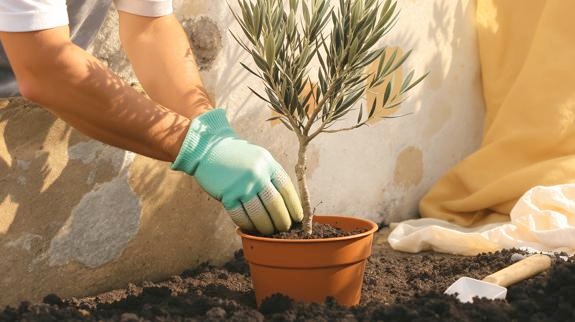
Once I moved it to a sunnier corner, it completely transformed, with strong branches, brighter leaves, and eventually, small clusters of blossoms.
In small gardens, I often suggest planting olive trees in large terracotta or stone pots. The containers not only keep their roots under control but also make it easier to move them during extreme weather. Plus, they look charming. The secret is choosing a pot that’s at least 40–50 cm wide with drainage holes.
When to Plant Olive Trees
Timing matters more than many realize. I have had the best results planting in spring, once the risk of frost has passed and the soil starts to warm up. You can plant in autumn in warmer climates, but young trees prefer a gentle start. If you live somewhere with cold winters, spring gives them time to establish before the chill returns.
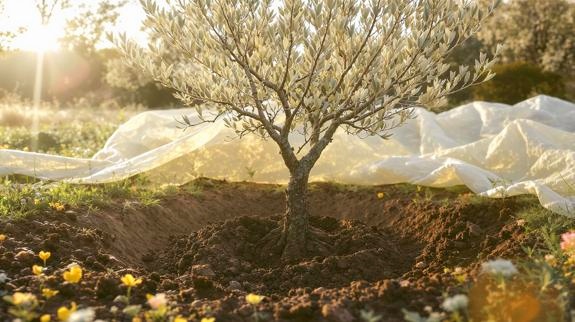
I remember planting one too early in March one year, a sudden frost hit, and I had to cover it quickly with a garden fleece. Thankfully, it bounced back, but that taught me to wait until the nights are mild.
Where to Plant Olive Trees
Choosing the right spot can make all the difference. I have learned that olive trees are happiest in full sun and sheltered corners. They don’t mind heat, but they dislike cold wind. My best-performing tree grows beside a south-facing wall, which reflects warmth and protects it from harsh breezes.
If you are working with a balcony or courtyard, use large pots and make sure they get direct sunlight most of the day. A spot near a warm wall mimics the Mediterranean microclimate they love.
How to Plant Olive Trees
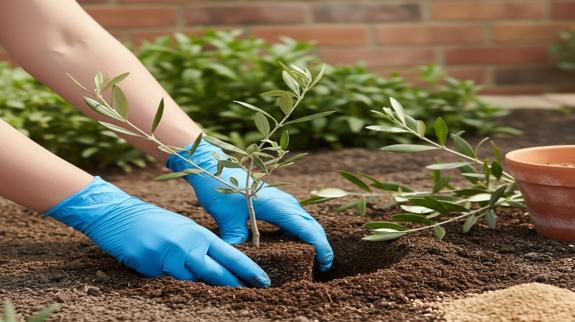
When planting in the ground, dig a hole about twice as wide as the root ball and just as deep. I always loosen the roots a little before placing the tree, then mix compost into the backfill soil. Olives prefer slightly alkaline to neutral soil pH 6.5–8, so if your soil is acidic, you can add a bit of garden lime.

For pots, I use a mix of loam-based compost, perlite, and a little grit for drainage. Once planted, water thoroughly and finish with a layer of mulch to help keep moisture in. Don’t overdo it, though; olive roots like to breathe.
Pollination
One of the pleasant surprises I discovered is that many olive tree varieties are self-fertile, which means you can grow just one and still get fruit. Arbequina and Frantoio are both good examples. That said, having a second variety nearby often improves pollination and yield.
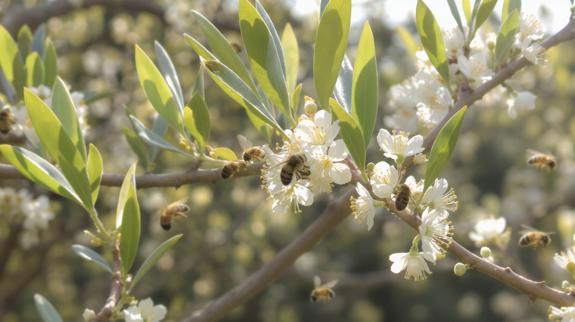
In my small garden, I keep two compact olive trees side by side. When the breeze moves through their blossoms in spring, it’s enough to help cross-pollinate. If your tree is indoors or in a still corner, a gentle shake of the branches during bloom can help mimic the wind’s work.
Olive Tree Care
Caring for olive trees is easier than most fruit trees, but they do appreciate a few simple routines. I treat mine like sun-loving friends: minimal fuss, but they do like consistency.
Watering
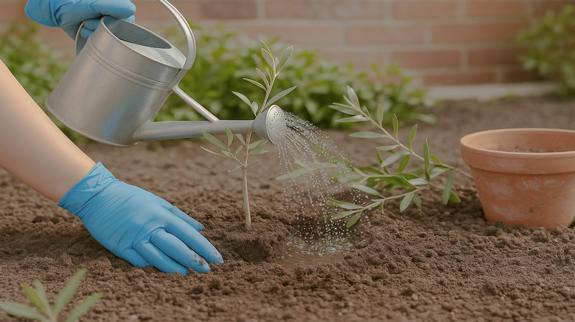
When I first started, I overwatered, a big mistake. Olive trees prefer dry roots between drinks. Now, I water only when the top few centimeters of soil are dry, usually once every week in summer, less in winter. Potted olives dry faster, so check them more often during hot spells. If the leaves start curling slightly, that’s the tree telling you it’s thirsty.
Soil
Good drainage is non-negotiable. I learned this the hard way when I planted one in heavy clay, the roots stayed damp, and the leaves turned yellow. I fixed it by adding gravel and compost to loosen things up. In containers, a mix with sand or perlite helps keep things airy and healthy.
Amendments and Fertilizer
Olives don’t need heavy feeding, but I give mine a balanced liquid fertilizer in early spring and midsummer. Sometimes, I add a small sprinkle of wood ash for potassium, which encourages fruiting. Avoid nitrogen-heavy feeds; they make too much leafy growth and fewer olives.

Once a year, I refresh the top few inches of pot soil with compost, which keeps nutrients steady and soil texture healthy.
Olive Trees Outdoors
Even in a small garden, olive trees create a sense of calm and timeless beauty. Outdoors, they handle heat like champions. Mine have survived 40°C days with little fuss, as long as they’re watered deeply once or twice a week.
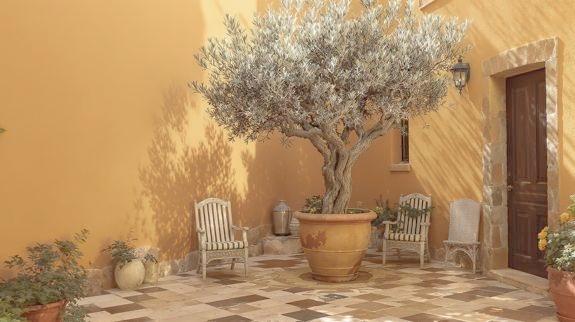
What’s magical is how they catch sunlight; those narrow leaves reflect it softly, giving your garden a silver glow. Whether standing alone in a pot or framing an entryway, they bring structure and elegance without crowding the space.
During winter, I protect mine from frost by wrapping the pot in burlap and covering the canopy with fleece on the coldest nights. It’s simple, but it works, and each spring, new buds appear without fail.
Olive Trees Indoors
I once decided to keep a young olive tree inside through winter, and it did surprisingly well near a large sunny window. Indoors, they need at least six hours of bright light, preferably from the south or west.

The air inside homes can get dry, especially in heated rooms, so I mist the leaves occasionally and keep them away from direct radiators. Water sparingly, as indoor soil stays damp longer.
I treat indoor olive trees more like decorative companions; they may not fruit much inside, but their graceful shape and calming color add life to any room.
Common Problems With Olive Trees in Pots
Potted olive trees are hardy, but they do show signs when unhappy. I have had three main issues over the years:
- Yellow leaves, usually from overwatering or poor drainage. Fix by letting the soil dry out and improving aeration.
- Leaf drop in winter, normal if temperatures dip; just move the pot somewhere sheltered.
- No flowers or fruit, sometimes young trees need a couple of seasons to mature. Or they might need more sun, at least 6–8 hours a day helps trigger blooming.
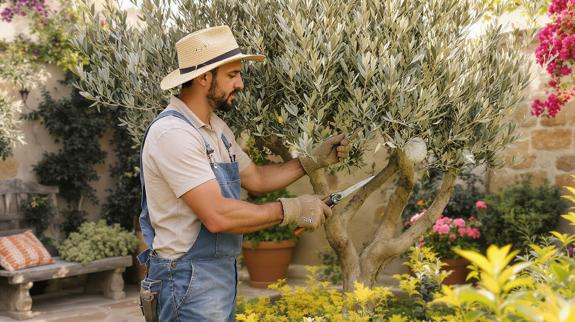
Regular pruning keeps them tidy and encourages new growth. I lightly trim in late spring, removing dead twigs and shaping the canopy so light reaches the inner branches.
Summary
Every time I walk past my olive trees, I feel like I have brought a piece of the Mediterranean home. They’ve taught me patience and simplicity, two things every gardener needs. Whether you are planting one in the ground, keeping it in a pot, or even growing it indoors, olive trees add elegance and character wherever they grow.
If you have been thinking of trying one, don’t wait. Find a sunny spot, pick a compact variety, and start small. You will be surprised how quickly that little tree becomes the heart of your garden, graceful, strong, and evergreen.
FAQs
What is special about an olive tree?
For me, it’s the combination of resilience and beauty. Olive trees can live for centuries, yet they’re content in small pots or courtyards. They symbolize peace, endurance, and abundance, and seeing those silvery leaves shimmer in the sunlight never gets old.
Can olive trees grow in Pakistan?
Yes, they can. Many regions in Pakistan, especially Punjab, Balochistan, and Khyber Pakhtunkhwa, have ideal conditions for olives. They love warm, dry summers and mild winters. In small gardens, choose a compact variety and protect it from frost during the coldest months.
Where do olive trees grow best?
They thrive in sunny, well-drained spots with mild winters and hot summers, just like the Mediterranean. In cooler regions, placing them against a south-facing wall or growing them in containers helps them flourish.
Is it hard to grow an olive tree?
Not at all. Olive trees are among the most forgiving plants I have grown. Give them sunlight, good drainage, and patience, and they reward you with graceful growth and, eventually, fruit. Their low-maintenance nature makes them perfect for beginners and small-space gardeners alike.
