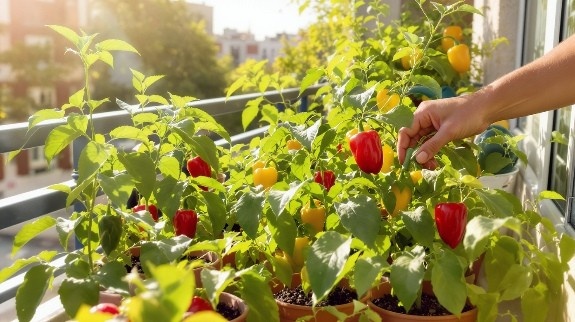
If you’ve ever dreamed of picking your own fresh pepper bell right from a tiny garden or balcony, you’re in the right place. Bell peppers are one of the most colorful, rewarding, and surprisingly simple vegetables to grow, even if you only have a few pots and a patch of sunlight.
Whether you call them sweet peppers, red pepper bells, or just plain pepper bell plants, they’re packed with nutrients, easy to care for, and perfect for small spaces.
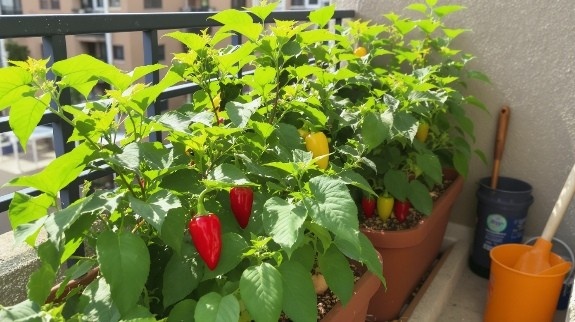
So, let’s talk about how you can grow bell peppers in small gardens or containers and enjoy big harvests, even in limited space.
Growing Bell Peppers
Bell peppers are part of the Capsicum family, known for their mild flavor, crisp texture, and bright colors, ranging from green to red, yellow, and even purple. They’re rich in vitamin C, antioxidants, and fiber, making them one of the healthiest vegetables you can grow at home.
If you live in an apartment or have just a balcony, you can still grow bell peppers successfully. The trick lies in maximizing small spaces and giving your pepper bell plant just what it needs to thrive. Compact varieties, proper light, and container-friendly setups are all part of the secret.
You don’t need acres of land, just some care, a little planning, and a desire to see those beautiful, sweet peppers turn from green to brilliant shades of red or yellow right outside your window.
Bell Pepper Growth Stages
Before you dive in, it’s important to understand the bell pepper growth stages. Like all plants, bell peppers have a life cycle, from a tiny seed to a full, fruit-bearing plant.
It all begins with seed germination, which typically takes 7–14 days under warm, moist conditions. Once the seeds sprout, the seedling stage begins. This is when your little green plants start developing their first true leaves.
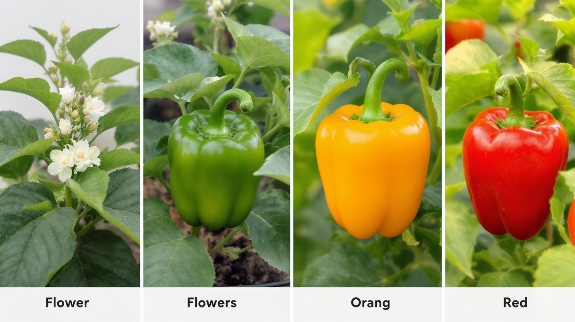
Next comes the vegetative stage, where the plant focuses on growing strong stems and lush foliage. Then, as conditions improve, it enters the flowering stage. Tiny white flowers appear, signaling that fruiting is on the way. Pollination, often with the help of wind or insects, leads to small green fruits that gradually mature and change color.
This pepper plant growth timeline usually spans 90 to 120 days from seed to harvest, depending on the variety. Watching your bell pepper grow from sprout to vibrant fruit is one of the most satisfying parts of small gardening.
When to Plant Peppers
The timing for planting peppers is crucial. Bell peppers love warmth, so it’s best to start when the danger of frost has completely passed. Ideally, your outdoor temperatures should stay consistently above 20°C.
If you’re in a cooler region, start seeds indoors 8 to 10 weeks before the last expected frost date, and move them outside once the soil warms up. In tropical or subtropical regions, you can plant almost year-round, but avoid periods of heavy rain.
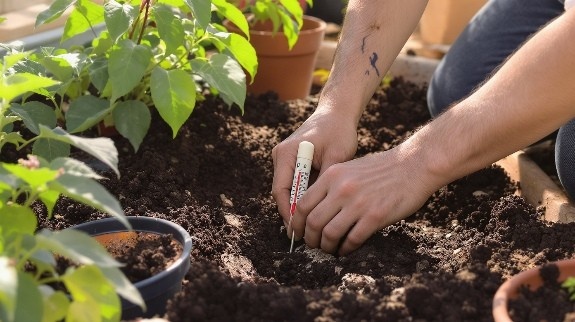
Because we’re talking worldwide, the general rule is simple: Plant bell peppers when the nights are mild and the soil feels warm to the touch. Peppers are sensitive to cold, so planting them too early can stunt growth. In hot climates, provide afternoon shade to prevent the soil from overheating.
How to Start Peppers Indoors
Starting bell peppers from seed is easy and gives you more control over the growing process. Begin with quality seeds and plant them about a quarter-inch deep in small pots or seed trays filled with light, well-draining soil.
Keep the trays in a warm spot, around 25–30°C, because pepper seeds need heat to sprout. A sunny windowsill or a small grow light setup works perfectly. Keep the soil evenly moist but not soggy.
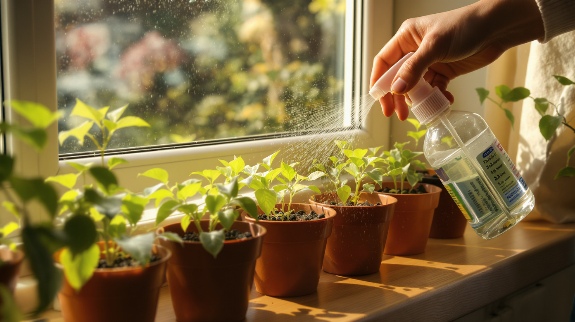
Once your seedlings are a few inches tall and have several true leaves, start hardening them off, which means gradually exposing them to outdoor conditions for a few hours each day. This helps them adjust before you plant peppers outside.
Remember, patience is key here. Starting indoors gives your pepper bell plant a head start, especially in cooler climates.
How to Plant Peppers Outdoors
Once your seedlings are strong enough, it’s time to plant bell peppers outdoors. Choose a sunny spot that gets at least 6 to 8 hours of sunlight daily. If you’re gardening in small spaces, pick a container that’s at least 12 inches deep; deep roots are essential for strong plants.
Use rich, well-draining soil with compost or organic fertilizer mixed in. Space your plants about 18 inches apart, or one per pot if you’re using containers.
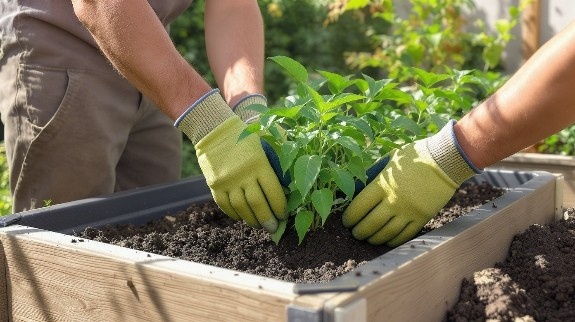
Water regularly, but avoid waterlogging. Peppers prefer soil that’s consistently moist, not drenched. In small gardens, vertical supports or trellises can save space and help the plants grow upright.
If you live in a windy area, place your containers near a wall or railing for protection. Your red pepper bell plants will thank you with healthier stems and bigger fruits.
Types of Bell Peppers
There are many exciting varieties of bell peppers, and choosing the right ones for small gardens makes a huge difference. The best bell pepper varieties for small gardens are compact, early-maturing, and productive.
Some favorites include Mini Bell Mix, Lunchbox Peppers, California Wonder, and Red Beauty. These varieties thrive in containers and still give abundant harvests.
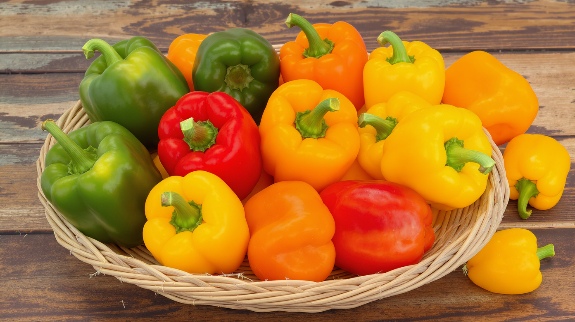
Green peppers are simply unripe versions of red or yellow ones, so if you prefer sweeter flavors, let your fruits ripen longer. Red and yellow varieties, like Red Pepper Bell or Golden Bell, tend to be sweeter and richer in nutrients.
Experiment with a few different types; each one brings its own color and flavor to your small garden harvest.
Care for Pepper Bell
Hey there, garden lover. If you’ve ever dreamed of growing pepper bell plants right on your balcony or tiny patio, you’re in for a treat. Caring for these vibrant veggies isn’t hard; it’s all about giving your pepper bell plant just what it needs to thrive in small spaces.
Start by choosing sweet peppers or compact varieties that do well in containers. When you plant bell peppers, make sure your container is at least 12 inches deep so the roots have room to stretch. Use nutrient-rich soil, and remember, peppers love warmth. Keep your plant peppers in a sunny spot where they get at least 6–8 hours of light each day.
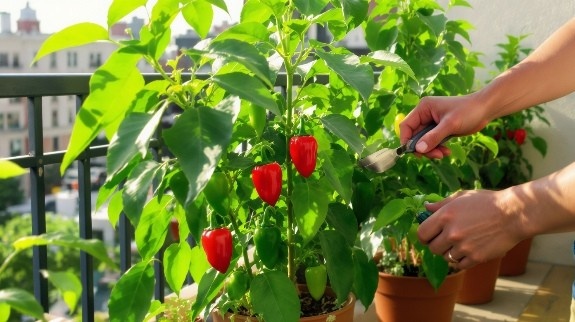
Water consistently, but don’t drown them; soggy roots are the enemy of bell pepper growth. Instead, aim for evenly moist soil. Feed your pepper bell plant every two weeks with a balanced fertilizer to encourage those shiny green fruits that eventually turn into juicy red pepper bell beauties.
Finally, keep an eye out for pests, prune lower leaves for airflow, and give your plants gentle support as they grow. With a little attention and love, you’ll grow bell peppers that burst with color, flavor, and pride, right from your small garden.
Propagation
If you fall in love with growing bell peppers, you can easily propagate them. Saving seeds from ripe fruits is one of the simplest ways.
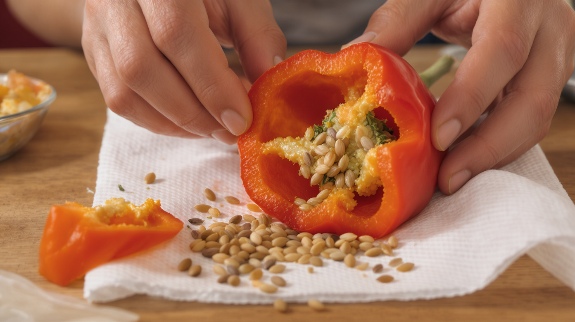
Just remove the seeds from a mature pepper, dry them completely, and store them in a cool, dry place until next season. You can also grow new pepper bell plants from nursery seedlings or even from cuttings in warm, humid conditions.
This helps you create a self-sustaining garden, especially valuable for small-space gardeners who want to reuse what they grow.
Common Pests and Diseases
Every gardener faces a few challenges, and pepper bell plants are no different. Some of the most common bell pepper pests and diseases include aphids, spider mites, and whiteflies. These tiny insects can weaken your plants by sucking sap from the leaves.
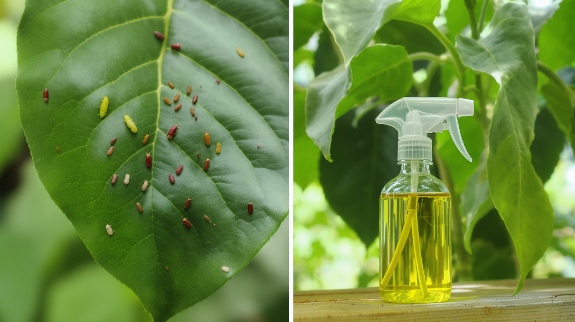
To fight them naturally, try spraying neem oil or a mild soap-water solution. For fungal issues like powdery mildew, ensure proper airflow around your plants and avoid overhead watering.
A major issue many growers face is blossom end rot, caused by inconsistent watering or calcium deficiency. Keep soil moisture steady and add crushed eggshells or organic calcium supplements to prevent it.
Organic pest control for peppers keeps your garden healthy and chemical-free, ensuring your sweet peppers stay safe to eat.
Harvesting Bell Peppers
After all your care and patience, it’s finally time to harvest. But when to harvest bell peppers depends on your preference.
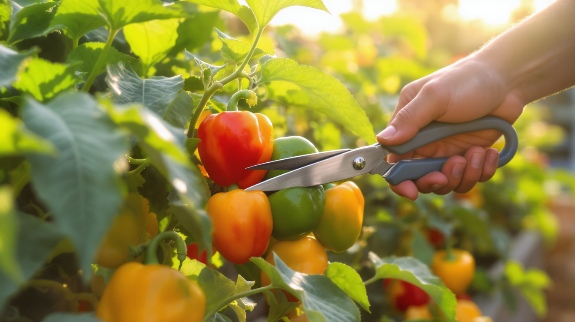
If you like the crisp, slightly bitter flavor, pick them while green. For sweeter, fully ripe peppers, wait until they turn red, yellow, or orange. The longer you leave them, the richer the color and flavor.
Use scissors or garden shears to cut the fruit rather than pulling; it helps prevent damage to the plant.
Summary
Growing pepper bell in small gardens or containers isn’t just possible, it’s incredibly rewarding. The key is to understand your plant’s needs: warmth, sunlight, regular watering, and nutrient-rich soil.
Remember to choose compact varieties, prune regularly, and provide support as the fruits develop. Whether you’re growing on a balcony, a patio, or even a kitchen window, your plant bell peppers can thrive with a little creativity and attention.
You don’t need a huge garden to get big results. With the right approach, your small-space setup can become a mini pepper paradise bursting with color, flavor, and satisfaction.
FAQs
Is pepper bell healthy?
Yes, pepper bell is very healthy. It’s rich in vitamin C, antioxidants, and fiber, which help boost your immune system and keep your skin glowing.
What is a bell pepper called in Indian?
In India, bell pepper is known as Capsicum or Shimla Mirch. It’s a popular ingredient in curries, stir-fries, and snacks.
What is bell pepper used for?
Bell peppers are used in salads, stuffed dishes, stir-fries, and grilled recipes. Their sweet, mild flavor adds color and crunch to any meal.
What is a bell pepper?
A bell pepper is a sweet, non-spicy fruit from the Capsicum annuum plant family. It comes in green, red, yellow, and orange varieties.
